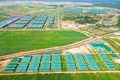
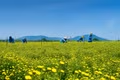
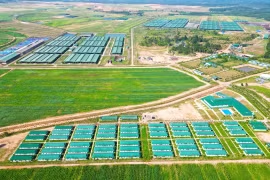
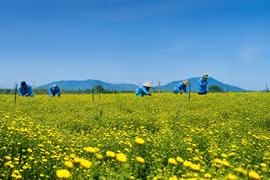
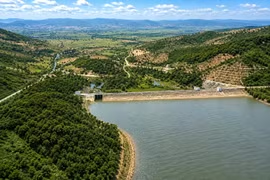
According to the provincial Department of Agriculture and Environment, nearly 80,000 hectares of crops are expected to meet good-practice and organic standards such as VietGAP, GlobalGAP, 4C, Organic, and Rainforest Alliance by the end of 2025. Another 89,000 hectares have been equipped with advanced, water-saving irrigation systems, reducing erosion and lowering production costs.
The province has also expanded integrated pest management, encouraging farmers to increase biological methods and cut chemical pesticide use. By 2025, no vegetable samples exceeded pesticide residue limits, reflecting the positive impact of new cultivation practices.
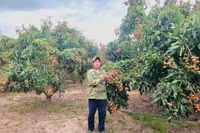
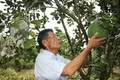
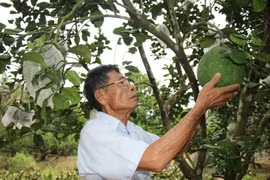
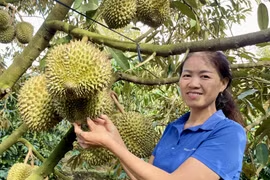
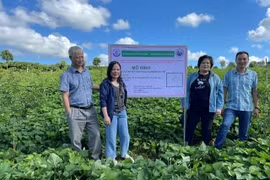
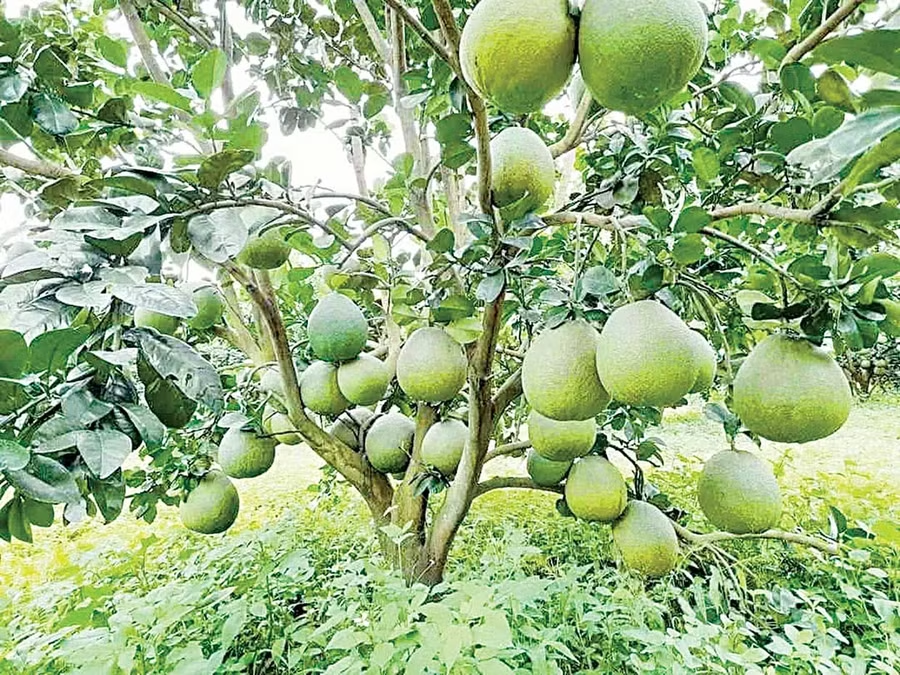
In Phú Túc commune, farmer Nguyễn Văn Kiểm has adopted VietGAP and organic-oriented methods on more than 3 hectares of green pomelo. He applies organic fertilizers and biological pesticides, using chemical inputs only when necessary.
“Initial costs are higher, but it’s safer, the trees are healthier, and the results are more stable,” he said. His orchard yields 35–40 tons per hectare across three annual harvests, generating profits of 1–1.5 billion VND (about USD 39,500–59,300) a year after expenses.
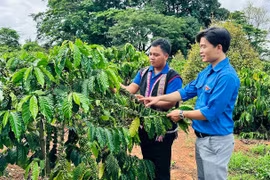
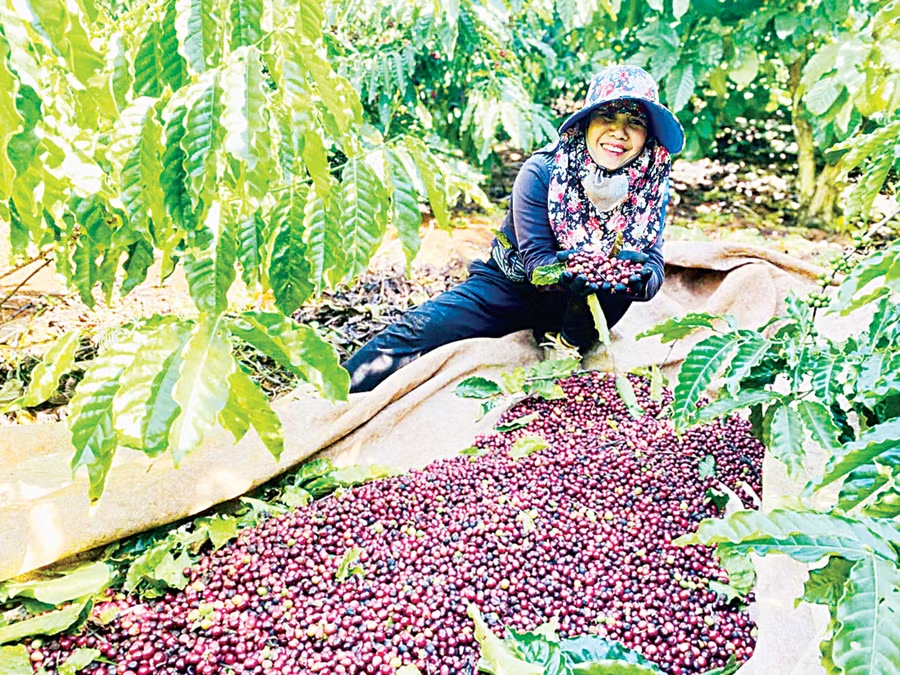
Coffee growers are also embracing organic practices. In Ia Phí commune, farmer Nguyễn Văn Thiện has spent over a decade producing his own organic fertilizer from fish protein, soybeans, and agricultural by-products combined with indigenous microorganisms. His organic-leaning process improves soil structure and maintains yields of 20–25 tons of fresh cherries per hectare.
Ia Phí commune authorities actively promote reduced chemical use and encourage farmers to adopt VietGAP and organic cultivation. Chairman Nguyễn Công Sơn said several models have demonstrated clear economic and environmental benefits, helping farmers transition confidently.
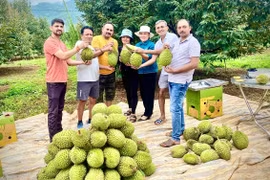
Green cultivation is expanding further through stable production–consumption partnerships. The province now has about 251,000 hectares under linkage models that reduce market risks and increase product value.
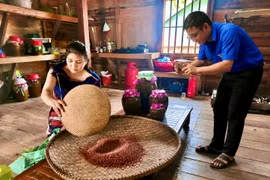
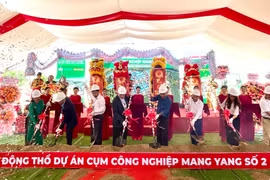
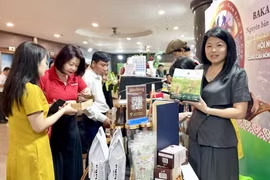
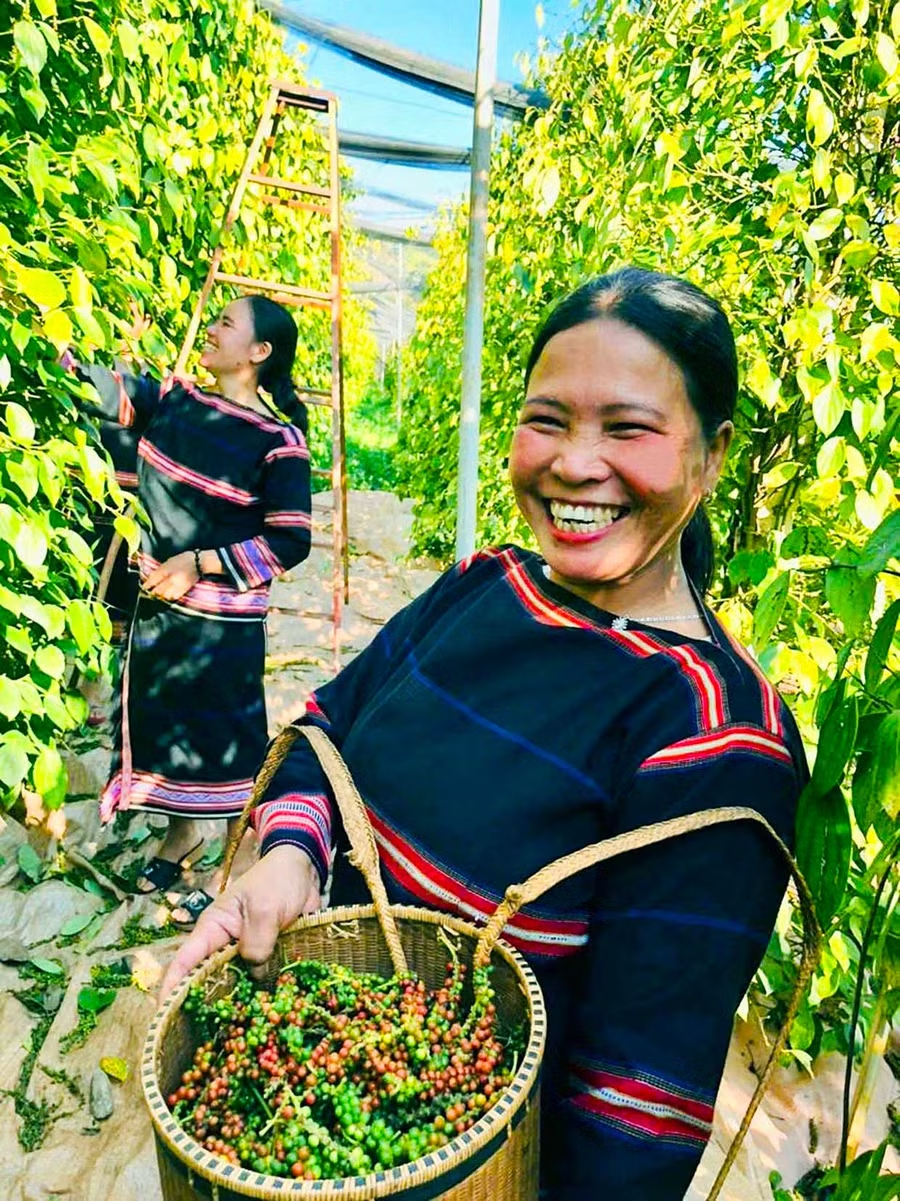
The Nam Yang Agricultural and Service Cooperative in Kon Gang commune stands out as a leading example. Founded in 2017 with 100 members, the cooperative manages over 200 hectares, including more than 30 hectares certified organic by US and European standards. By June 2025, it had five products recognized as national 5-star OCOP items, including Fine Robusta coffee, Đak Yang coffee, and Lệ Chí organic pepper.
Chairman Nguyễn Tấn Công said natural farming without chemicals preserves original flavors and meets rising domestic and international demand. Its 5-star OCOP status has broadened distribution and attracted foreign interest.
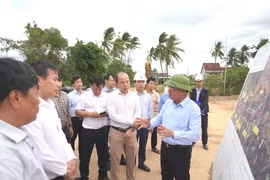
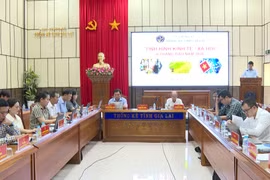
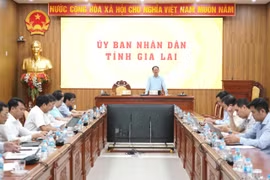
Deputy Director Đoàn Ngọc Có said green agriculture is a core orientation in the province’s restructuring strategy, focusing on sustainability, traceability, and compliance with domestic and export market standards. For the coffee sector alone, Gia Lai aims for 80% of its area to meet sustainable criteria by 2030, including Europe’s anti-deforestation (EUDR) requirements.
The province is also promoting value-chain linkages under Decree No. 98/2018/NĐ-CP, emphasizing green and circular agriculture and the use of by-products to boost economic value and reduce environmental impact.
“In the coming time, the sector will continue advising on policies to support standards-based production, expand value-chain partnerships, and strengthen training and technology transfer so farmers can confidently shift their cultivation methods,” he said.