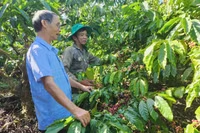
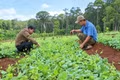
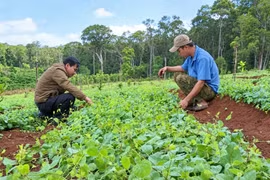
Siu Sắt, 34, from Mrông Yố 1 village, began shifting his two-hectare coffee garden to organic farming in 2019 after years of chemical overuse left local soil exhausted and yields declining. The transition, initially labour-intensive and slow to show results, restored soil fertility, strengthened coffee trees, and improved bean quality while cutting input costs.
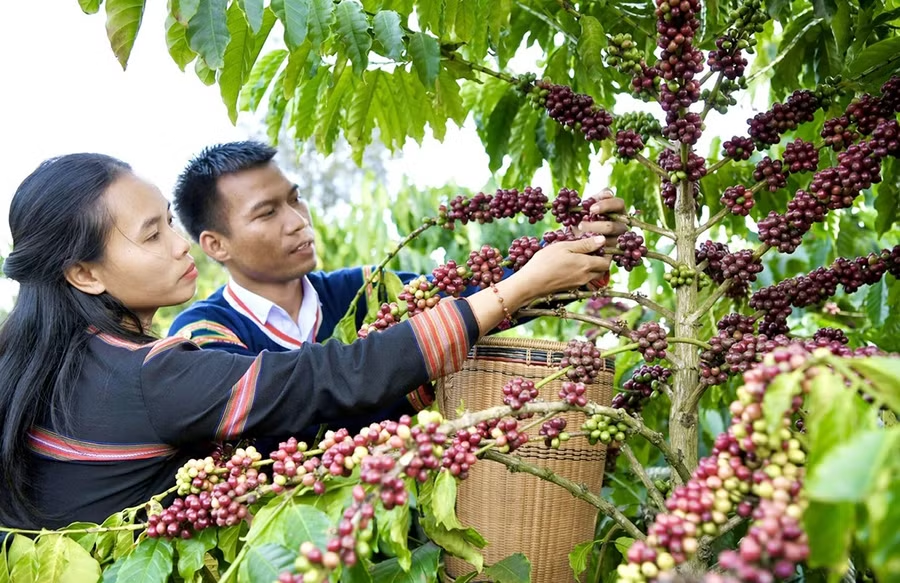
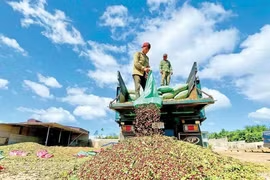
The model has since expanded to more than 40 Jrai families cultivating about 50 hectares under organic standards with registered planting codes and full traceability. Farmers say the method reduces chemical dependence and can command prices about 10 percent above the market.
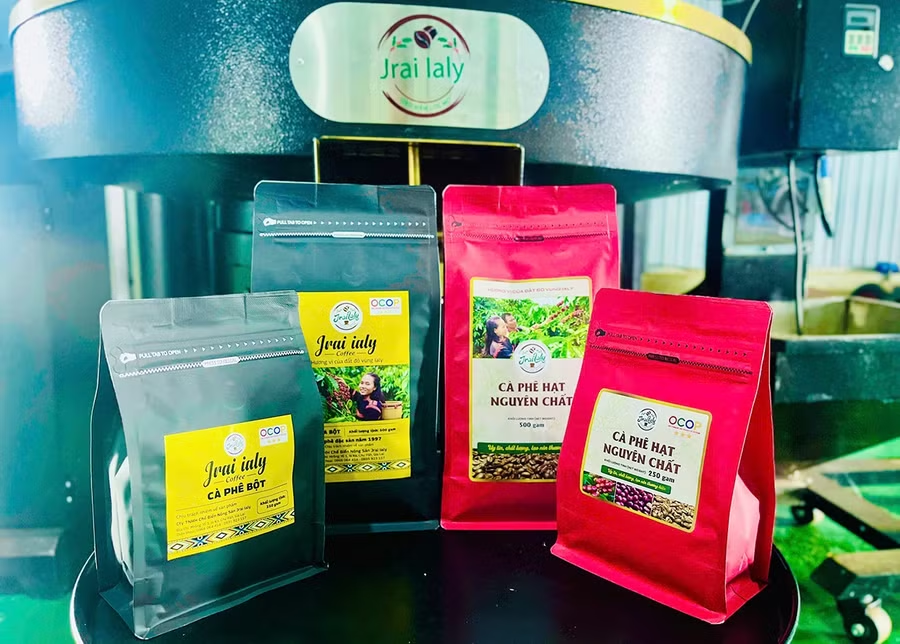
To enhance product value, Sắt and his wife established Jrai Ia Ly Agricultural Processing Co. Ltd. in May 2024, marking a shift from household-scale operations to a formal business.
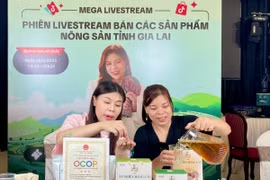
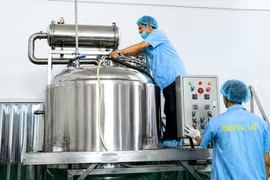
The family invested around 4 billion VND (about 163,000 USD) in a processing facility equipped with modern roasting and grinding systems. Their whole-bean and ground coffee lines soon earned OCOP 3-star certification and have been distributed across Vietnam, with samples introduced to Europe, Australia and the Americas. The chain expects to sell nearly 50 tonnes in 2025.
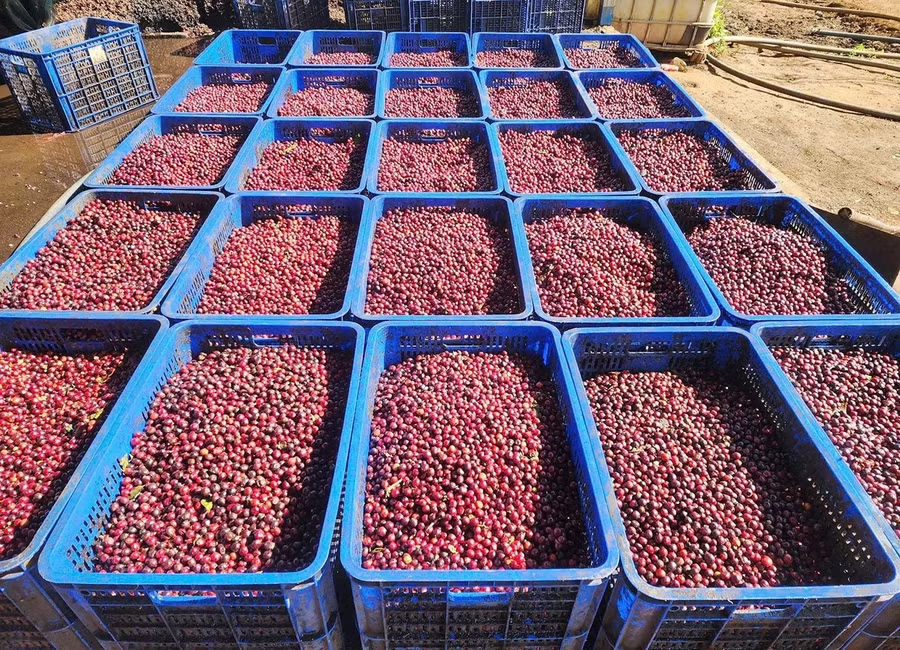
Local officials say the initiative demonstrates how clean agriculture can revitalise highland communities. According to Ia Phí commune’s Economic Office, Sắt has set an example by sharing knowledge and helping build a connected production region.
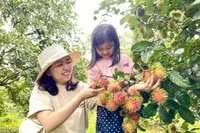
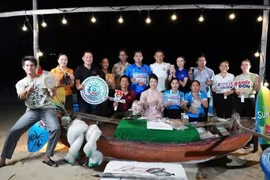
The organic movement has also opened a pathway for agrotourism. Sắt and colleagues formed the western Gia Lai Agricultural - Service and Community Tourism Cooperative to link farming with visitor experiences. Tourists can pick, dry, roast and taste coffee on site, and take part in cultural activities including brocade weaving, traditional meals and daily village life.

Visitors describe the model as distinctive for combining hands-on production with the stories and heritage of the Jrai people. Community leaders say tourism can strengthen cultural preservation if managed locally, allowing families to remain in their villages, maintain coffee gardens and host guests while safeguarding customs such as gong performances and life around communal water wells.

Ia Phí authorities plan to establish a community tourism village to further integrate organic agriculture with cultural experiences. Commune leaders say the long-term goal is sustainable development that keeps economic gains aligned with protecting Jrai identity.

From revitalised soil to cultural tourism, Ia Phí is charting a new course in which coffee serves as both an economic driver and a means of preserving highland traditions.