Nguyên began raising civets in 2010 following a visit to Đắk Lắk, where he saw the economic potential of civet coffee. He purchased several breeding pairs to test the model. Today, his farm houses more than 300 civets, all certified by authorities.
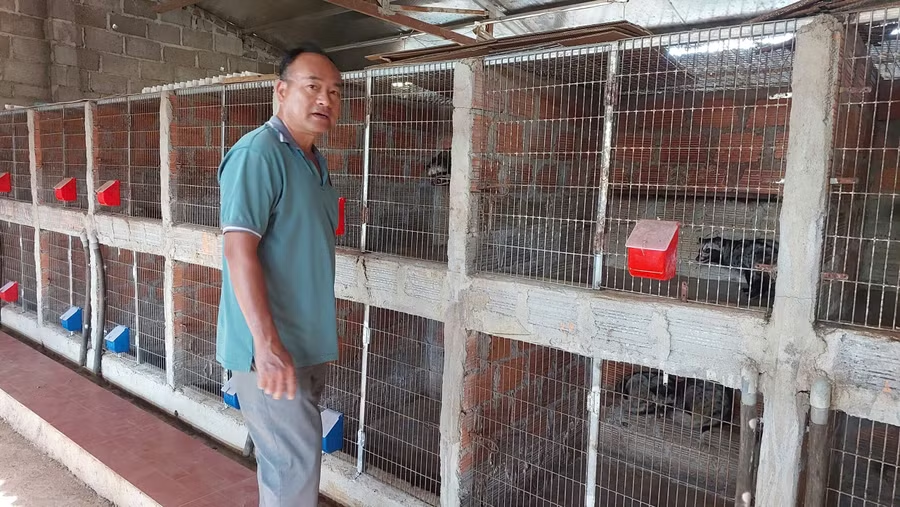
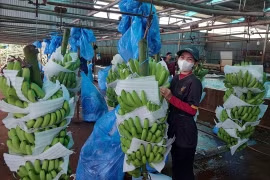
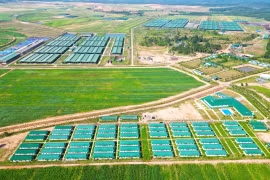
The facility is built with a system of square enclosures, each holding one to three civets. Nguyên says the animals are nocturnal and require only one feeding a day, with Pleiku’s climate and abundant local bananas helping reduce costs.
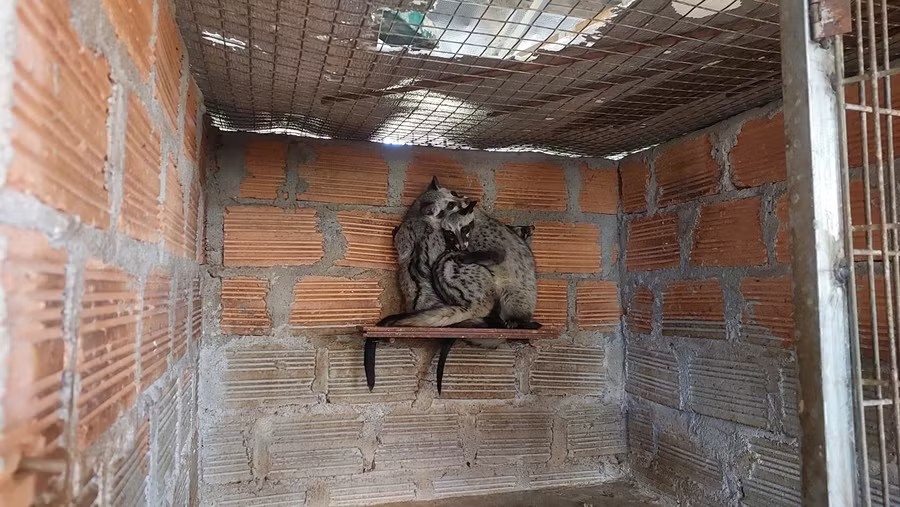
To avoid disease outbreaks, he invests over VND 100 million (approx. USD 4,000) annually in American-made vaccines.
The farm sells around 200 commercial civets each year at VND 1.4–1.6 million (USD 56–64) per kilogram, while also supplying breeding stock across and beyond the province.
Alongside civet sales, Nguyên is Pleiku’s first producer of civet coffee. During harvest season, he hand-selects 10–15 kilograms of ripe cherries daily and feeds them to the animals.
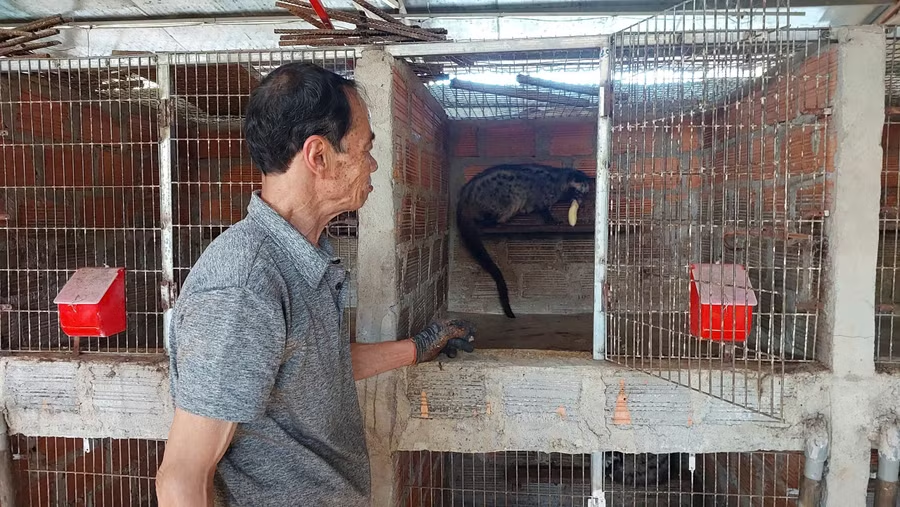
Only 60–70 percent of civets consume the cherries, requiring close monitoring. The farm’s concrete flooring allows for easier bean collection.
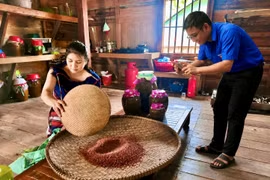
Each morning, Nguyên collects the beans, removes husks, washes them, ferments them for two to three hours, then dries and stores them. He says every step must be done manually and with precision to maintain quality.
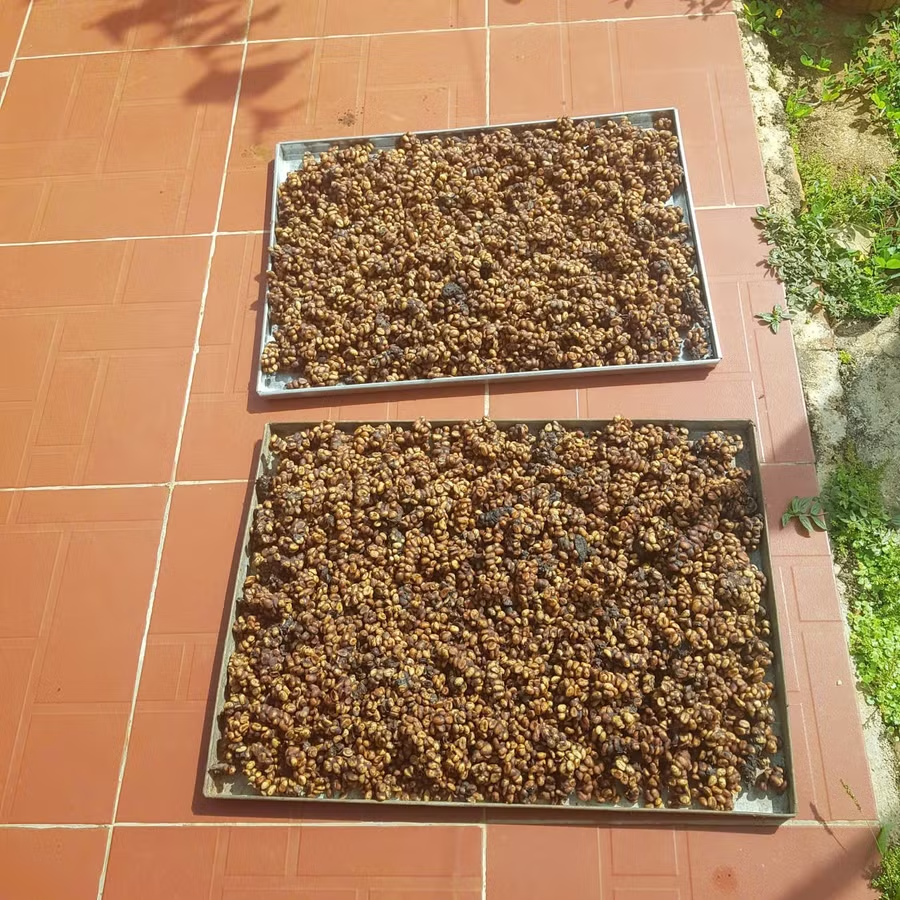
Photo: N.D
Each season, the farm yields 300–400 kilograms of civet coffee, sold mainly to existing customers.
Prices range from VND 2–2.5 million (USD 80–100) per kilogram, far higher than regular coffee.
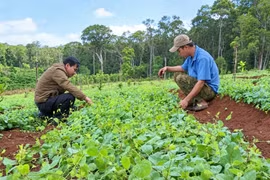
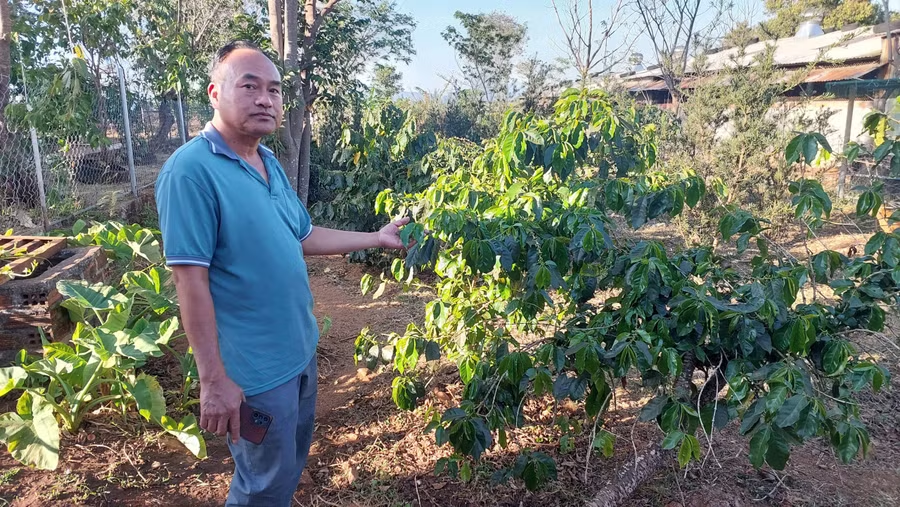
To stabilize supply, he has also planted Moka Cau Dat coffee from Lâm Đồng in his own garden.
Despite the high value of civet coffee, Nguyên says sales remain slow, with most income still coming from breeding and commercial civet sales.
He plans to develop a closed-loop model—from breeding to processing and distribution—to create a more sustainable future for his civet coffee brand.