With more than 300 exporting enterprises reaching approximately 120 countries and territories, Gia Lai is seeking to strengthen its logistics infrastructure, improve shipping connections and expand pre-export services to make local goods more competitive in international markets.
The province's logistics bottlenecks are particularly evident in warehousing, preservation, packaging and transportation.
These services are essential to maintaining product quality, ensuring timely deliveries and controlling export costs, yet remain insufficiently connected to local production areas and seaports.
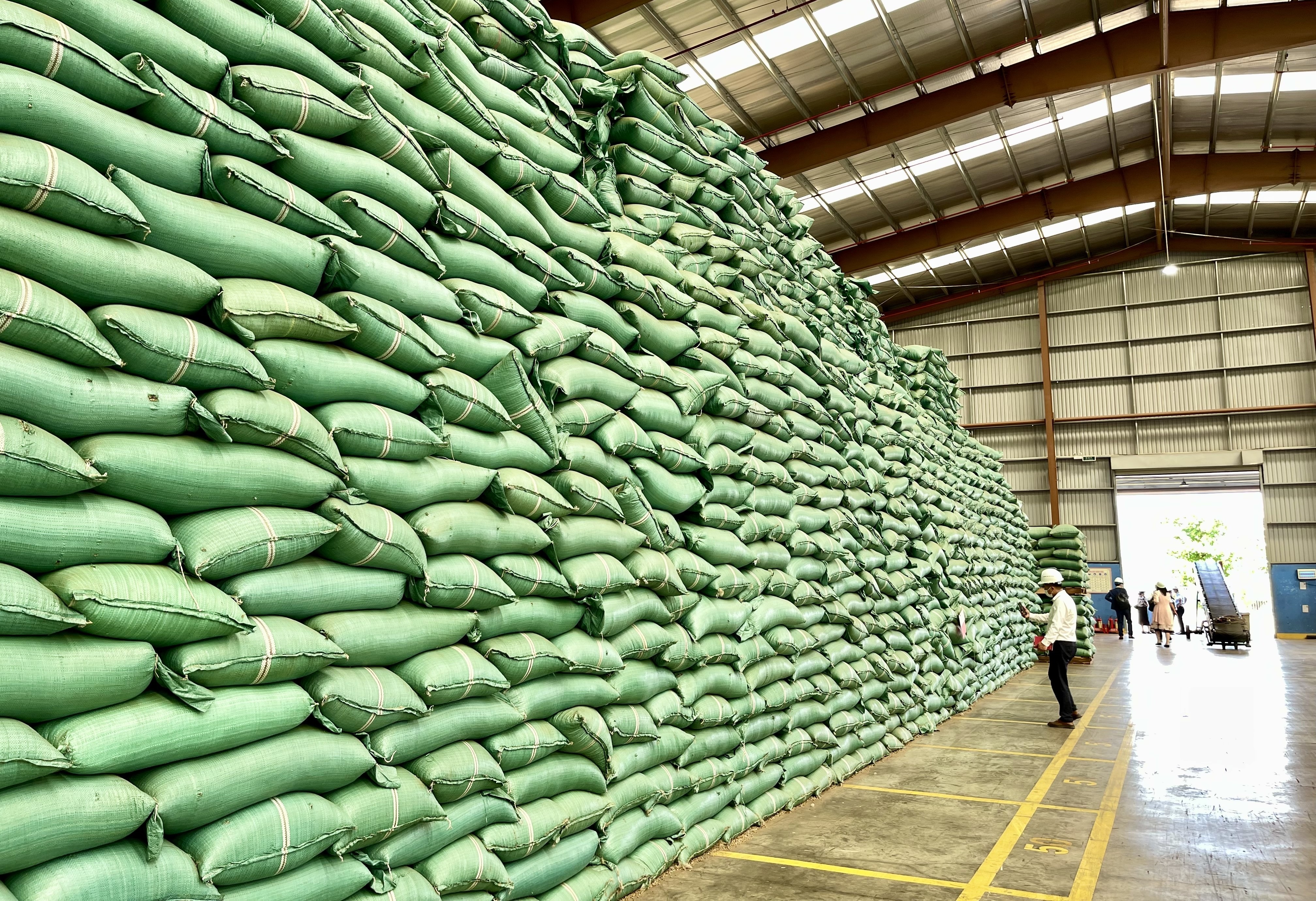
Hung Thom Gia Lai Agricultural and Service Cooperative, based in Hra commune, is among the province's leading agricultural exporters, with products shipped to markets including China, France, Russia and Switzerland. However, most of its shipments still have to be transported to Cai Mep or Cat Lai ports in Ho Chi Minh City.
Đỗ Thị Mỹ Thơm, the cooperative's director, said transportation costs for a shipment to either port had risen from approximately VND 26–28 million (US$1,040–1,120) to VND 30–32 million (US$1,200–1,280) since the beginning of 2026, placing additional pressure on the cooperative's pricing and competitiveness.
Similar difficulties affect Mai Tin Binh Dinh Co., Ltd., based in Quy Nhon Dong ward. The company processes and exports seafood to Japan and Europe, markets that require strict preservation standards and timely deliveries.
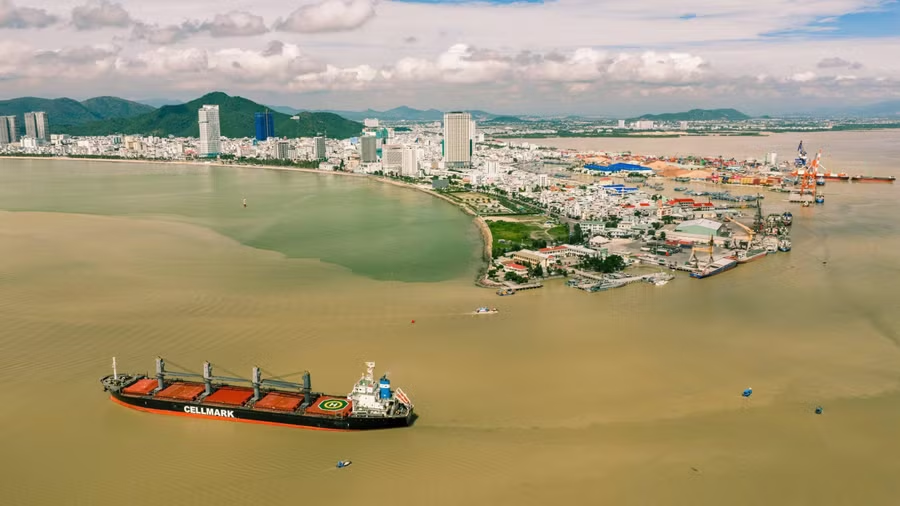
Despite operating near Quy Nhon Port, the company still has to transport containers to Ho Chi Minh City or Da Nang to access suitable international shipping routes, adding transportation costs and handling procedures.
Đặng Thị Phương, the company's business manager, said direct shipping routes from Quy Nhon to international markets would help reduce transportation expenses.
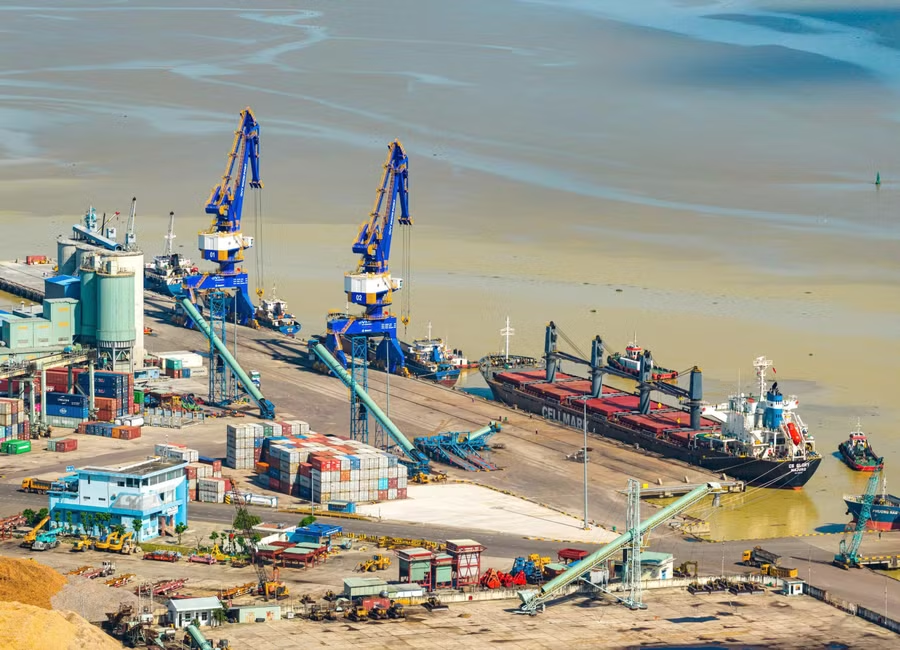
These cases highlight that having a seaport nearby does not automatically translate into efficient export operations. Businesses also need suitable shipping routes, warehouses and services for cargo consolidation, preservation, packaging and handling.
With more than 300 exporters and shipments reaching around 120 countries and territories, Gia Lai has growing demand for logistics infrastructure. This also creates opportunities to attract investment in logistics centres linking production areas with seaports.
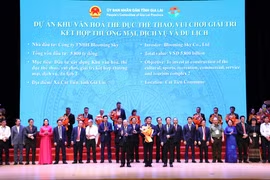
One development aimed at addressing this demand is the Quy Phuoc Logistics Service Center in Tuy Phuoc commune.
According to the investor, the project covers 8.5 hectares, including nearly 40,000 square metres of warehouse space and approximately 20,000 square metres of yard area.
Located along the new National Highway 19, the centre is designed to receive and consolidate goods from the Central Highlands before arranging transportation to seaports.
Huỳnh Ngọc Quý, chairman of the Members' Council of Quy Phuoc Trading Co., Ltd., said the facility's location, about 14 km from Quy Nhon Port and directly connected to the Central Highlands via National Highway 19, offered favourable conditions for handling import-export cargo.
Beyond warehousing, infrastructure projects such as the Quy Nhon–Pleiku expressway and Phu My Port are expected to increase freight capacity and strengthen connections between the Central Highlands and the eastern seaport system.
Improved connectivity would enable Gia Lai to serve local exporters more effectively while attracting cargo from neighbouring provinces, supporting the province's ambition to become a regional trade and logistics hub.
To advance this goal, the province is prioritising infrastructure investment, improving the business environment and encouraging the development of logistics services and supply chain partnerships.
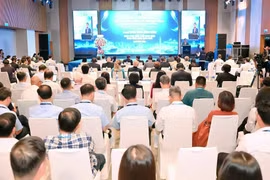
Speaking at the Vietnam Logistics Forum 2026 in Quy Nhon ward on November 7, Provincial Party Secretary Thái Đại Ngọc said Gia Lai aimed not only to expand markets for its products but also to become a centre for goods, services and supply chains connecting the Central Highlands and South Central Coast with regional and global markets.
The province has pledged to continue improving its investment environment, accelerating administrative reforms and addressing business difficulties, while facilitating investment in logistics projects in accordance with approved plans and legal regulations.