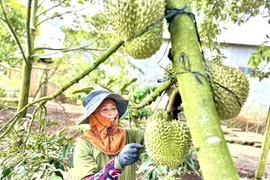
Exports to Europe exceeded $1.18 billion during the period. Coffee and passion fruit are among the province’s key agricultural exports, with increasingly stringent requirements placing greater emphasis on controls from the growing stage through to processing and shipment.
Under its 2026 plan for food safety controls on plant-based agricultural exports to the European Union, Gia Lai will monitor 40 samples, 20 each of coffee and passion fruit, representing more than 10 concentrated production areas.
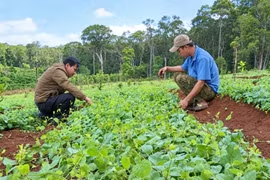
Priority will be given to areas supplying the EU, concentrated growing regions, and farms with planting area codes, traceability systems or links to preliminary processing, packaging and processing facilities.
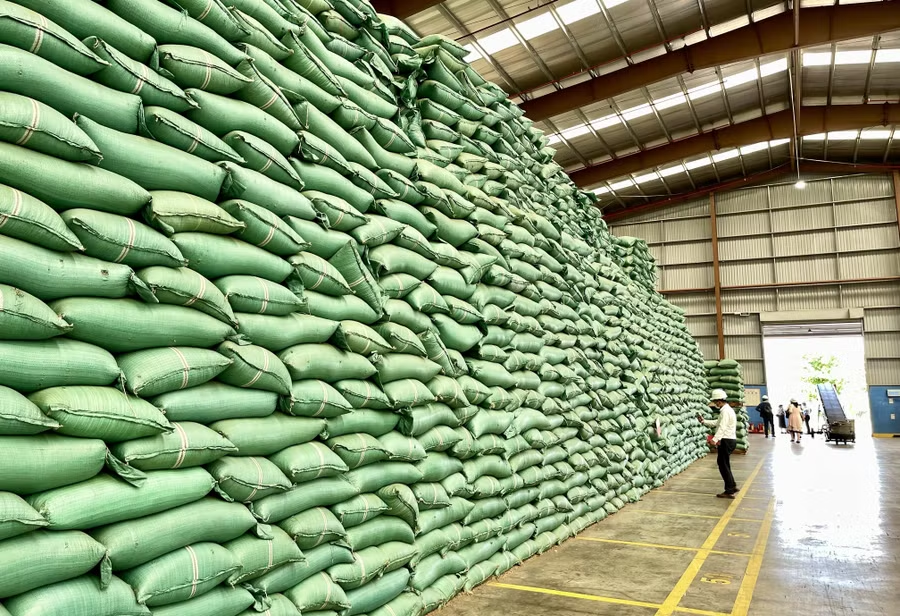
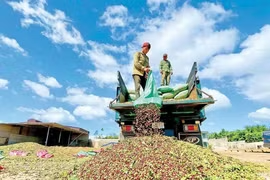
Samples will be collected at harvest, before export packaging, and tested for nitrates, pesticide residues and heavy metals, including lead and cadmium.
Compliant results will be entered into a monitoring database. Where samples fail requirements or indicate food safety risks, authorities will notify the relevant organisations and trace the products to their growing areas, producers or facilities to identify the cause.
Warnings from the EU or customers will trigger unannounced inspections and checks on the origin of affected shipments and associated production areas.
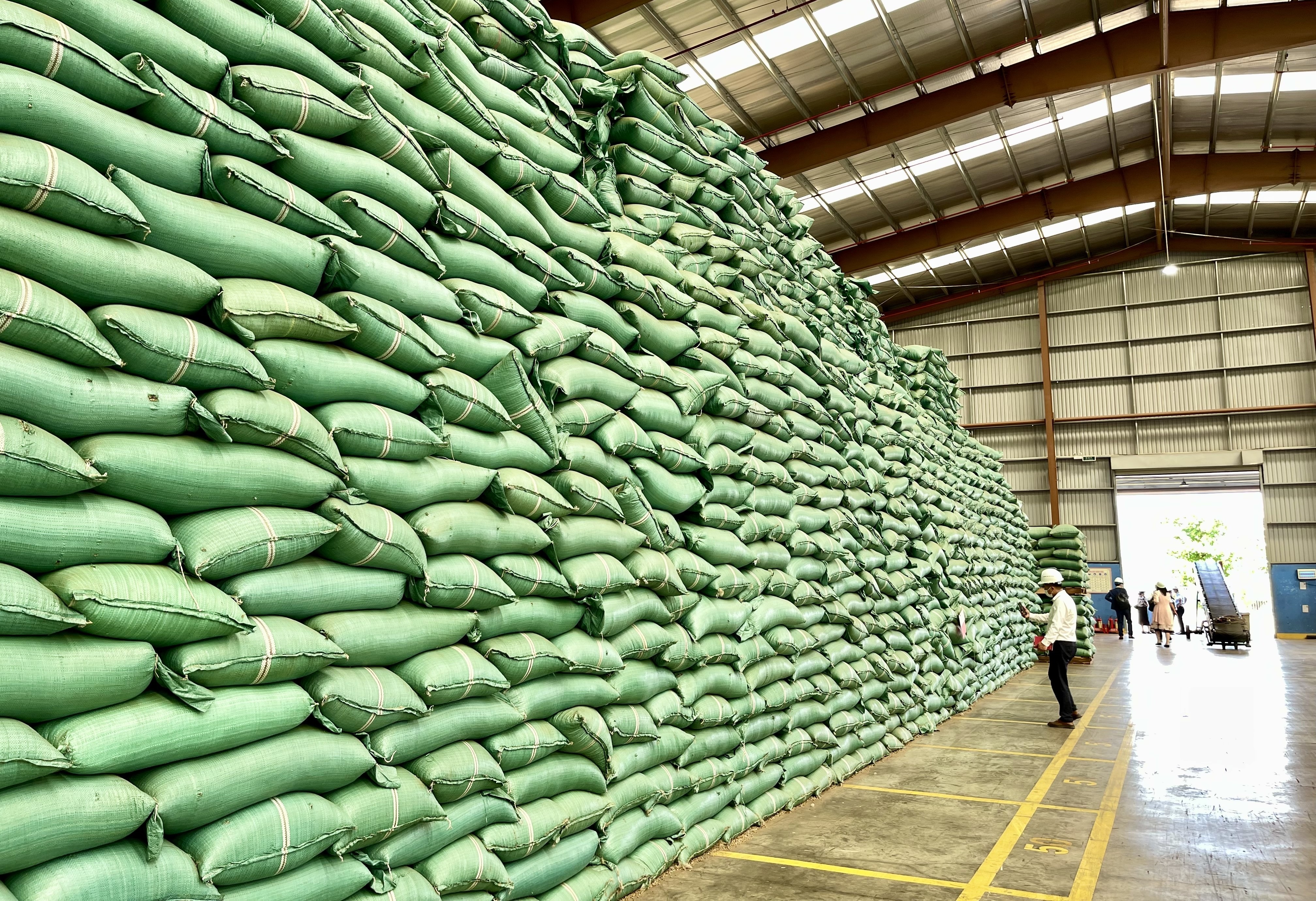
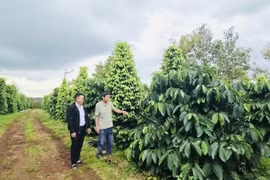
Gia Lai has more than 113,000 hectares of coffee, including over 101,000 hectares in production. Alongside quality and food safety requirements, the sector must comply with EU anti-deforestation regulations.
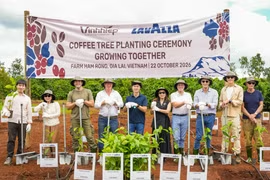
Thái Như Hiệp, chairman and general director of Vĩnh Hiệp Co., Ltd. in An Phú Ward, said the company directly manages and works with production partners across more than 18,700 hectares of coffee certified to 4C and Rainforest Alliance standards.
The area produces nearly 70,000 tonnes and involves almost 21,000 farming households and production partners, supporting quality controls, cultivation records and traceability. Vĩnh Hiệp expects to export nearly 180,000 tonnes of coffee in the 2025–2026 crop year.
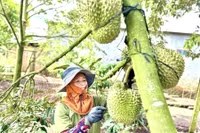
For passion fruit, the province aims to expand cultivation to about 10,000 hectares by 2030, with estimated output of 389,500 tonnes. Europe accounts for around 60-70% of processed passion fruit exports from major local enterprises.
Lưu Quốc Thạnh, general director of Quicornac Co., Ltd. in Pleiku Ward, said Vietnamese purple passion fruit appeals to European buyers because of its distinctive flavour, nutritional value and suitability for food and beverage processing.
Maintaining that position requires consistent product quality, uniform raw materials and compliance with strict rules on food safety, pesticide residues and traceability, he said.
Quicornac tests raw materials for pesticide residues to identify quality risks. According to Thạnh, its processed passion fruit products hold certifications including FDA, Kosher and Halal.
Cooperatives also supervise cultivation practices and help farming households meet buyers’ requirements.
Lê Văn Thanh, chairman of the Ia Mơ Nông Agricultural Production, Trade, Service and Tourism Cooperative in Ia Ly Commune, said internal inspections take place before each harvest.
For export growing areas and shipments, the cooperative works with businesses to collect samples and test for pesticide residues.
Households found using unauthorised chemicals or failing to observe required intervals between chemical application and harvest must take corrective action. Purchases may be temporarily suspended where necessary.
The cooperative has 600 member and affiliated households managing about 800 hectares, mainly planted with coffee and passion fruit. Standardised requirements help growers understand and apply the rules during cultivation.
Lê Quốc Thanh, director of the National Agricultural Extension Center under the Ministry of Agriculture and Environment, said farmers need to supply production records alongside their agricultural products, documenting cultivation processes, quality and origin.
Without that evidence, products face difficulties demonstrating their value and accessing markets, he said.
He also called on businesses to support production organisation and share responsibility for quality. Compliance with standards and complete traceability records would give farmers a stronger basis for negotiating prices, choosing partners and securing market access.