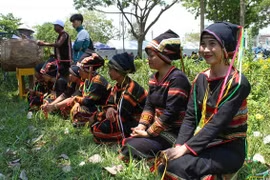
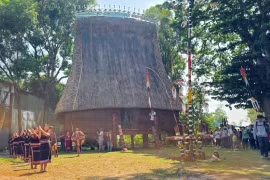
Traditionally, the cây nêu is put up on the 23rd day of the twelfth lunar month and taken down on the 10th day of the first lunar month. This year, however, many families have chosen to install the poles earlier, even before the Gregorian New Year, to create a festive atmosphere and express hopes for prosperity and happiness in the year ahead.
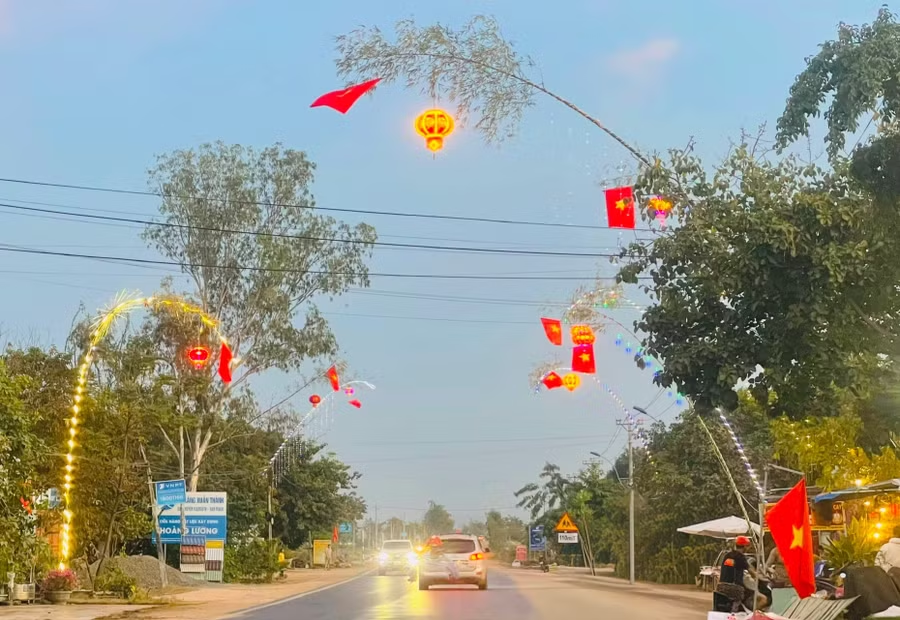
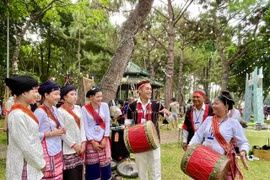
The custom of erecting cây nêu during Tet is common among several Vietnamese ethnic communities, including the Tày, Nùng and Thái people, particularly in northern provinces. While designs and timing vary, the shared meaning centres on warding off misfortune and welcoming auspicious beginnings.
After migrating to the Central Highlands in the 1990s, many Tày, Nùng and Thái families initially struggled to maintain the tradition due to economic hardship, causing it to fade for years. Over the past three years, as living conditions have improved, communities have revived the practice as a way to preserve cultural identity and reconnect spiritually with their ancestral homelands.
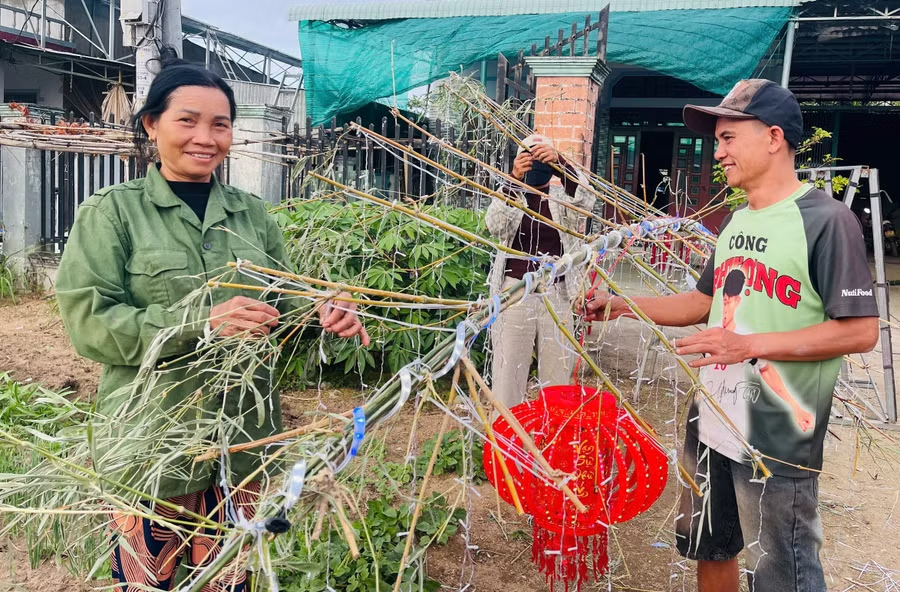
Phạm Thị Yến, an ethnic Thái resident of Sơn Bình hamlet in Chư A Thai commune, said the quieter period before Tet allows families to focus on decorating the poles. She described the cây nêu as more than an ornament, calling it a symbol believed to dispel the misfortunes of the old year and protect households from evil spirits.
In Phú Thiện commune, Nông Thị Tiệm, who moved from Cao Bằng in 1990, said the revival of the tradition reflects improved livelihoods among local Tày families. In the past, villagers ventured into forests to find suitable bamboo. Today, bamboo is widely cultivated and sold locally, making the process easier.
Rising demand and weather-related damage to bamboo groves have driven up prices. A bamboo pole that cost about 100,000 VND (around USD 4) last year now sells for between 300,000 and 500,000 VND (approximately USD 12–20) per pole.
Decorating and erecting the cây nêu is often a family effort, reinforcing bonds across generations. Many households also prepare traditional Tet dishes such as khâu nhục, five-coloured sticky rice and smoked meat, using the occasion to teach younger family members about their roots.
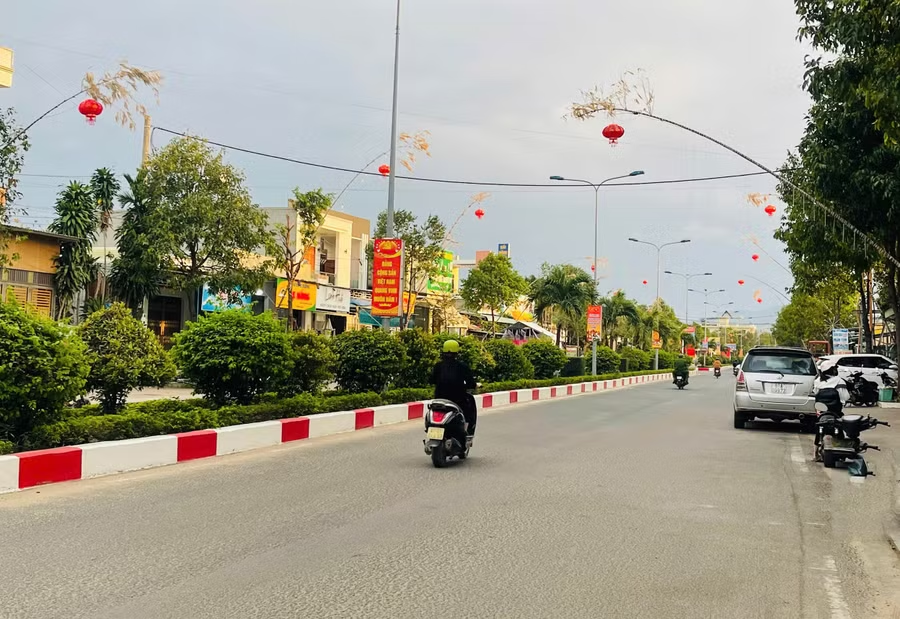
The trend has spread beyond ethnic minority communities. Many Kinh families have also joined in, lining streets with illuminated poles that create what residents describe as a magical nighttime scene and a shared sense of confidence about the future.
Responding to growing demand, local craftsmen have formed groups specialising in cây nêu decoration. Phạm Minh Ái, a craftsman in Phú Thiện commune, said producing a fully decorated pole costs about 2-3 million VND (roughly USD 80–120), depending on design. His group has completed 60 poles in the past two weeks, typically adorning them with lanterns, national flags and string lights, while prioritising safety and visual appeal.
In the rhythm of modern life, the sight of families erecting and decorating the cây nêu has created a lively, joyful atmosphere, making the spring season even more vibrant and meaningful.
Especially as this custom spreads and becomes more widespread, it enriches the spiritual life of the people and stands as a beautiful cultural tradition. Through the act of erecting the cây nêu, people are also raising their hopes and faith in a better tomorrow! I myself feel very happy!
Ms. KPă Loan – Head of the Department of Culture and Society (People’s Committee of Phú Thiện commune)