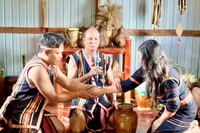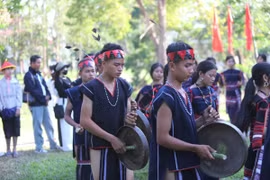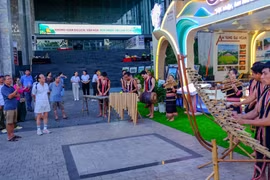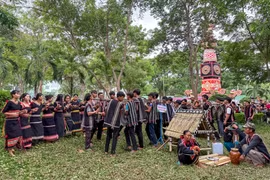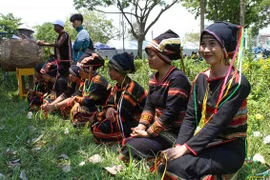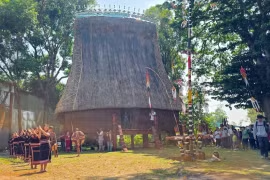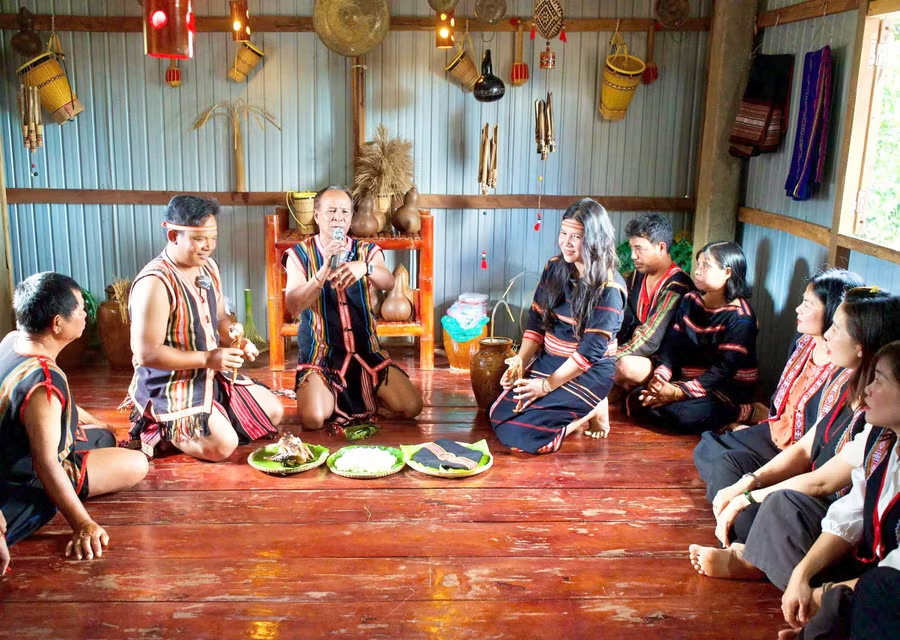
Held in the village communal house as evening fell, the ceremony recreated long-standing rituals once central to Jrai wedding seasons.
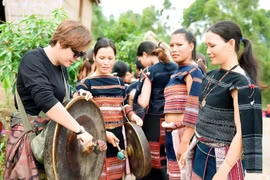
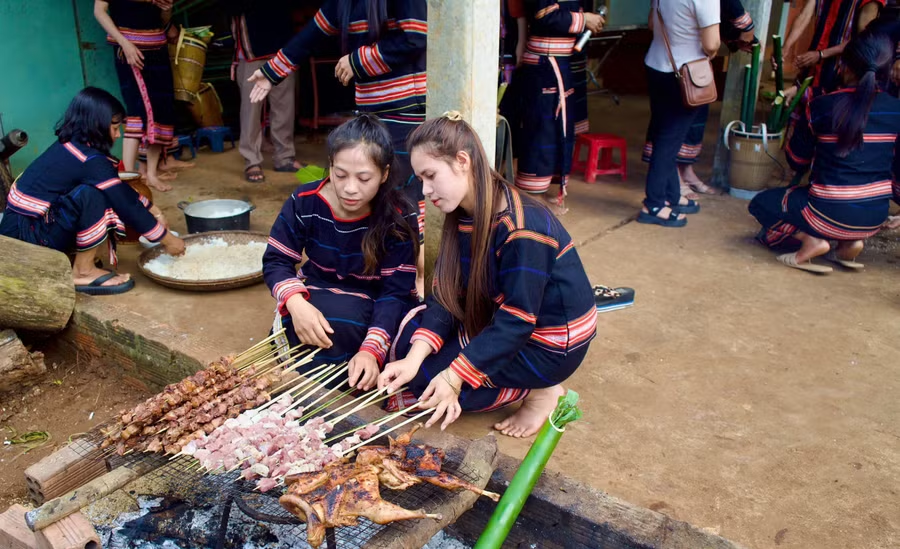
Elders tuned gongs, women prepared bamboo-tube rice and grilled chicken, while young people arranged the venue and welcomed guests. The resonant gong rhythms and xoang dances set the tone for a ceremony rooted in simplicity, community spirit and matrilineal tradition.
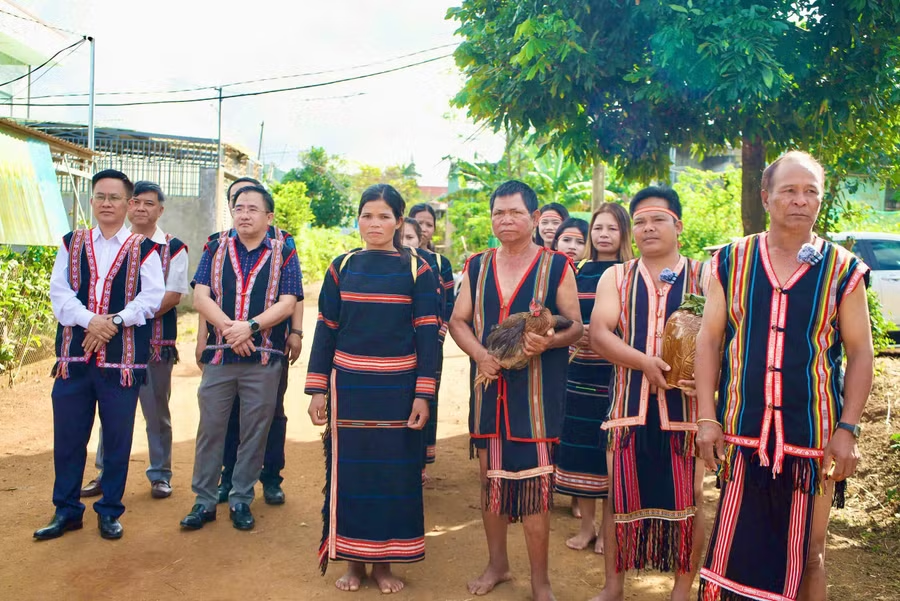
Under Jrai custom, the engagement marks the formal agreement between two families rather than just a couple. Before the ceremony, the bride’s family traditionally visits the groom’s home, sending a matchmaker to seek consent. Once both families agree, the engagement ceremony is held in the presence of relatives and villagers, confirming the union and shared responsibilities to the wider community.
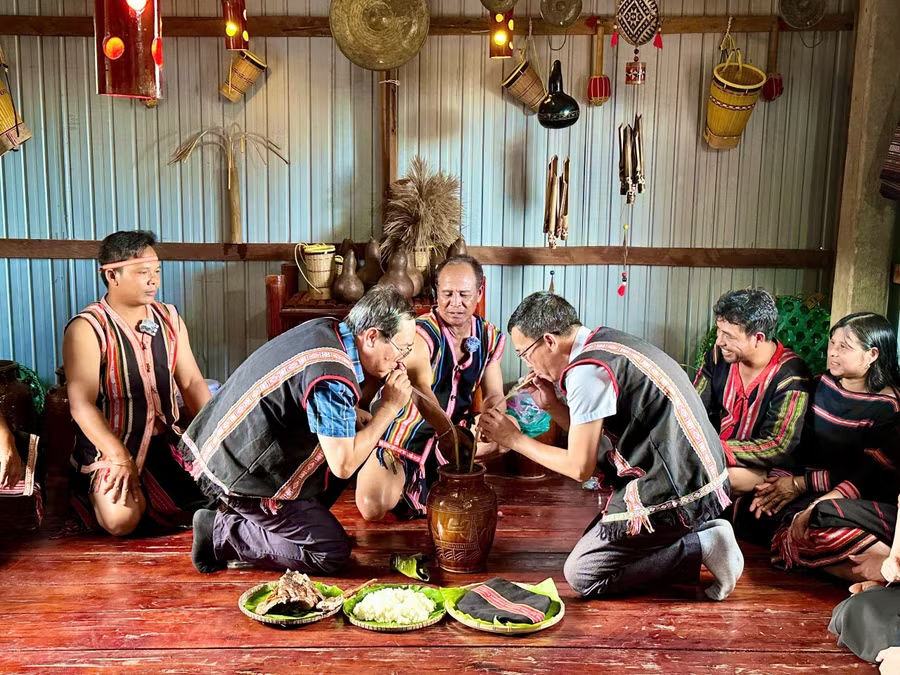
On the ceremonial day, the groom’s family arrives at the bride’s house with offerings led by the matchmaker. Gifts typically include jars of can wine, grilled chicken, bamboo-tube rice and copper bracelets. Representing the groom’s family, the matchmaker formally presents the marriage proposal and affirms mutual consent before the community.
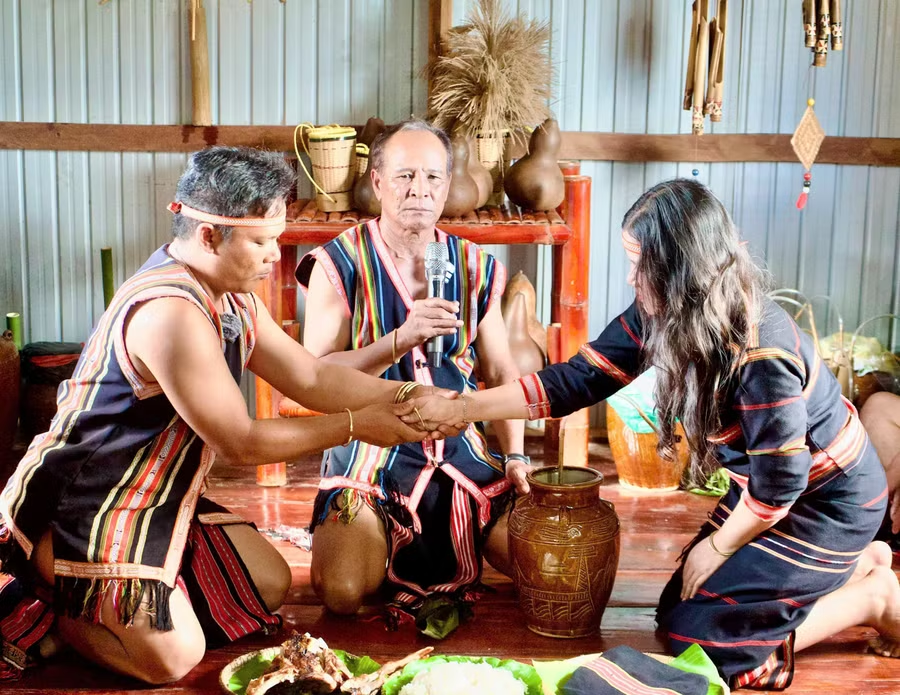
The central ritual is the exchange of copper bracelets between the couple, symbolising lifelong commitment. This is followed by the sharing of sticky rice balls, chicken drumsticks and can wine, accompanied by blessings from both families, underscoring fidelity and collective responsibility to family and village.
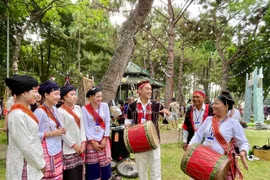
Throughout the evening, gongs and xoang dances animated the communal space as villagers and guests joined hands in circles around the hearth fire. The reenactment was notable for the strong participation of young people, who took on ceremonial roles, prepared offerings and joined traditional dances.
Young artisan Rah Lan Thắng said witnessing and participating in the ceremony was deeply moving, recalling the modest yet loyal weddings of previous generations and reinforcing the value of preserving Jrai traditions. Another participant, H’Thảo, said she was proud to help introduce her village’s culture and identity to visitors.
Village elders welcomed the hands-on involvement of younger generations, noting that carefully repeating each ritual step helps ensure traditions are passed down naturally within the community rather than merely performed.
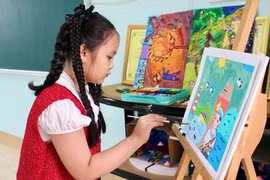
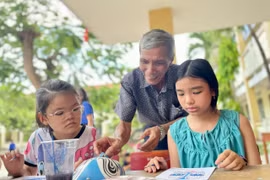
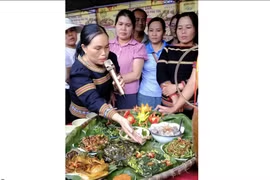
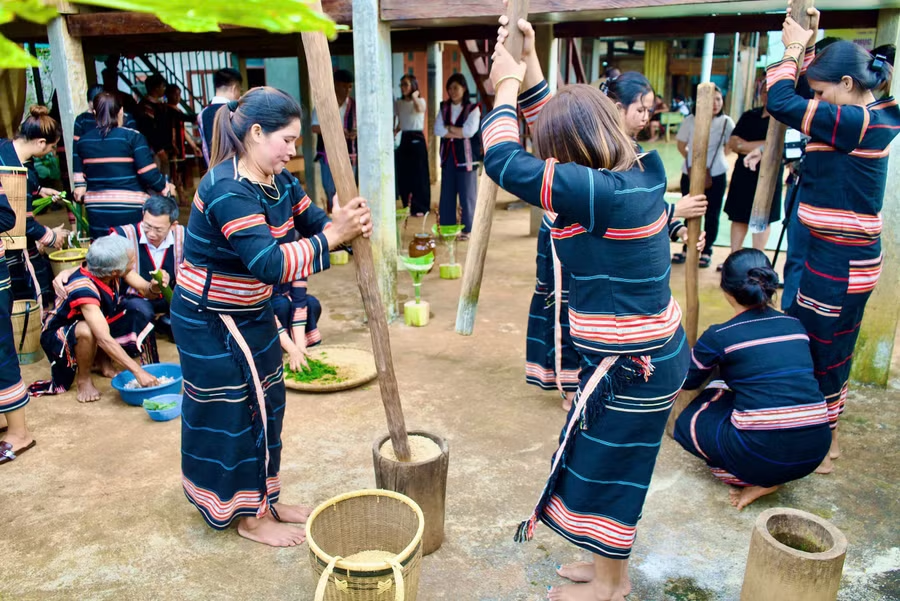
Alongside the ceremony, visitors were invited to join cultural experiences such as preparing traditional food, pounding cassava leaves, tasting can wine, dancing xoang and engaging with Central Highlands gong culture. The combined sights, sounds and aromas created a warm and immersive atmosphere.
Rơ Châm Thót, head of Ơp village, said the reenactment helps preserve Jrai cultural identity while gradually forming distinctive community tourism products that can attract visitors and improve local livelihoods. From an industry perspective, Hà Trọng Hải, vice chairman of the Gia Lai Tourism Association, said travellers to Pleiku are increasingly seeking cultural experiences alongside natural scenery, and that the revived ceremony adds depth to the city’s tourism offerings.
Local authorities have also voiced support. Nguyễn Ngọc Thông, vice chairman of the Pleiku Ward People’s Committee, said the ward is promoting cultural preservation in parallel with community tourism by reviving key rituals, expanding cultural spaces and developing distinctive tourism products.
Community-based tourism, local leaders say, is already creating opportunities for residents through guiding, traditional cuisine, handicrafts and cultural events.
When income is linked to cultural activities, communities are more motivated to protect traditions, rituals and their living environment. Ensuring authenticity, avoiding over-staging and establishing fair benefit-sharing mechanisms are seen as essential for sustainability.
As Gia Lai prepares to host the 2026 National Tourism Year, the traditional Jrai engagement ceremony in Ơp village is expected to emerge as a cultural highlight of Pleiku, demonstrating how living heritage can become a sustainable resource when communities are both custodians and beneficiaries.