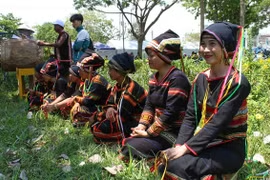
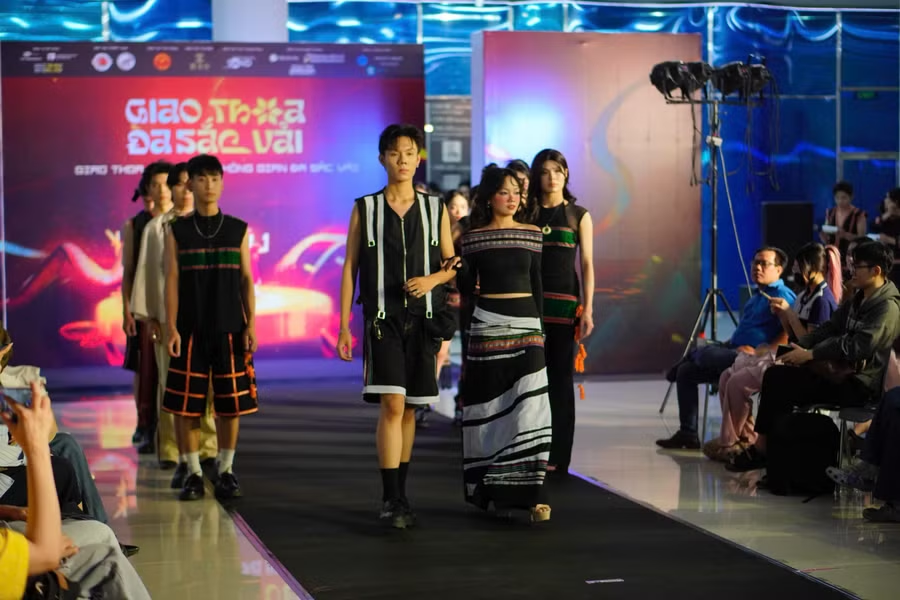
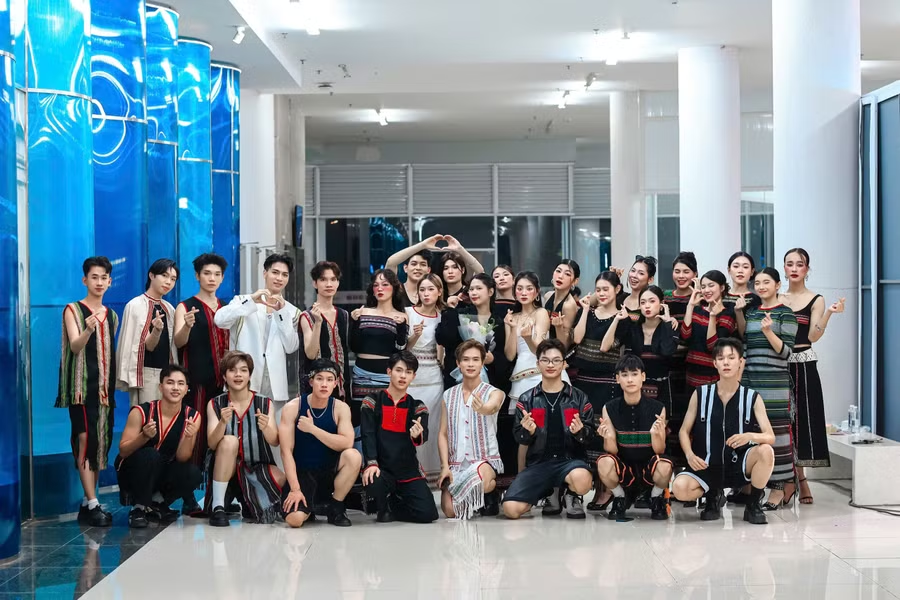
Their standout initiative, the “Giao thoa đa sắc vải” (Interwoven colors of fabric) project, debuted on 29 November at the Ho Chi Minh City Student Cultural House, showcasing 28 outfits inspired by ethnic brocade.
Led by student Nguyễn Quỳnh Anh of Gia Lai, the project blends traditional textiles with contemporary design and augmented reality (AR), aiming to connect Generation Z with the cultural identity of their homeland.
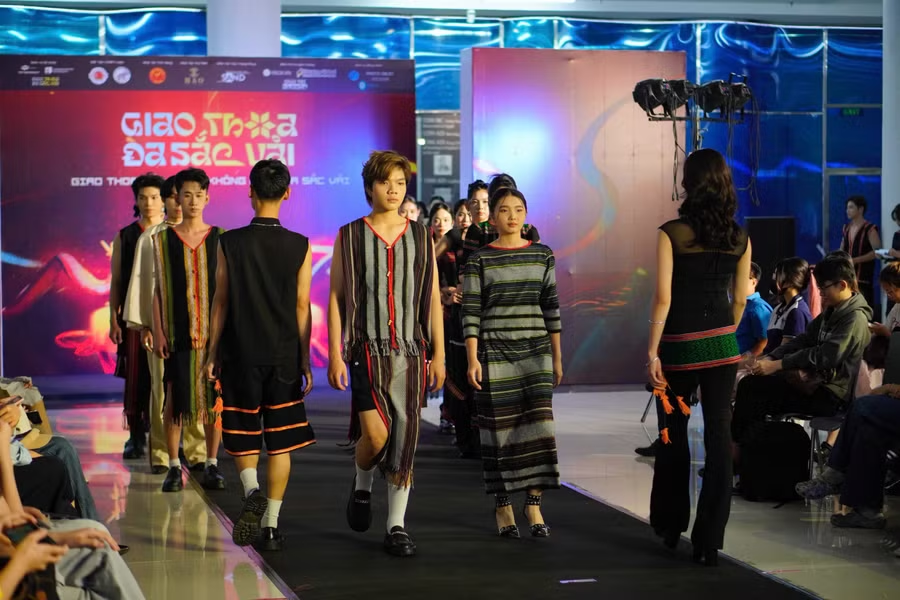
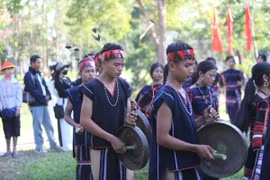
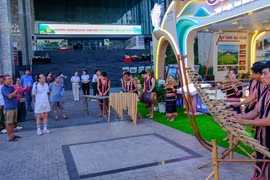
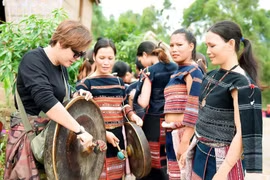
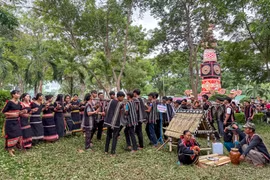
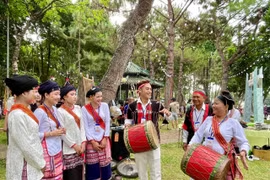
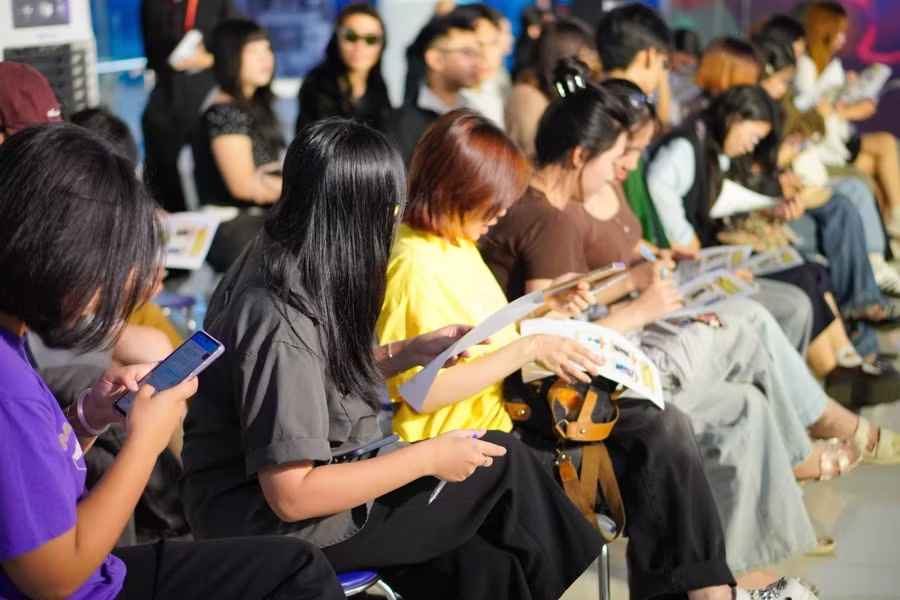
The fashion show drew hundreds of young viewers, accompanied by gong sounds and mountain-inspired lighting that highlighted the region’s spiritual heritage.
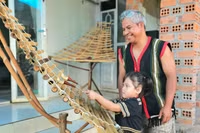
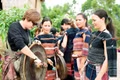
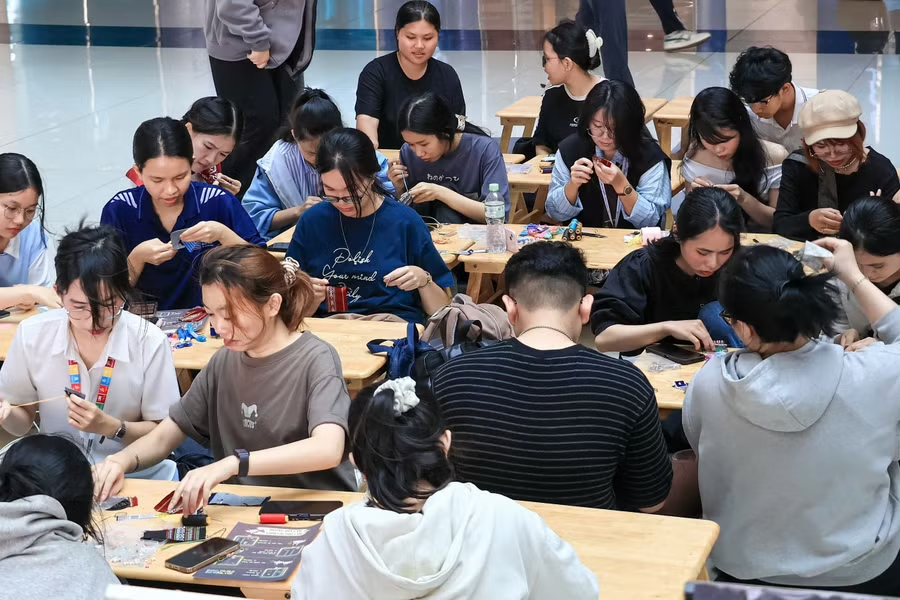
The project’s two-part structure featured a runway show and a creative workshop. Fourteen traditional costumes were displayed alongside 14 modern designs incorporating ethnic motifs. Young audiences also interacted directly with woven fabrics, learned traditional weaving techniques, and created their own brocade accessories.
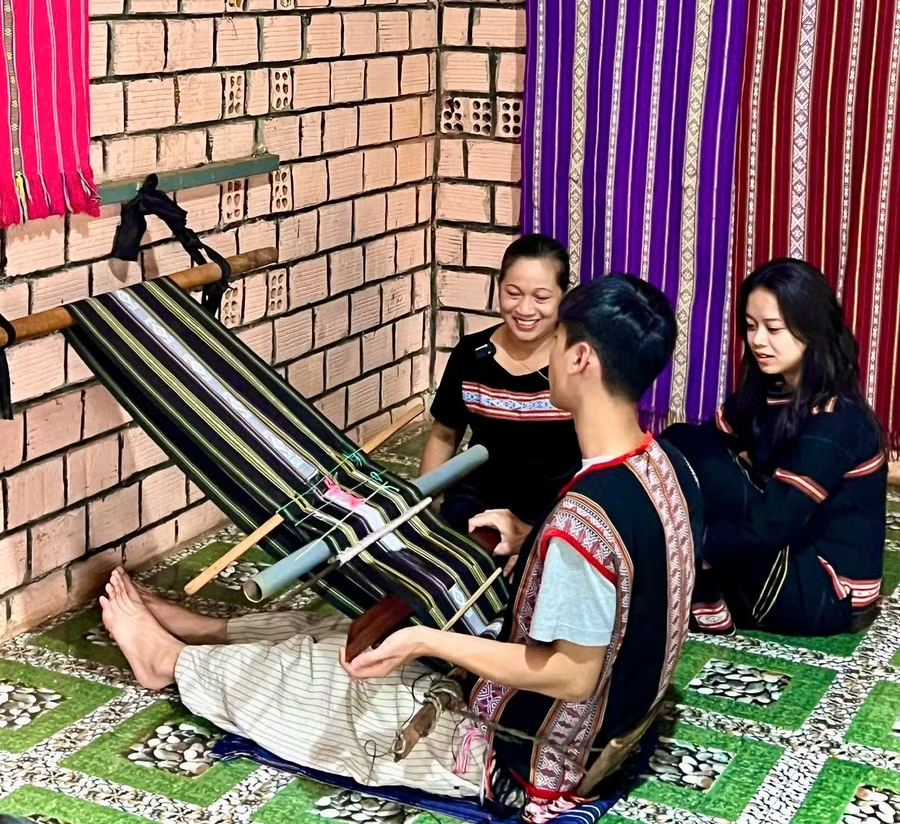
Quỳnh Anh described the initiative as a mission to keep culture “alive” rather than preserved behind glass.
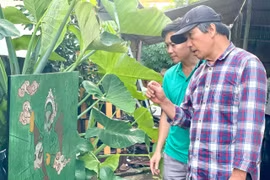
Her team conducted extensive fieldwork at the Pleiku Museum and the Phung Village Brocade Weaving Club, where artisans explained the cultural symbolism behind each brocade pattern, representing mountains, gongs, birds and streams.
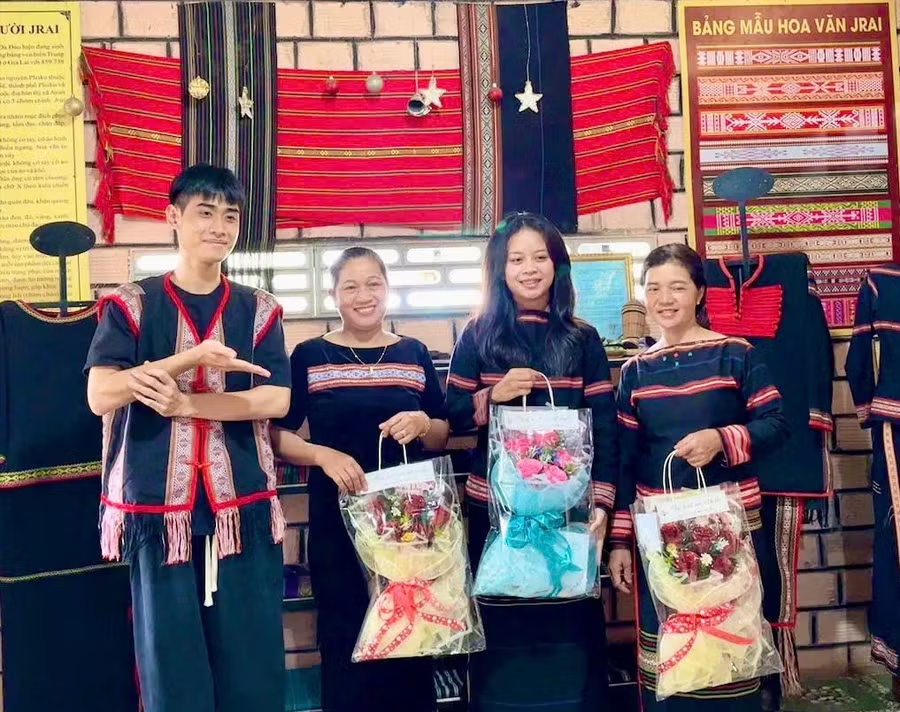
Other young collaborators, including Gia Lai native Hoàng Trung, joined the project to support media production. The team worked with experienced designers such as Nguyễn Thị Mỹ Linh and Khoa Lỗ to refine materials, styling and cultural accuracy. The Ê Đê–Central Highlands Youth Club and advisor Y Phương also reviewed costume images.
The group faced challenges in researching traditional attire due to limited academic documentation, as well as in managing a large-scale event for the first time.
They handled all logistics, from model training to AR filter development on TikTok, where users could digitally “try on” Central Highlands costumes through a 3D effect.
Audience members said the show reimagined ethnic patterns in modern silhouettes that resonate with young aesthetic preferences.
For some, the gong sounds and brocade designs evoked an emotional connection to the region’s heritage. Workshop participants said crafting brocade accessories deepened their appreciation of artisans’ skills.
The project’s positive reception reflects a growing youth interest in local culture when presented through creative and relatable experiences.
For Quỳnh Anh and her team, the program proved that cultural heritage thrives when young people feel pride, engage directly, and reinterpret traditions in new forms.