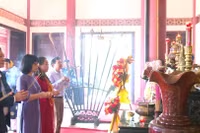
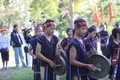
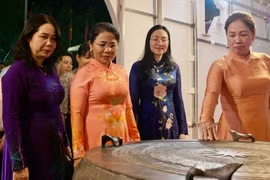
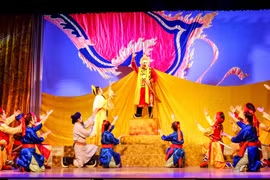
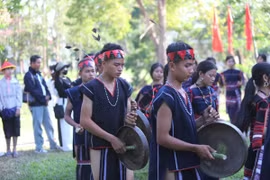
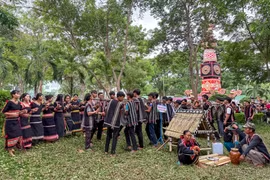
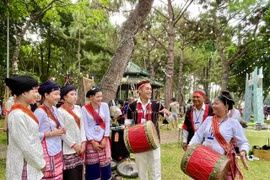
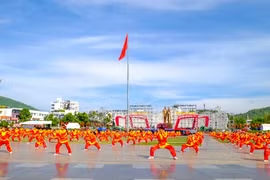
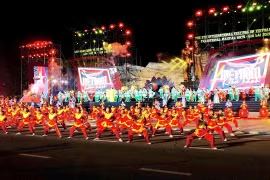
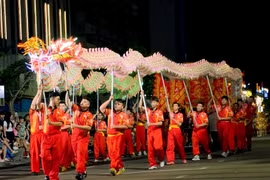
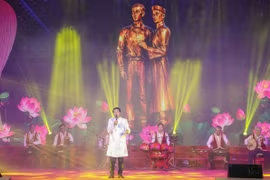
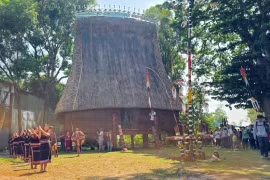
The Hiệp Kỵ ceremony followed traditional rites, including a drum procession, ceremonial music and the reading of a memorial oration expressing gratitude for the three brothers’ contributions as founders and leaders of the Tây Sơn peasant movement in the late 18th century.
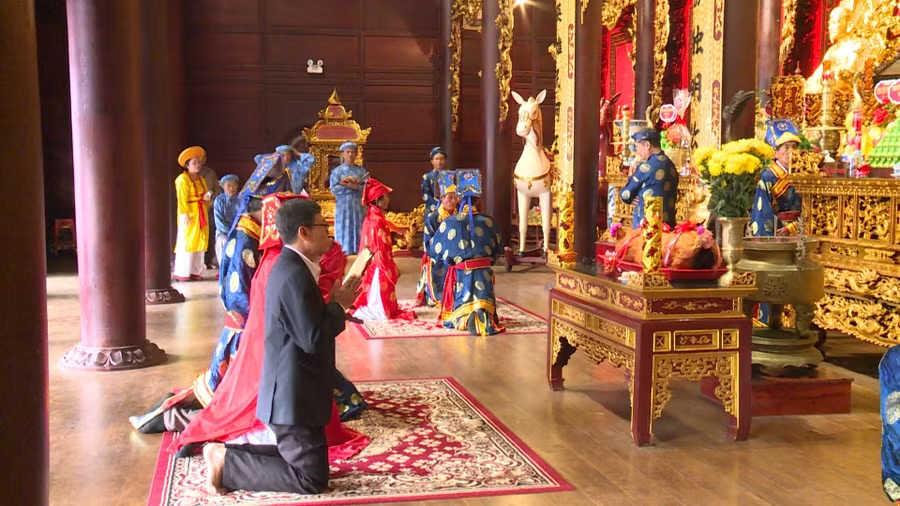
Nguyễn Huệ, later crowned Emperor Quang Trung, was remembered for his decisive military achievements. He ended the long-standing division between the Trịnh and Nguyễn feudal lords, reunified the country under a single rule, and led victories against a force of 50,000 Siamese troops and 290,000 Qing invaders, securing national independence and leaving a lasting mark on Vietnam’s history of nation-building and defence.
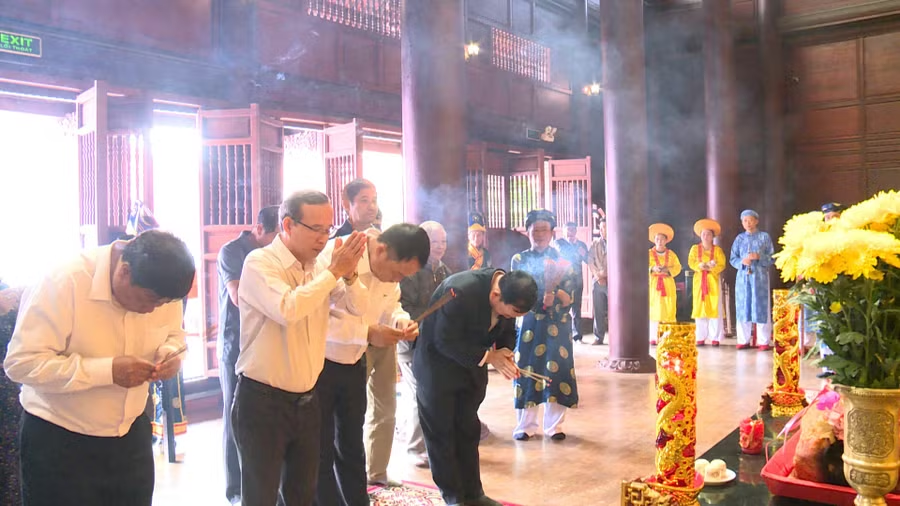
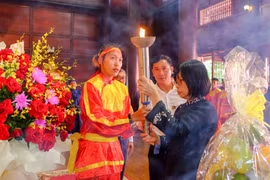
Following the ceremony, representatives from the Department of Culture, Sports and Tourism, local authorities of Tây Sơn Commune, and numerous residents offered incense in tribute to the three brothers.
A day earlier, on January 2, the Quang Trung Museum also organised a memorial ceremony for the parents of the Tây Sơn leaders at their ancestral temple at the Gò Lăng historical site in Phú Lạc hamlet, Bình An Commune, recognised as the maternal homeland of the Tây Sơn brothers.