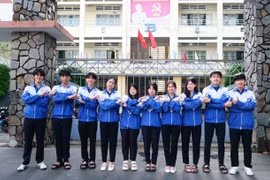
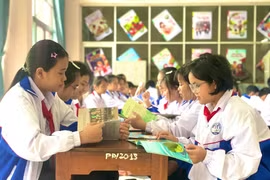
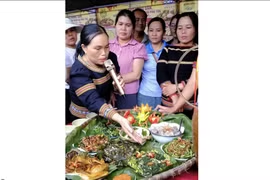
At Hùng Vương Secondary School in Ia Grai commune, more than 1,000 students joined the school’s second annual Spring Festival in 2026. The centrepiece was the “Green Bánh Chưng, Meaningful Bánh Tét” competition, which brought together representatives from 25 classes over two days.
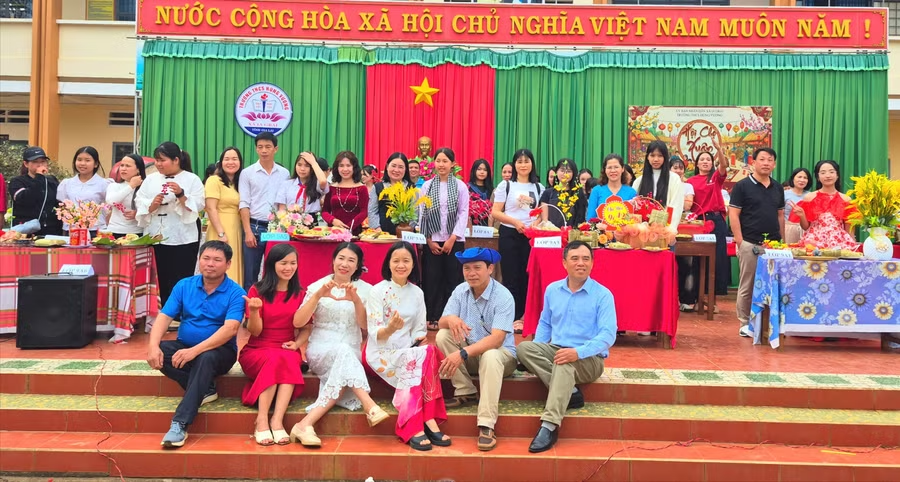
Students wrapped the traditional cakes on February 7 and presented them for judging the following day. Prizes were awarded in two categories — grades 6–7 and grades 8–9 — with first, second, third and consolation awards announced after evaluation by a judging panel.
Phạm Thanh Thuận, Head of the Math-IT Department and a member of the organising committee, said the competition aimed to deepen students’ understanding of Vietnamese traditions and promote awareness of preserving national customs.
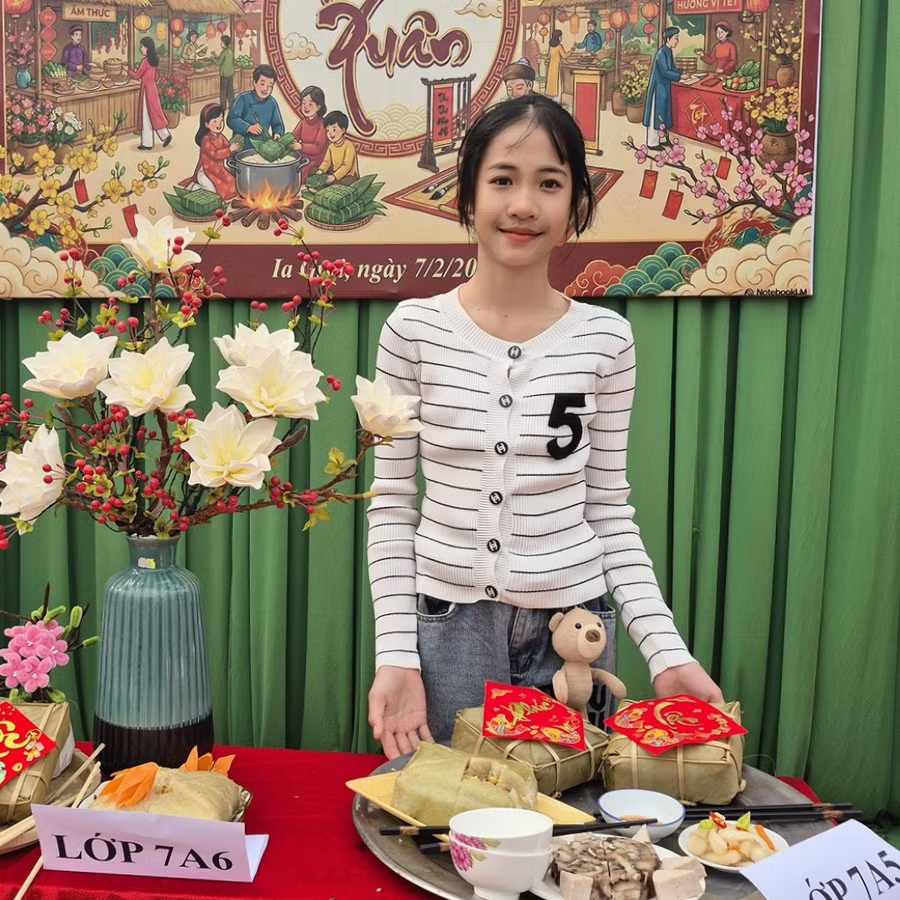
Participants were required to complete every step themselves, from wrapping and cooking the cakes to arranging festive trays. “We were truly surprised at how beautifully the students could wrap the bánh,” Thuận said.
Nguyễn Ngọc Như Hà, a seventh-grade student who won first prize in the lower-grade category, described the experience as a source of pride. She said researching the history and symbolism of bánh chưng helped her appreciate its cultural meaning. “Although simple, it carries profound significance,” she said, noting that the ingredients represent prosperity and abundance while reflecting gratitude for what sustains people.
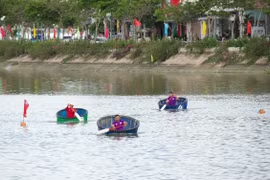
Other schools also recreated distinctive elements of Tet culture. At Asia-Pacific International School (APC Gia Lai) and Trưng Vương High School in Quy Nhơn ward, students took part in folk games, decorated traditional cake trays, arranged five-fruit offerings and practised writing Tet couplets.
While some five-fruit trays were imperfect and calligraphy strokes unsteady, educators said the process of practising traditions helped students better understand customs passed down through generations.
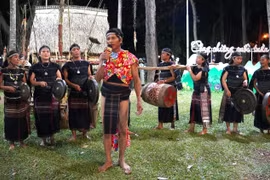
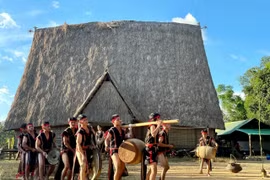
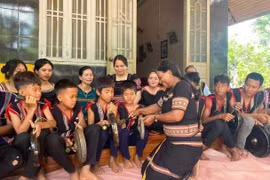
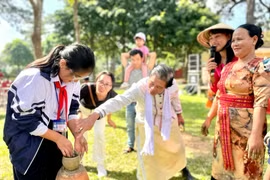
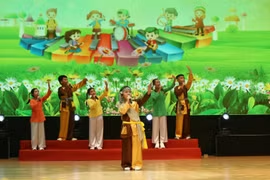
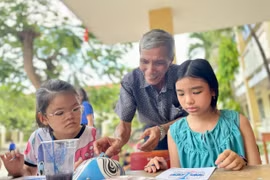
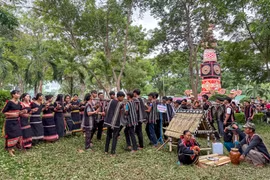
At Anh hùng Núp Primary School in An Phú commune, where more than 86% of students are from ethnic minority communities, the “Loving Spring – For Creative Children” programme integrated local cultural elements into its Spring Festival.
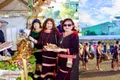
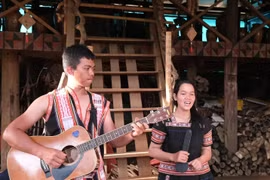
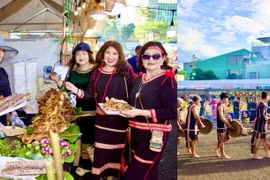
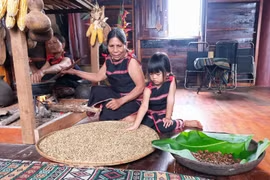
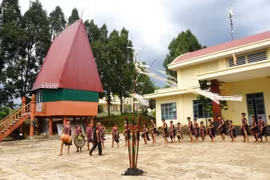
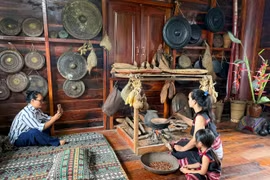
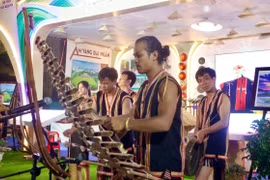
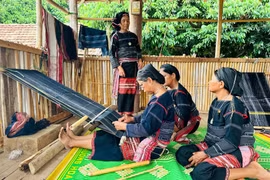
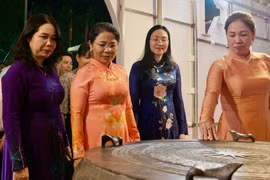
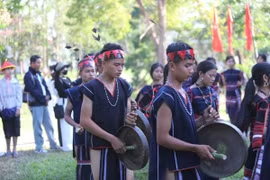
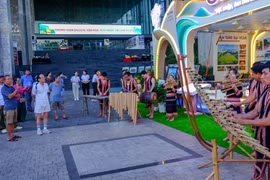
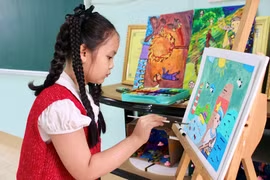
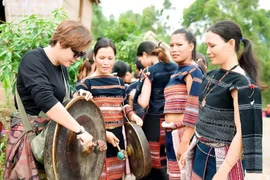
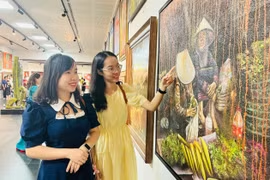
Held on February 9, the event featured musical performances celebrating the Party and the New Year, displays of ethnic musical instruments, gong and xoang dance performances, traditional J’rai weaving demonstrations, cultural-themed painting activities and local cuisine prepared with support from parents. The festival also served as a platform for cultural exchange among students from different ethnic backgrounds.
Alongside cultural activities, many schools embedded charitable initiatives into their Tet programmes.
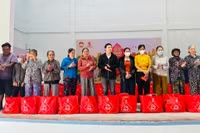
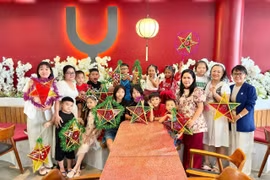
At Hoa Hồng Kindergarten in Pleiku ward, the “Scent of Vietnamese Tet – Childhood Today” Spring Festival distributed 16 Tet gift packages to disadvantaged pupils. Two weeks before the event, the school launched a piggy bank fundraising campaign.
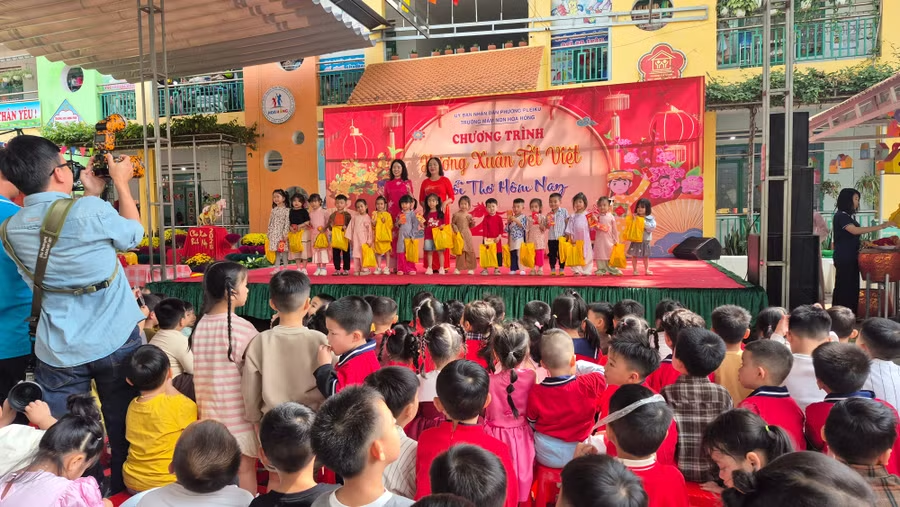
The initiative raised more than 18 million VND (approximately $720), funding gifts for nearly 80 disadvantaged children at a satellite campus of Sơn Ca Kindergarten in Pờ Tó commune. The packages included new clothes, shoes, sweets and lucky money envelopes.
Principal Trần Thị Thủy said the campaign offered practical lessons in thrift and compassion. “Every contribution, no matter how small, carries love and a spirit of sharing,” she said, adding that nurturing empathy from an early age helps children develop responsibility toward their community.
At Sơn Ca Kindergarten, Tet gift-giving for disadvantaged children has been maintained for a decade with support from local authorities and benefactors. This year, 500 gift packages — including sweets, clothing and food — were delivered to ethnic minority students across five school sites and to nearly 100 low-income households in the commune.
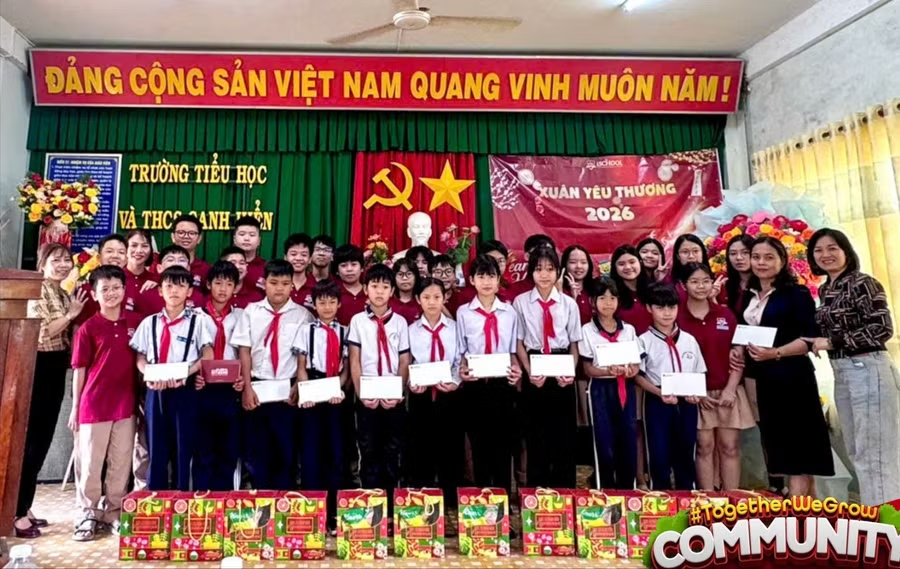
Fundraising is also an annual practice at iSchool Quy Nhơn. For Tet 2026, the school raised more than 334 million VND (approximately $13,360) through food sales, folk games, piggy bank campaigns and contributions from parents. In the two weeks before Tet, gifts were distributed to disadvantaged families in eastern Gia Lai.
Educators say that in the midst of rapid modernisation, bringing traditional Tet practices into schools is more than a festive exercise. By combining cultural immersion with charitable outreach, schools aim to preserve Vietnamese values while fostering solidarity and compassion among the younger generation.