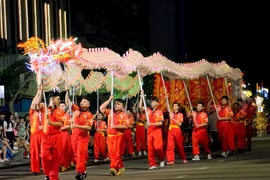
Festival activities this year connect both historic regions, considered the cradle and the later stronghold of the movement, through synchronized commemorations, rituals, and performances.
Key sites upgraded ahead of ceremonies
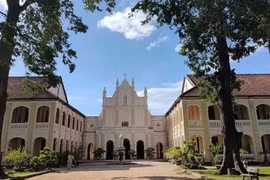
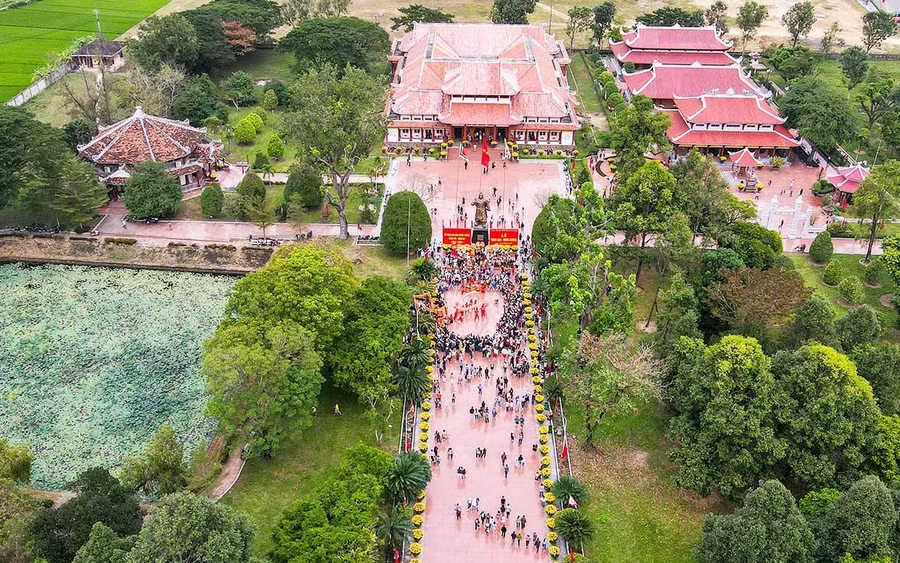
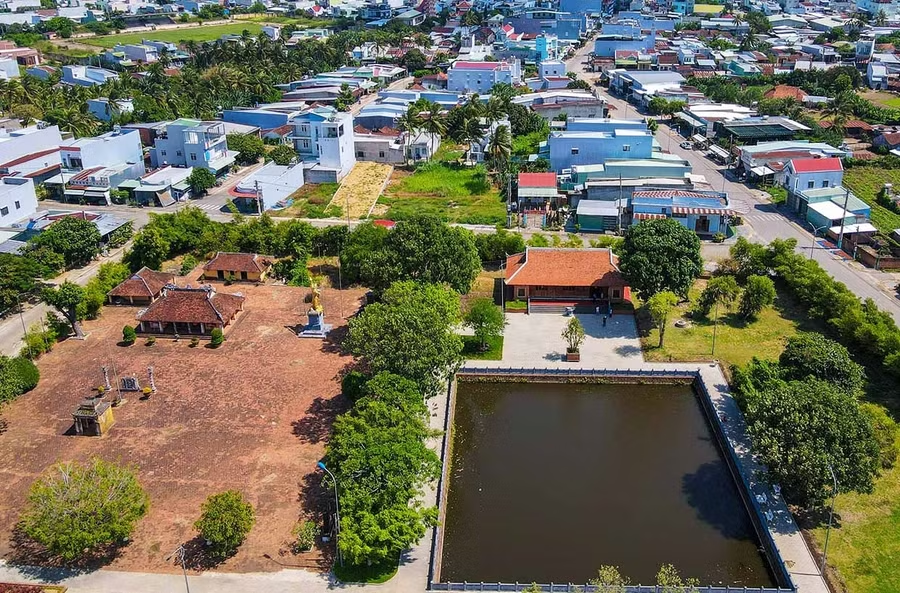
At the heart of Tây Sơn Hạ Đạo, the Quang Trung Museum in Tây Sơn commune has been enhancing its grounds and the adjacent Tây Sơn Tam Kiệt Temple, a special national relic.
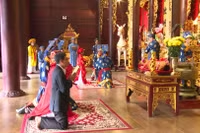
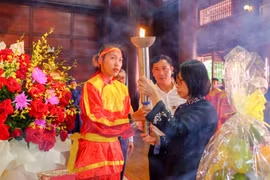
Other historically linked locations, including the Kính Thiên Platform, the Temple of the Parents of the Tây Sơn Tam Kiệt, the Temple of Admiral Bùi Thị Xuân, the Temple of Grand Minister Võ Văn Dũng, and the Ancestral Tomb of the Tây Sơn Tam Kiệt, are being restored and readied for incense and floral offering rites.
Nguyễn Văn Tấn, Acting Director of the Quang Trung Museum, said preparations include arranging festival music, ceremonial offerings, and formations depicting Tây Sơn guards to create “a sacred atmosphere rich in historical education”.
Thượng Đạo region aligns rituals and heritage spaces
In Tây Sơn Thượng Đạo, An Khê ward is preparing ceremonies at the An Khê Trường area, the Tây Sơn Tam Kiệt Temple, and related relics regarded as the birthplace of the uprising. Spaces for offerings have been reorganized, and heritage zones are being reviewed to maintain the traditional character of the highland region.
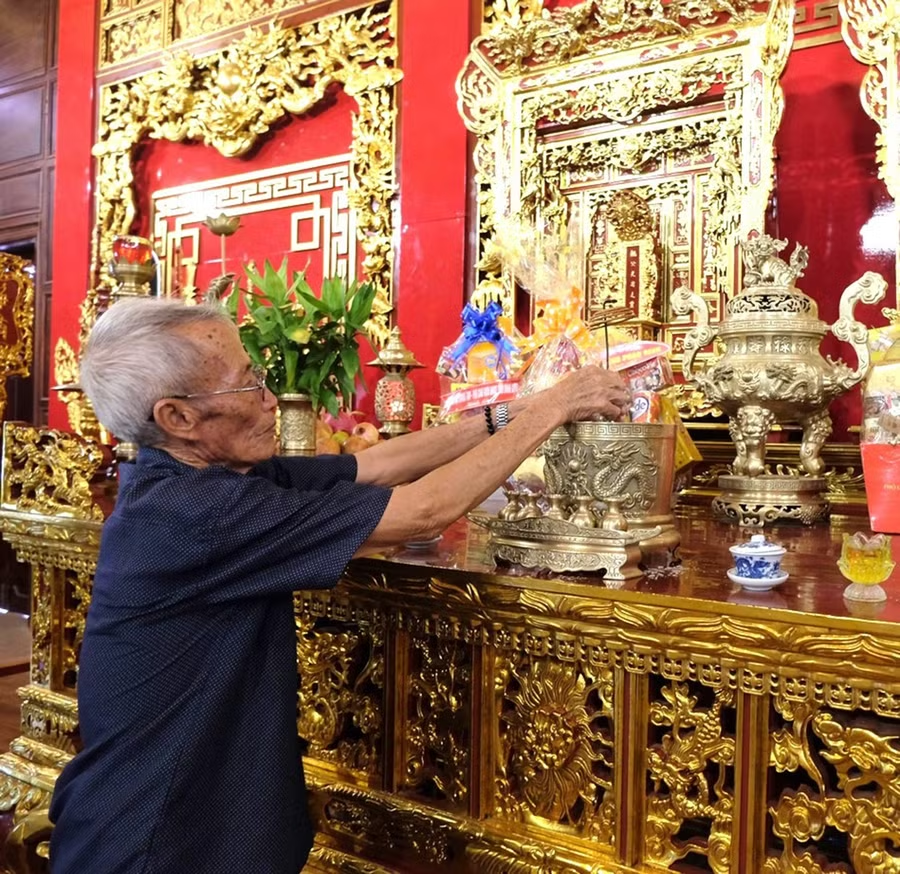
Trần Ngọc Hỷ, Head of the An Khê Trường Heritage Management Board, said teams have been assigned ceremonial roles and texts to ensure solemn rituals at the An Khê Trường communal house, An Khê communal house, and the Tây Sơn Tam Kiệt Temple.
Vice Chairman Nguyễn Thanh Điệp said the festival is both a memorial and an opportunity to promote the image of Tây Sơn Thượng Đạo, adding that the ward aims to help visitors “experience the depth of local history and culture”.
Cultural revival and community participation
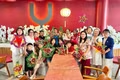
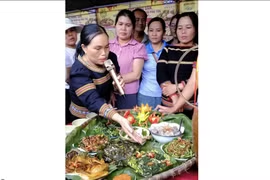
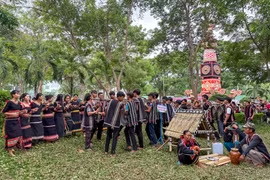
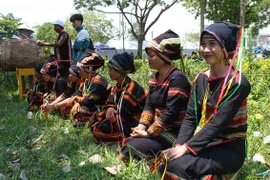
A highlight of the Thượng Đạo celebrations is the re-creation of the Kinh–Thượng Market during the Hội Cầu Huê festival, illustrating historic exchange between ethnic groups during the early Tây Sơn movement. Trần Ngọc Hỷ said reviving the festival “helps retell the story of the land and people of Tây Sơn Thượng Đạo in a lively way”.
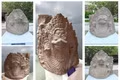
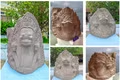
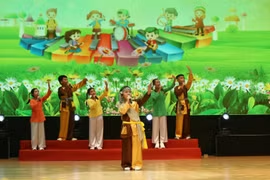
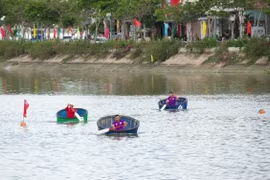
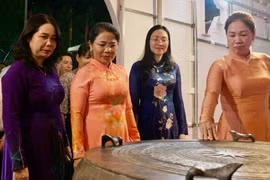
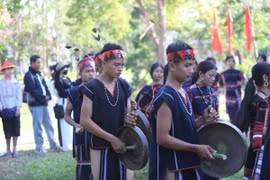
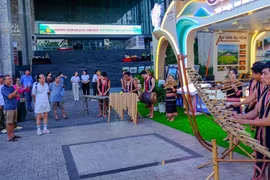
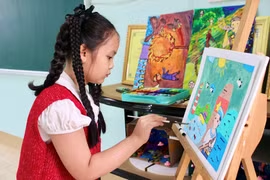
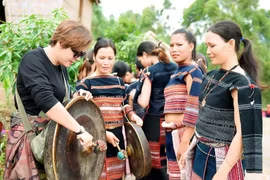
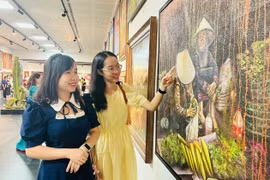
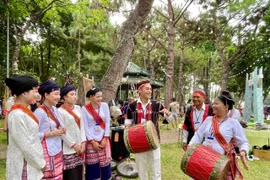
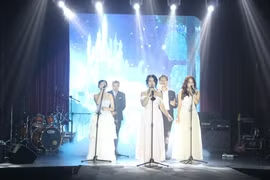
Traditional activities, including Bài Chòi folk games, gong music nights, stage performances, and exhibitions of paintings, photographs, and Paleolithic artifacts, will add to the festive atmosphere.
Vibrant performances at Quang Trung Museum
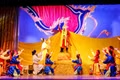
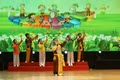
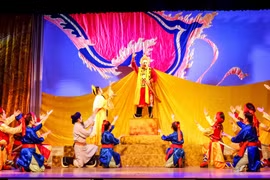
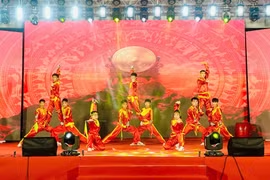
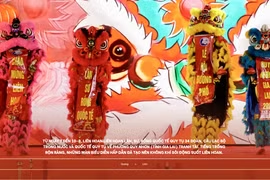
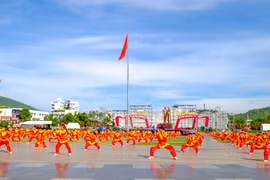
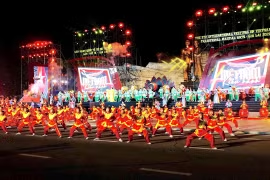
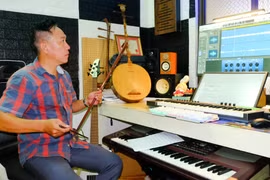
Alongside official ceremonies, the Quang Trung Museum will host a slate of performances from the fourth to the fifth day of the Lunar New Year 2026. These include gong ensembles, Tây Sơn martial music, Bình Định martial arts, hát bội classical opera, Bài Chòi singing, and the Bài Chòi folk game festival.
Tribute to history and cultural preservation
With preparations spanning both regions, this year’s festival not only honors the leaders and soldiers of the Tây Sơn movement but also serves as a cultural homecoming, reinforcing the historical and spiritual identity of Gia Lai province in modern life.