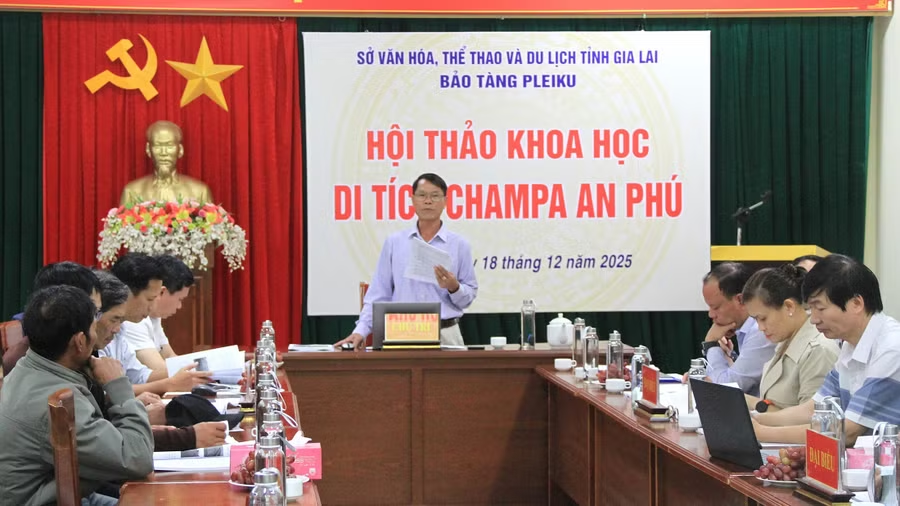
The proposal was discussed on December 18 at a scientific seminar held at the Pleiku Museum by the provincial Department of Culture, Sports and Tourism, aimed at finalising documentation for submission to competent authorities.
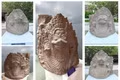
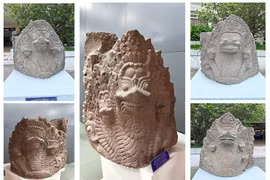
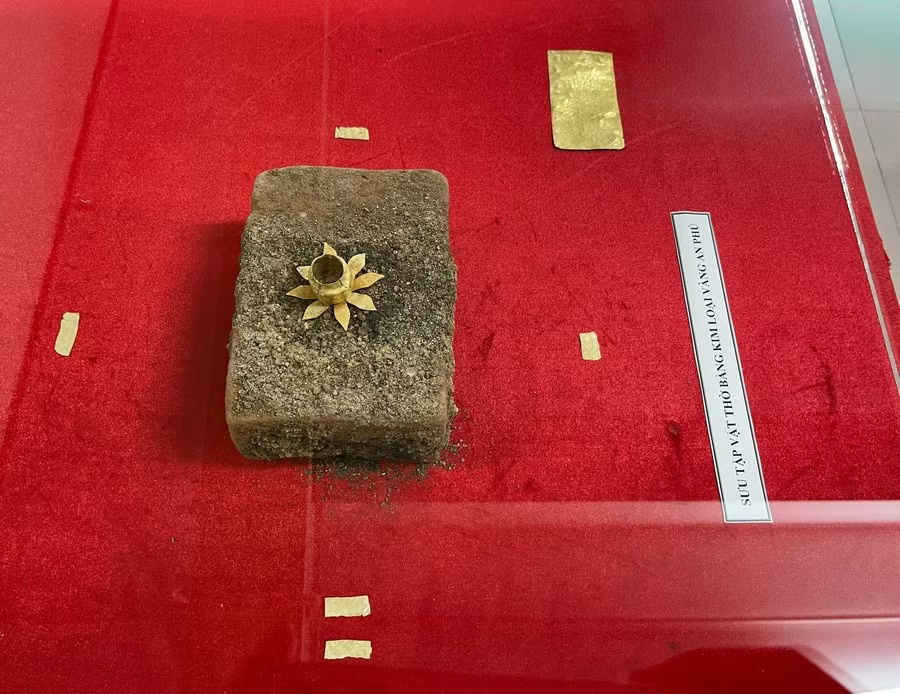
Based on scientific records and archaeological surveys and excavations conducted between 2022 and 2024, the An Phu site, located in Group 11 of An Phu Ward, has been identified as a Champa-era Buddhist temple. Findings include architectural foundations, clearly defined cultural layers and numerous valuable artefacts.
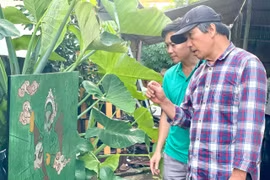
Among the most notable discoveries are traces of a “sacred pit” and artefacts bearing ancient inscriptions, which help establish the site’s age and confirm its religious function.
Experts at the seminar said the An Phu Champa Relic provides important evidence of the spiritual life of ancient Champa communities and demonstrates the historical presence and cultural influence of Champa civilisation in Vietnam’s Central Highlands.
The site was also assessed as having significant archaeological, historical and cultural value at both national and international levels.
Participants, including provincial officials, representatives of An Phu Ward authorities and local households whose farmland lies within the site, unanimously agreed to complete the required dossier to seek official recognition, paving the way for future conservation and heritage promotion.