Held only once a year in Phong Thạnh Hamlet, Tuy Phước Commune, the market opens at dawn on the first day of Tet. For generations, locals have returned to exchange simple goods, betel leaves, areca nuts, salt and rice, in rituals symbolising harmony and good fortune.
“At the start of the year, picking fortune and seeking love / Betel and areca I carry to the Gò Market fair…” goes a familiar folk verse that calls people back each spring to what many describe as a cultural rendezvous.
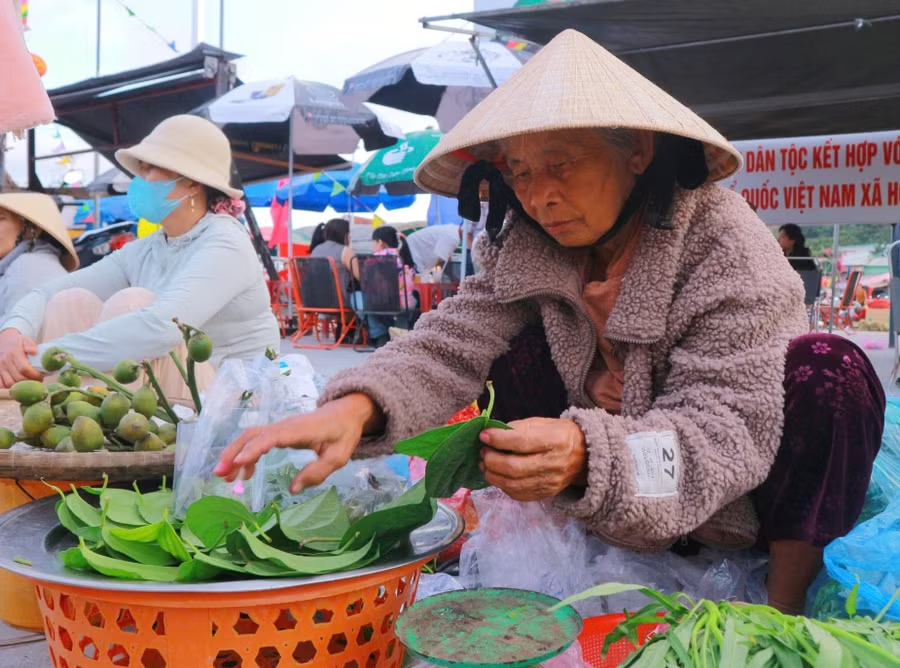
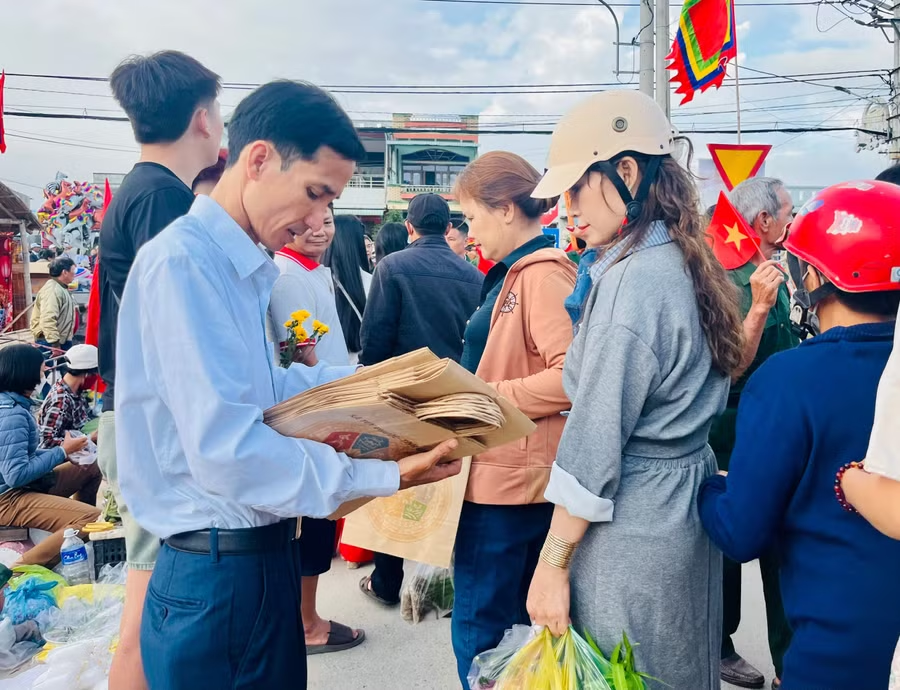
Visitors traditionally buy a small offering that includes a young green areca nut, five betel leaves with stems, and a pinch of salt and rice. The modest bundle carries hopes for a prosperous and harmonious year ahead and provides an opportunity for families to reunite and share the joy of Tet.
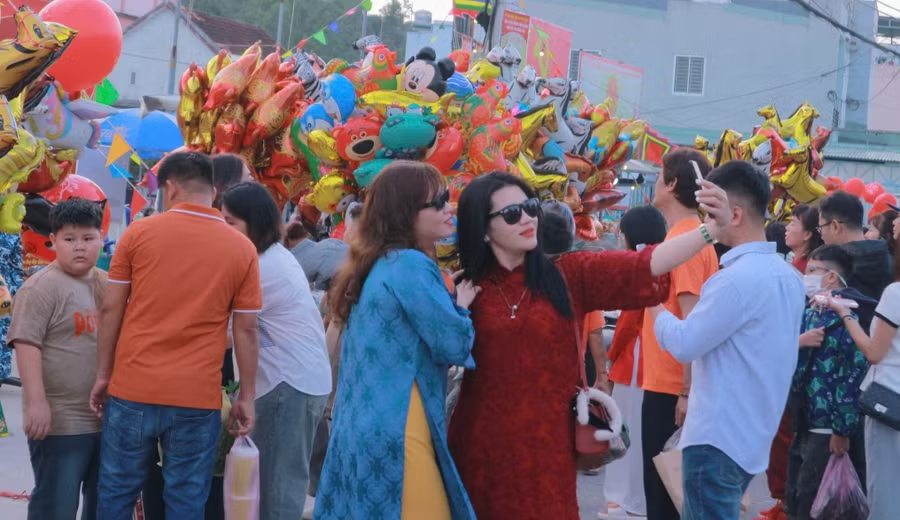
“For me, it’s almost a sacred New Year’s ritual”, said Nguyễn Đức Hóa, a native of Tuy Phước who now works in Ho Chi Minh City but returns home each year to attend the fair with his family. “It carries hopes for a peaceful and prosperous new year”.
For elderly residents such as 79-year-old Huỳnh Thị Tâm of Lục Lễ Hamlet, the tradition is deeply personal. After New Year’s Eve each year, she prepares betel leaves, areca nuts and homegrown water spinach to sell at the market. “I can’t even remember how many years I’ve been selling here — just that every year, on the first day of Tet, I come to seek a bit of good fortune,” she said.
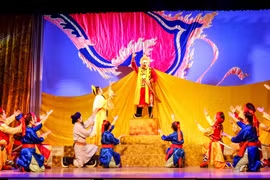
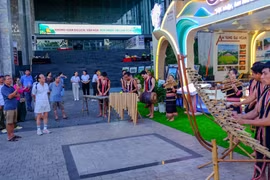
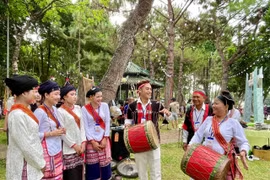
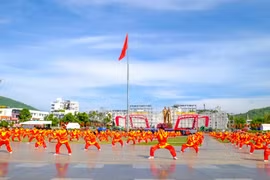
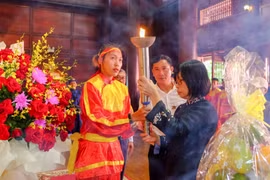
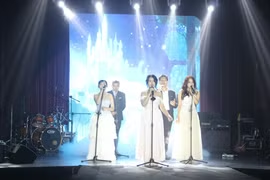
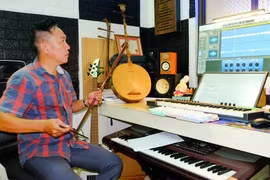
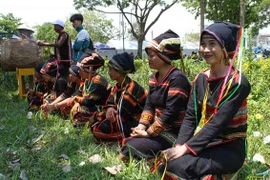
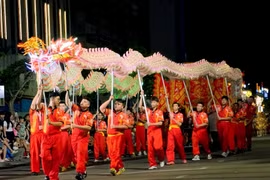
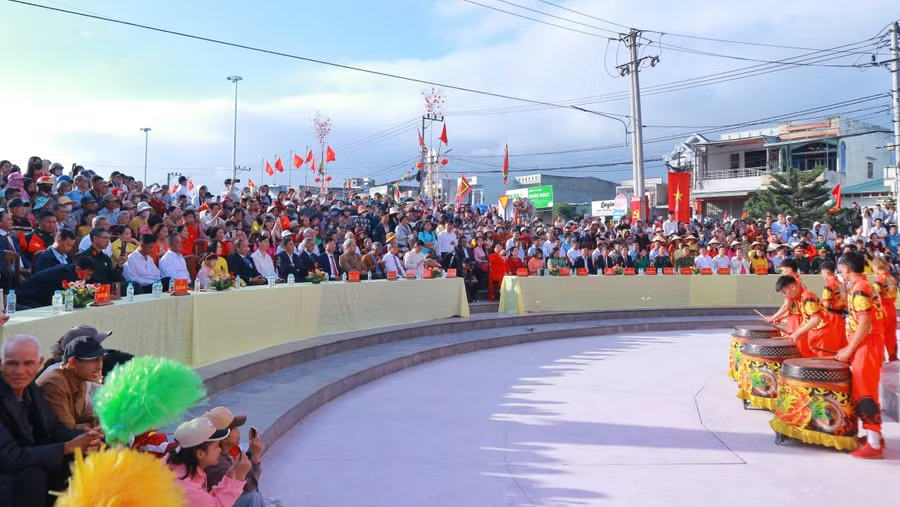
Beyond its symbolic trade, this year’s festival expanded in scale, featuring a colourful procession through the market. Performers in traditional costumes staged hát bội (classical opera), bài chòi (folk singing) and bả trạo (a fishermen’s dance), recreating scenes of villagers carrying goods to market in earlier times.
Lê Thị Vinh Hương, Secretary of the Party Committee of Tuy Phước Commune, described the festival as a distinctive cultural and spiritual destination with special significance during Tet.
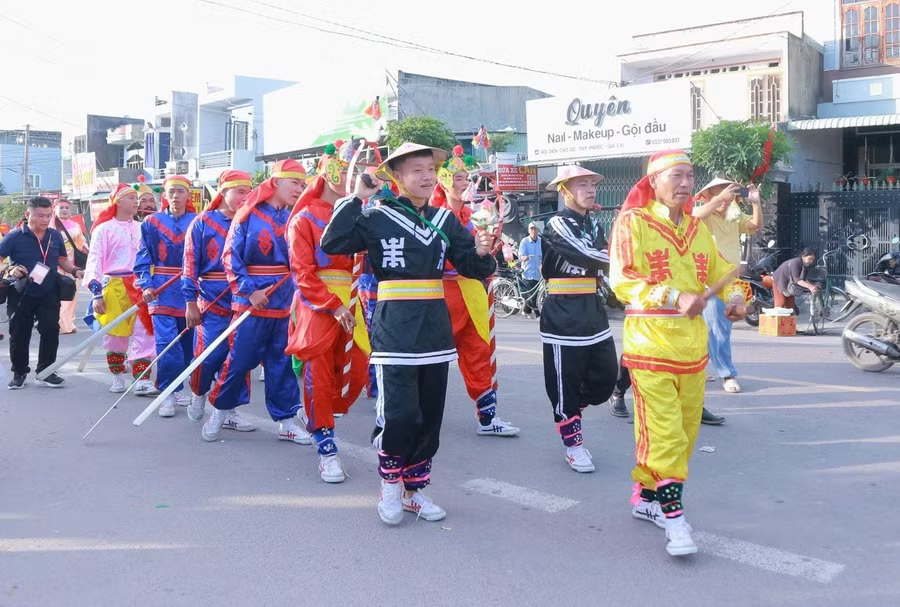
With a history spanning more than 300 years, local authorities have continued to preserve the fair’s traditional character while upgrading facilities after recent natural disasters.
Renovations have made the market more spacious and orderly, while additional activities have been introduced to create a warmer, more welcoming atmosphere for residents and visitors, she said.
Folk games, including flag snatching, “u qua”, sack races, catching catfish in jars and pot smashing, drew large crowds, reinforcing the festival’s strong community spirit and local identity.
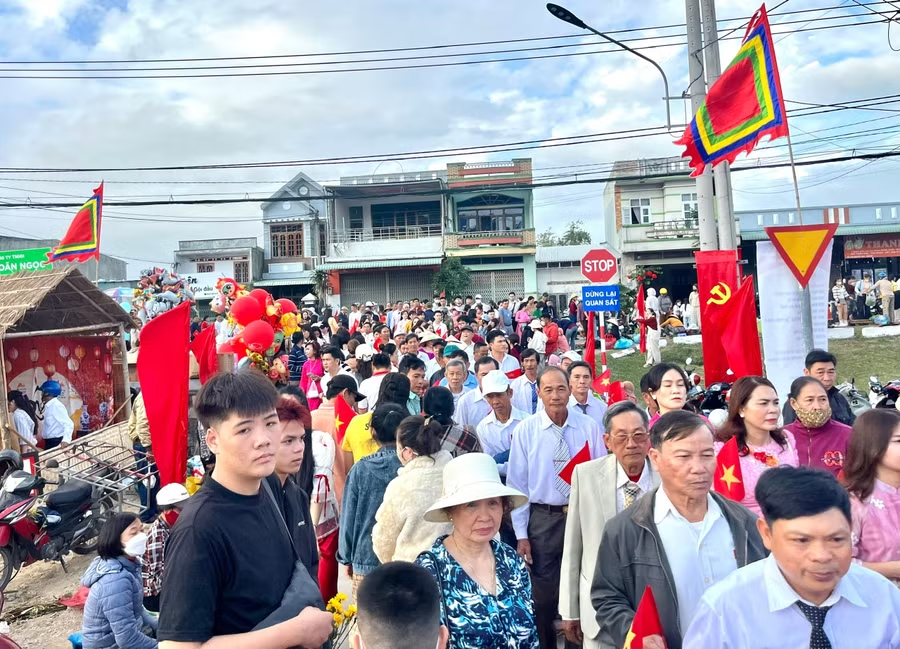
By midday, the market grew increasingly lively as streams of visitors arrived from near and far, their laughter mingling with the beat of drums echoing across the countryside, a vibrant start to the Lunar New Year.
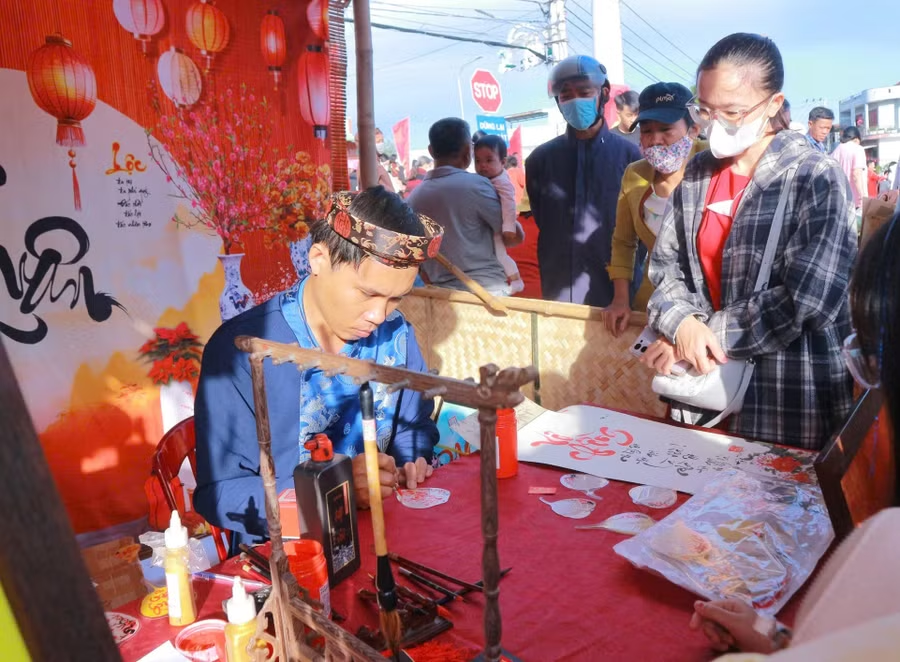
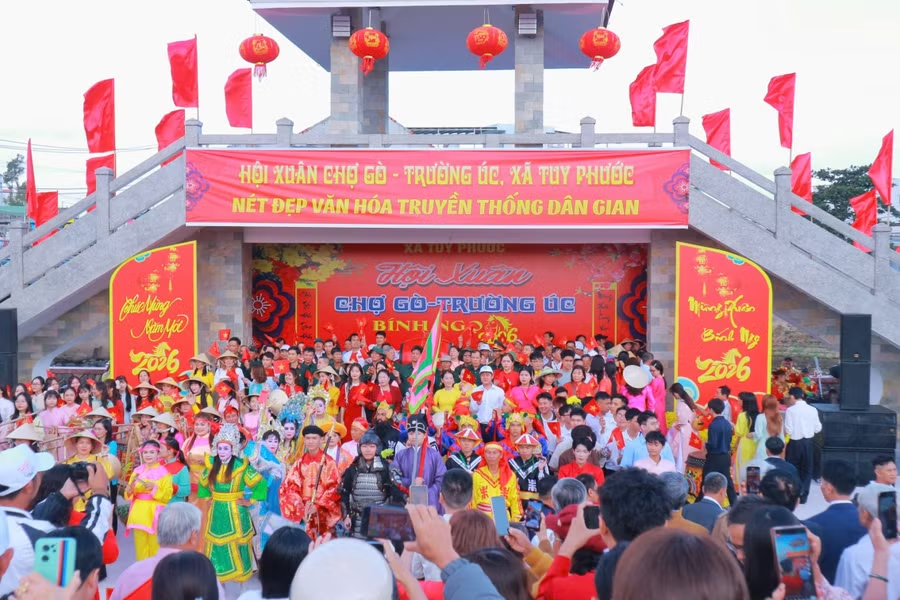
Gò Market is located beside the Tọc River, a tributary of the Hà Thanh River, in a picturesque landscape at the foot of Trường Úc Mountain (Phong Thạnh Hamlet, Tuy Phước Commune, Gia Lai Province).
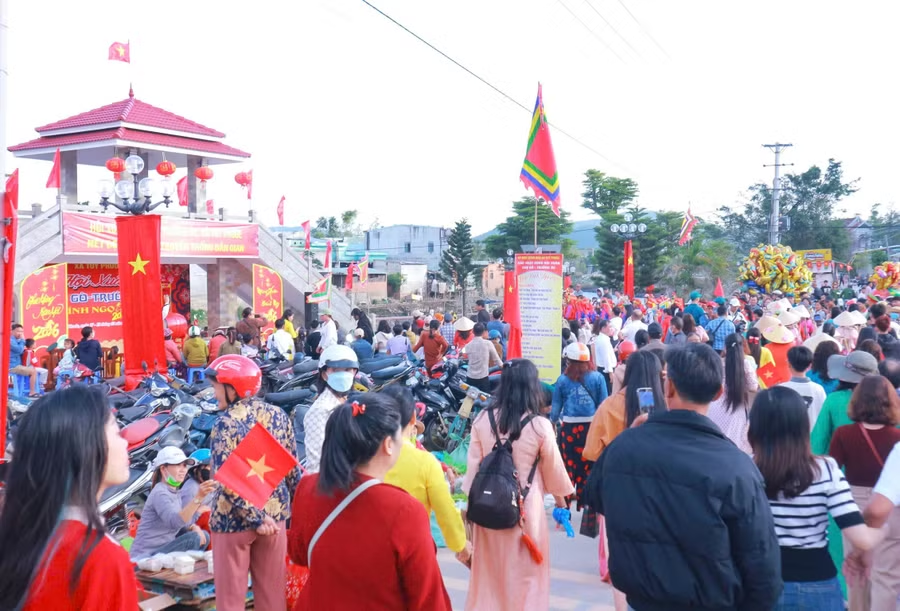
Gò Market sits atop a mound, hence its name “Gò Market – Trường Úc” (market on the mound). For nearly 300 years (since the Tây Sơn era), the Gò Market Spring Festival has been the region’s only Tet market, held just once on the first day of the Lunar New Year. It is rich in folk cultural value, formed and preserved as a traditional beauty of the Vietnamese people. From the early dawn of the first day of Tet, crowds of locals and visitors from all directions come to Gò Market to enjoy the spring, trade, exchange good fortune for the new year, and pray for luck for their families and for good matches for young men and women.