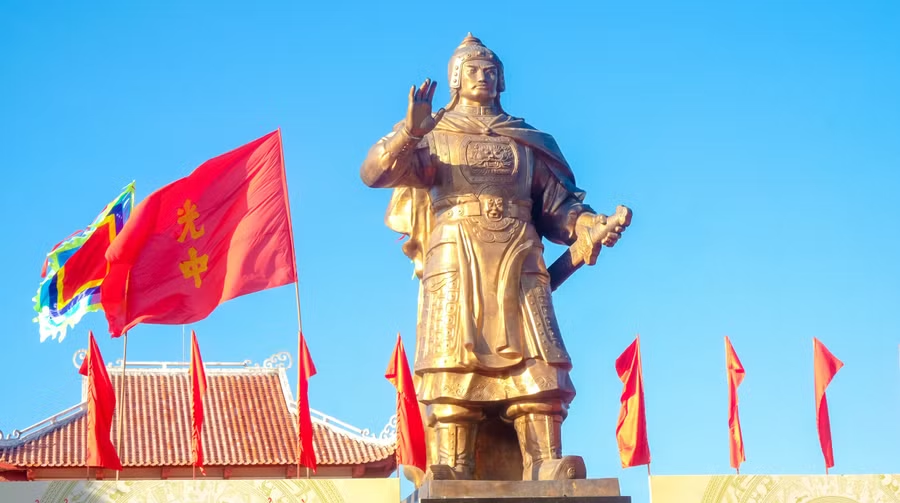
In late 1788, as 290,000 Qing troops advanced into Thăng Long, Nguyễn Huệ declared himself Emperor Quang Trung and launched an immediate northern counteroffensive. The Tây Sơn army’s rapid march from Phú Xuân to Bắc Hà, completed in time to defeat the Qing on the fifth day of the Lunar New Year, remains one of the fastest military advances recorded in Vietnamese history.
Contemporary accounts, including Hoàng Lê nhất thống chí, described the Tây Sơn troops as moving “as swiftly as the wind”, striking with such speed that Qing forces had no chance to react. Cavalry mobility was central to this momentum, serving as the spearhead for breakthroughs, rapid pursuit and coordinated assaults alongside infantry and war elephants.
Research cited in Hùng tượng, Lương mã notes that the South Central region served as a “cradle of horses,” supplying the Tây Sơn with large numbers of pack and warhorses essential to the army’s high mobility. The Đại Nam thực lục records that Nguyễn forces captured 500 Tây Sơn horses in the 1802 Battle of Trấn Ninh, underscoring the considerable scale of the cavalry units deployed in major campaigns.
From the highlands through the coastal plains of the Tây Sơn thượng đạo – hạ đạo route, the cavalry enabled lightning-fast movements across vast distances. This mobility was pivotal in coordinated operations during the 1789 campaign.
At Ngọc Hồi, infantry advanced under shield formations, war elephants applied pressure at the front, and cavalry forces exploited critical openings to break Qing defenses. At Đống Đa, the cavalry’s pursuit capabilities became decisive as they cut off escape routes and drove fleeing troops into disarray.
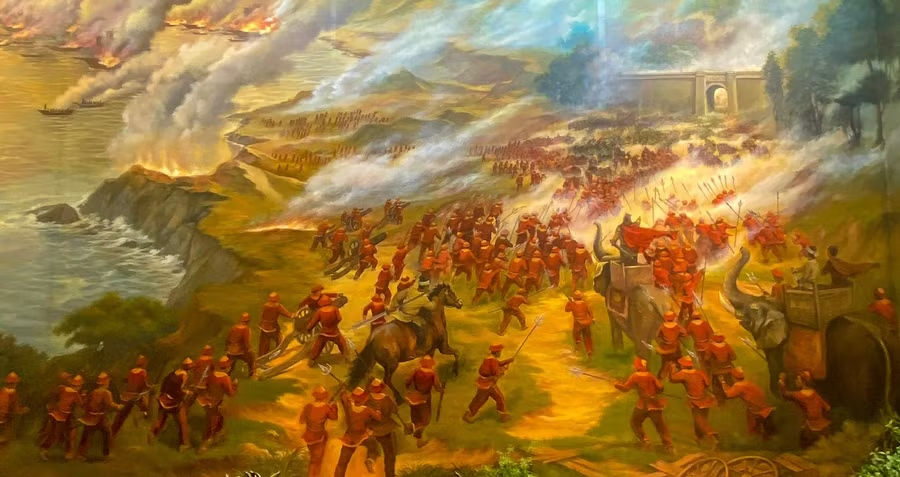
Cavalry served as the instrument that transformed the commander’s will into swift battlefield action, denying the enemy time to regroup or mount counterattacks. This tactical speed, coupled with organization and determination, cemented the Tây Sơn cavalry as a core factor behind Quang Trung’s landmark victory.
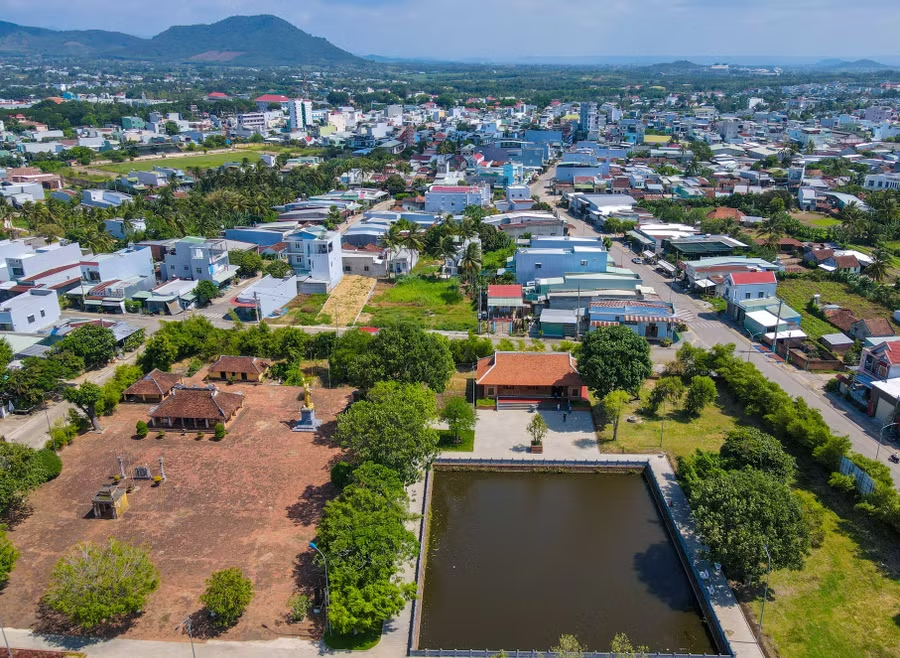
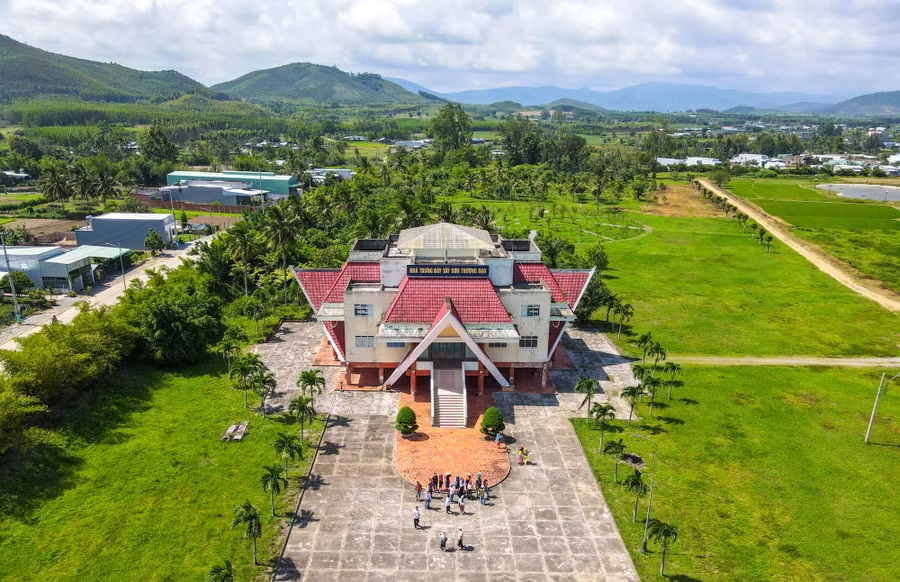
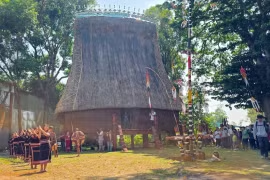
More than two centuries later, the image of Tây Sơn horsemen charging through the spring of 1789 endures as an emblem of resilience and national pride. Rooted in the cultural landscape of Gia Lai and the broader Tây Sơn movement, it reflects a tradition of bold strategy, martial spirit and aspirations for autonomy shaped by the region’s mountains and steppes.
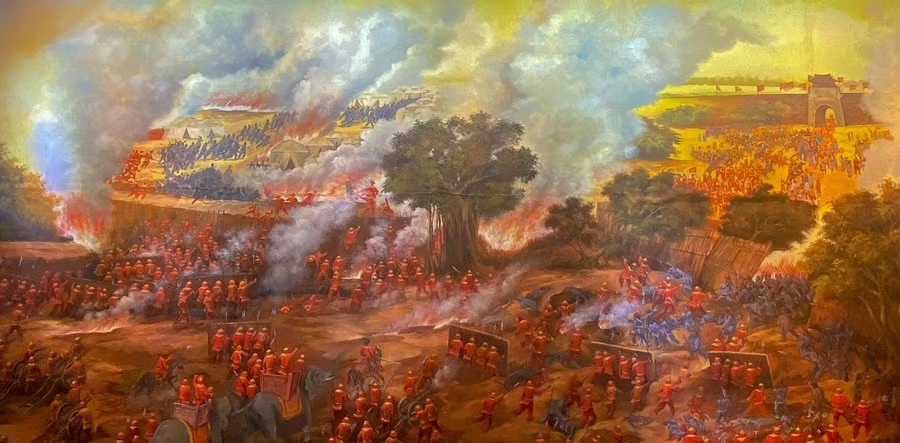
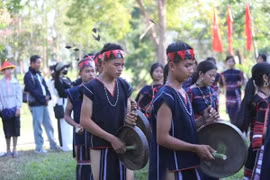
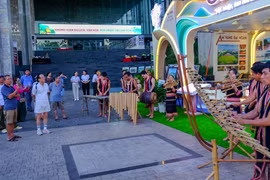
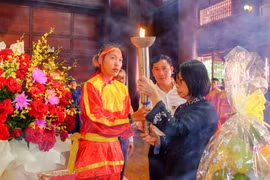
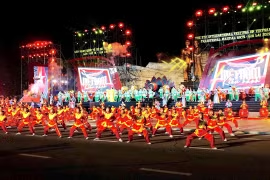
Today, efforts to preserve and promote Tây Sơn heritage continue to draw on the symbolism of the cavalry. Its legacy is carried into festivals, museums and educational initiatives aimed at inspiring patriotism among younger generations.
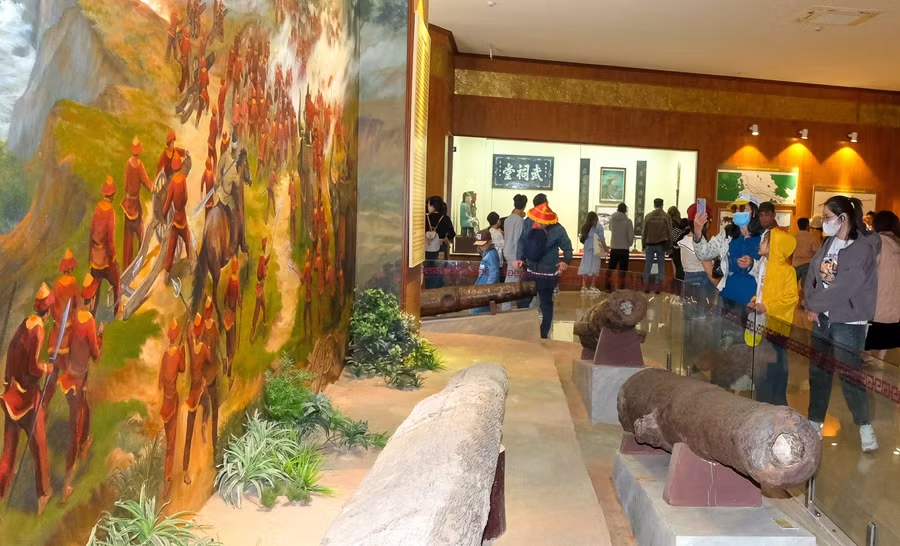
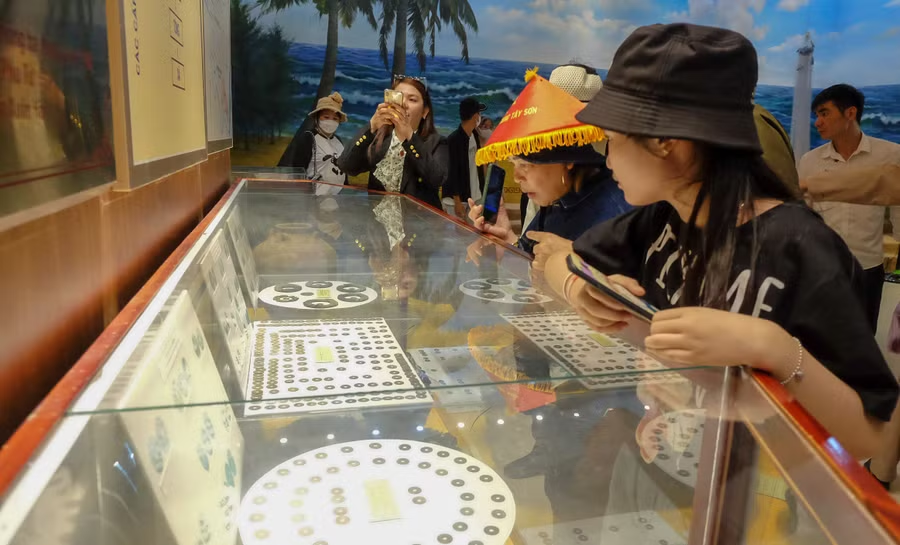
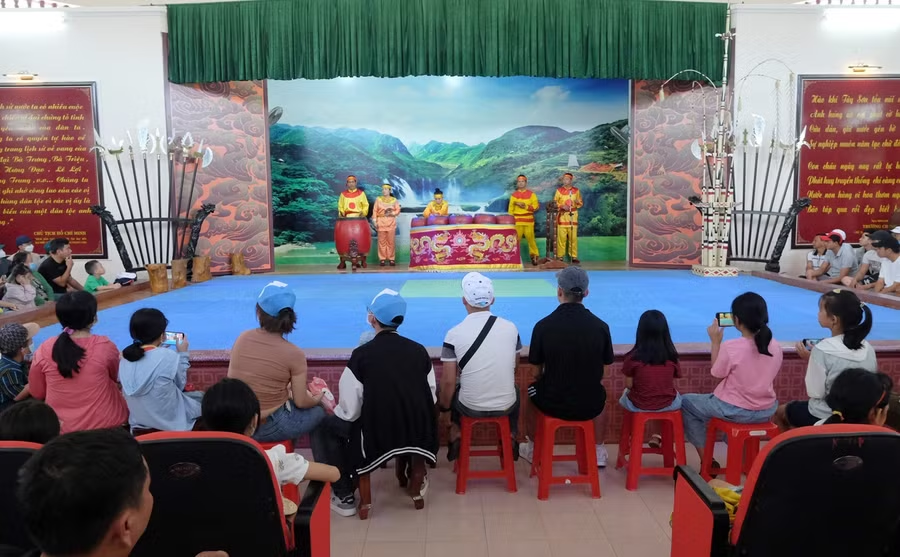
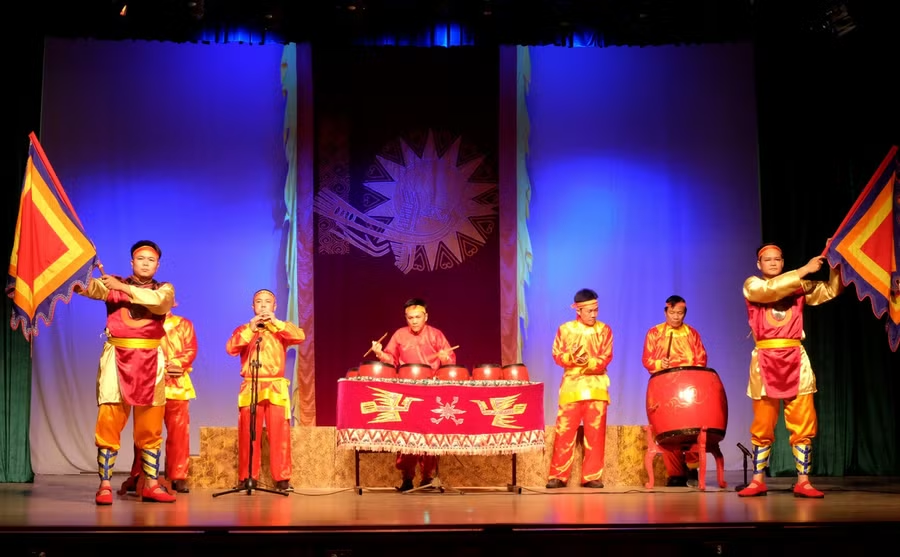
The triumph at Ngọc Hồi–Đống Đa stands as an enduring epic of Vietnam. Within that narrative, the thunder of Tây Sơn hooves remains a reminder of the power that emerges when determination, organization and national will converge, an enduring inspiration for Gia Lai’s ongoing development.