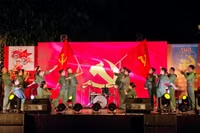
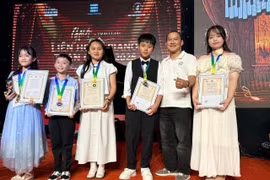
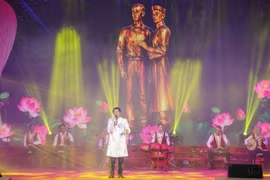
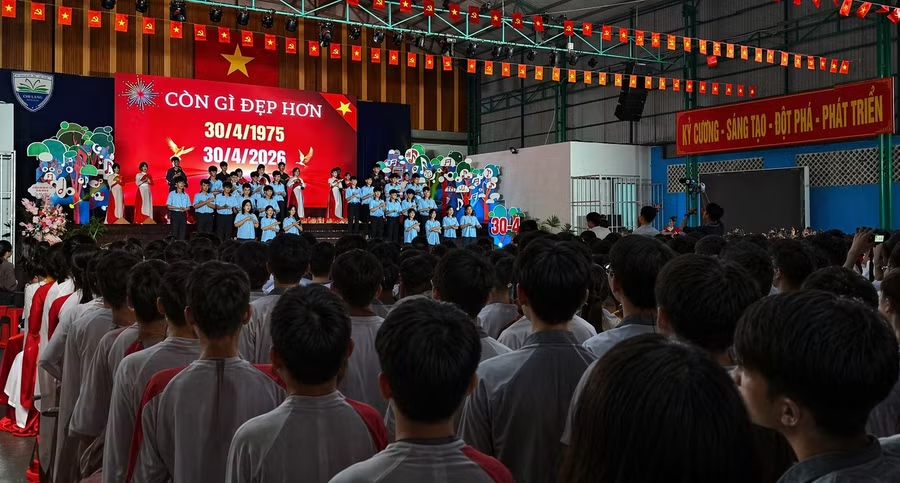
At Sao Viet Primary, Secondary and High School in Pleiku Ward, a recent festival marking the 51st anniversary of the Liberation of the South and National Reunification showcased how music and performance can deepen students’ understanding of the past.
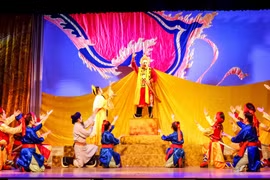
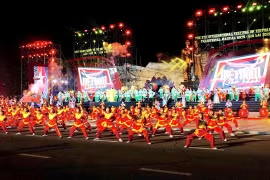
The event, themed “Continuing the epic”, featured students of all ages presenting performances structured around three chapters: Memory and roots, following in their footsteps, and aspiring higher.
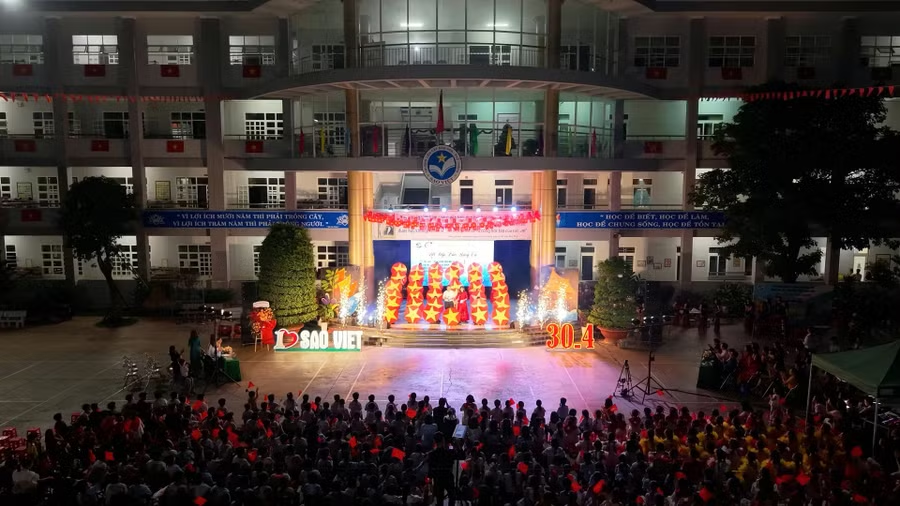
Through dramatized performances, students portrayed soldiers, heroic mothers and everyday wartime life, offering audiences a more tangible connection to historical events. This role-playing approach allowed history to unfold not as abstract dates, but as lived experiences.
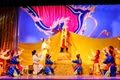
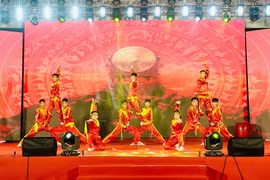
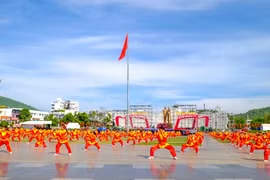
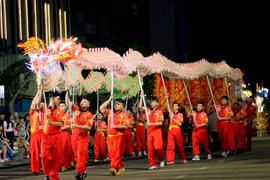
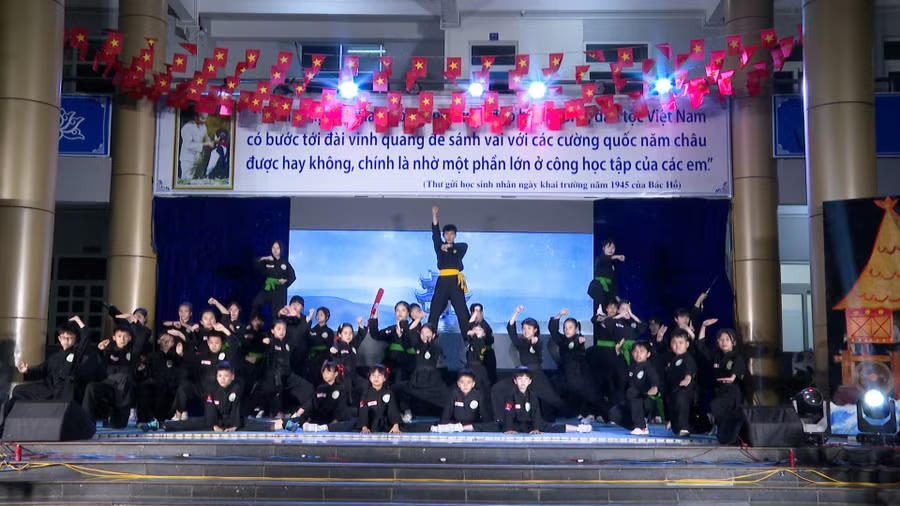
One of the standout acts came from the school’s Traditional Martial Arts Club, which combined routines such as Thanh Long Doc Kiem and Phong Hoa Dao with the song “Descendants of the Dragon and Fairy.” The performance blended physical discipline with cultural storytelling, reinforcing traditional values alongside historical themes.
Teacher Phan Đình Khoa, who leads the club, said integrating martial arts into school performances helps preserve national identity within an educational setting, while also engaging students more actively.
For many students, preparation for these performances becomes a process of discovery. Lê Hoàng Bảo Bảo, a sixth-grade student, said participating in the April 30 programme made her feel both proud and more aware of the historical meaning behind her role.
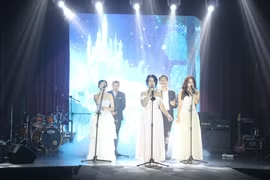
A similar approach is being adopted at Chi Lăng High School in Hội Phú Ward, where students are preparing for the fifth Revolutionary Song Festival. Following preliminary rounds, 16 performances were selected for the final gala, with students taking the lead in both research and choreography under teacher guidance.
Principal Đỗ Bách Khoa said this method encourages active learning. By researching the historical background of each song, students engage directly with the material rather than passively absorbing it.
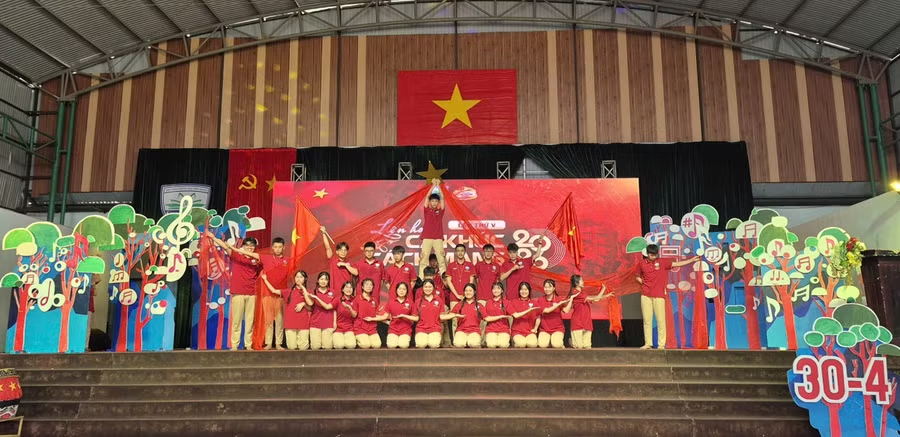
Students say the process has a strong emotional impact. Trần Trân, a 10th-grade student, said studying the historical context behind her performance helped her better understand the sacrifices of previous generations.
Educators note that stepping into historical roles allows students to internalize lessons more effectively than traditional classroom instruction. By combining music, performance and research, schools are creating a more immersive and meaningful approach to history education.
Beyond Pleiku, similar programmes are being maintained in schools across the region. At Quốc Học Quy Nhơn High School, a cultural event at the start of 2026 also highlighted songs tied to historical themes, reinforcing the broader trend of integrating arts into education.
Students there echoed similar sentiments, saying that researching the background of each performance made historical knowledge feel more natural and engaging, rather than imposed.
As these initiatives expand, revolutionary music is emerging as a powerful educational tool—bridging past and present while fostering cultural awareness among younger generations.