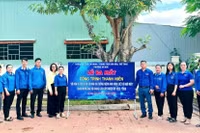
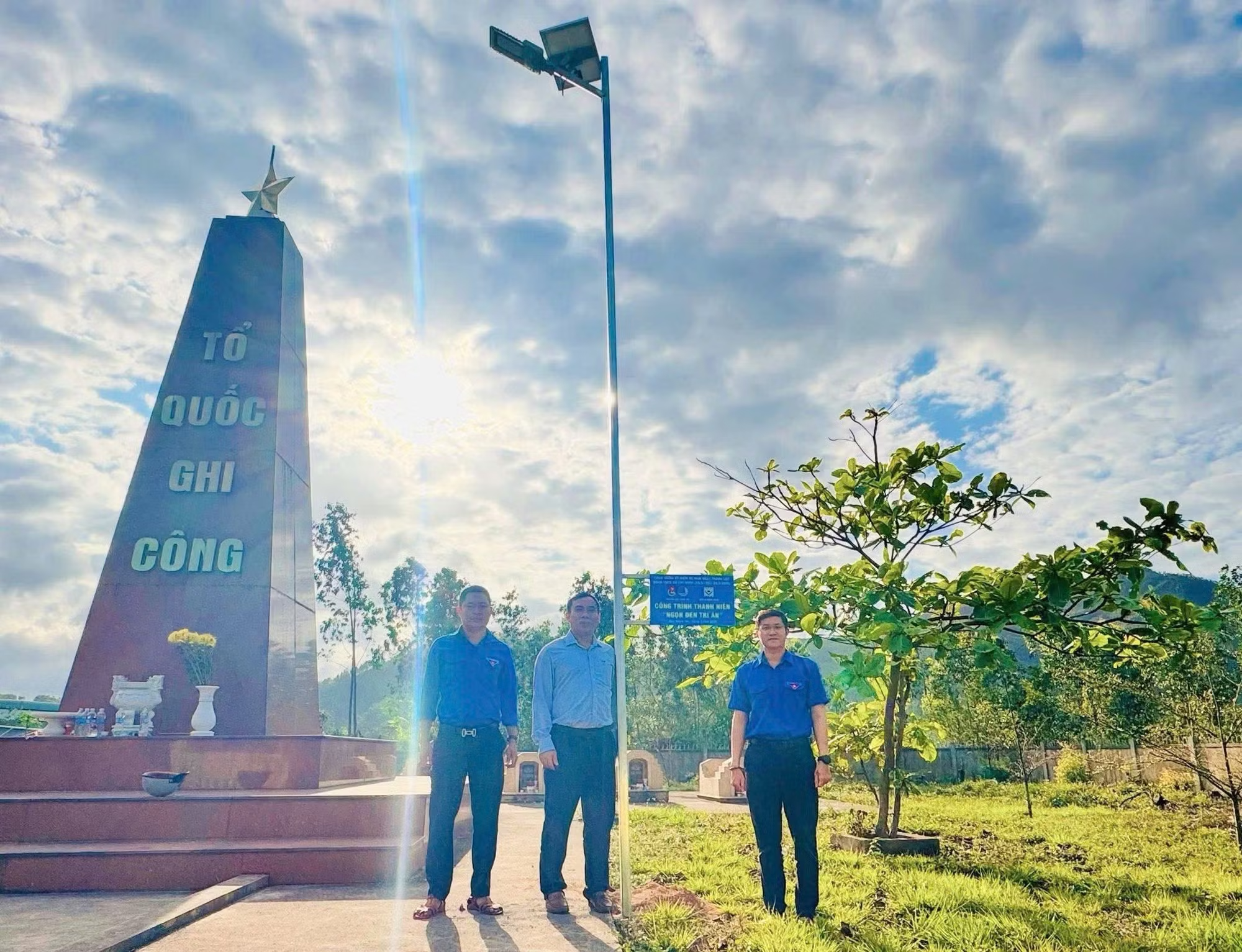
Across the province, Youth Union groups have launched a range of initiatives to preserve and enhance these sites. In mid-March, the Quy Nhon Tay Ward Youth Union installed two solar-powered lamp posts at the local martyrs’ cemetery under the “gratitude light” project, funded at 8 million VND (approximately $320) by Hung Loi Technology Co., Ltd.
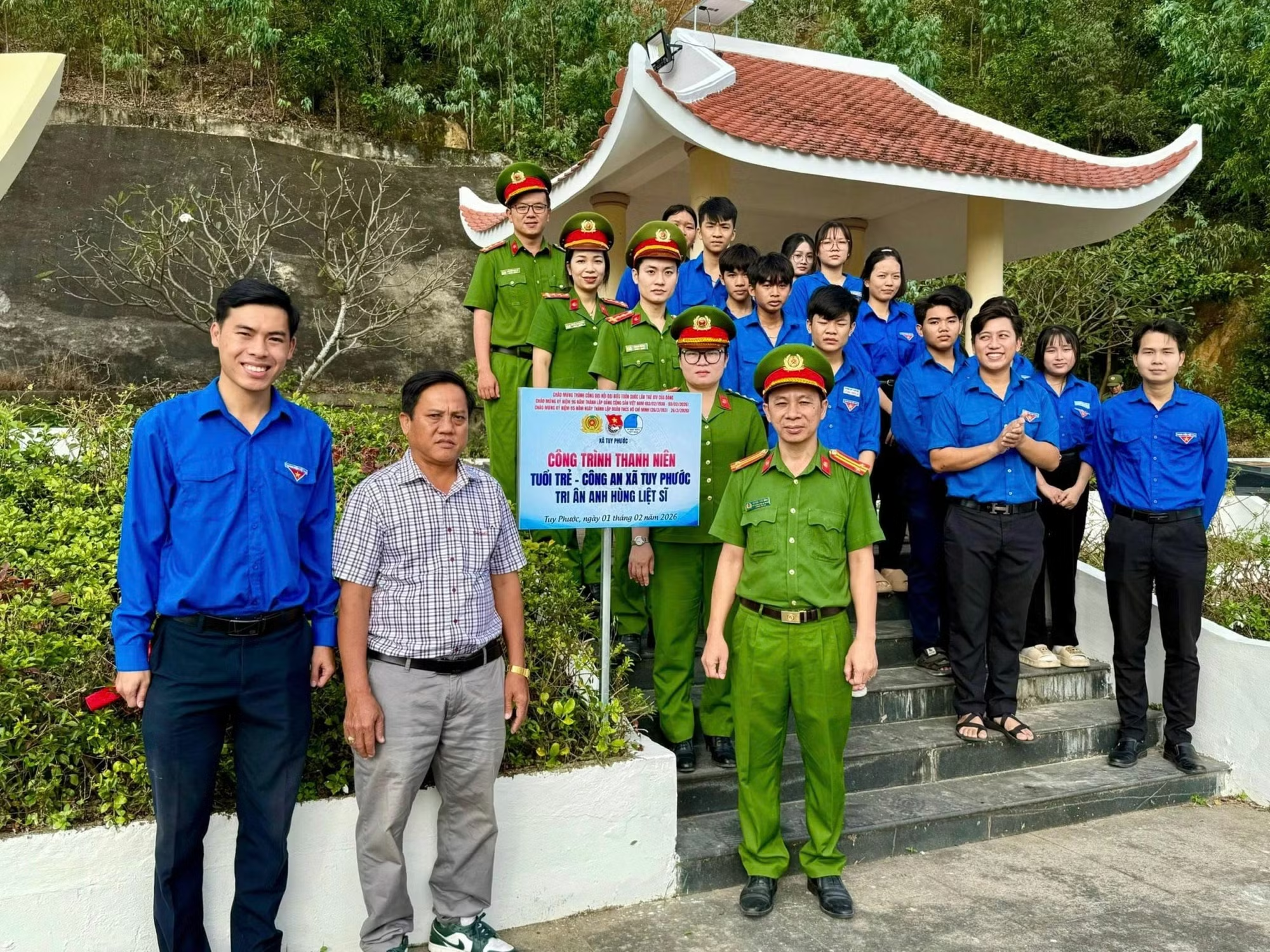
Earlier, the Tuy Phuoc Commune Youth Union, in coordination with local police, carried out restoration works at the Dieu Tri martyrs’ cemetery. The project included repainting structures, repairing facilities, installing granite cladding, and upgrading lighting with six solar-powered lamps. The total cost reached 92 million VND (approximately $3,680), funded by corporate sponsors.
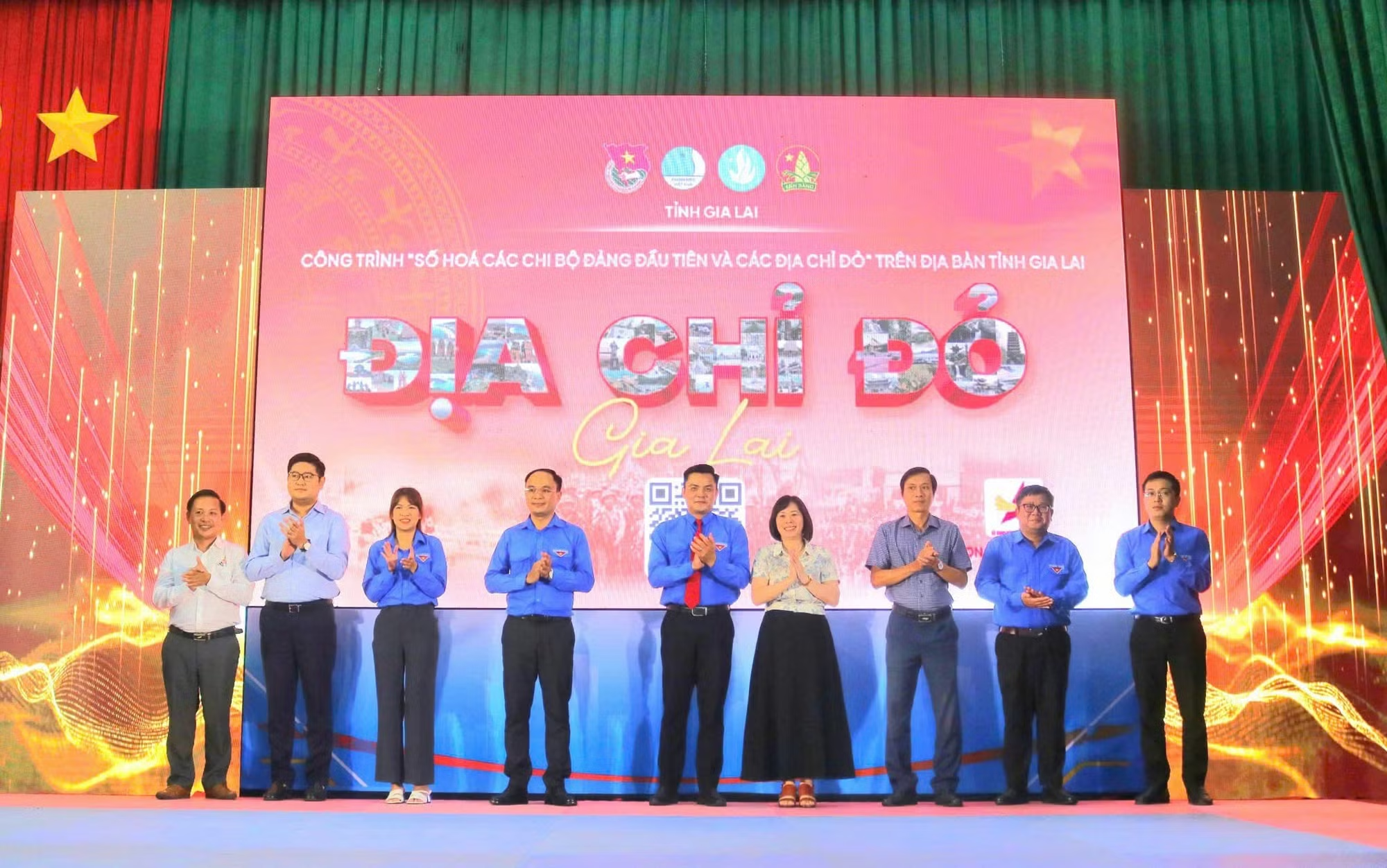
Beyond physical restoration, youth groups are accelerating the digitalization of these sites to modernize historical education. The Provincial Youth Union and affiliated organizations have launched a project to digitize early Party cells and key revolutionary locations. These include sites such as the Cuu Loi, Hong Linh, and An Khe Party Cells, as well as the Pleiku Prison Party Cell and other historically significant locations.
Through a dedicated digital platform, users can explore these sites using interactive tools including QR codes, digital maps, 360-degree imagery, and multimedia storytelling, providing an immersive learning experience.
Local Youth Union units have also initiated their own digital projects. One example is the digitalization of the Quy Nhon Power Plant Party Cell, enabling members to access historical content through QR codes and digital archives. According to Youth Union representatives, these efforts not only preserve history but also actively involve young people in digital transformation.
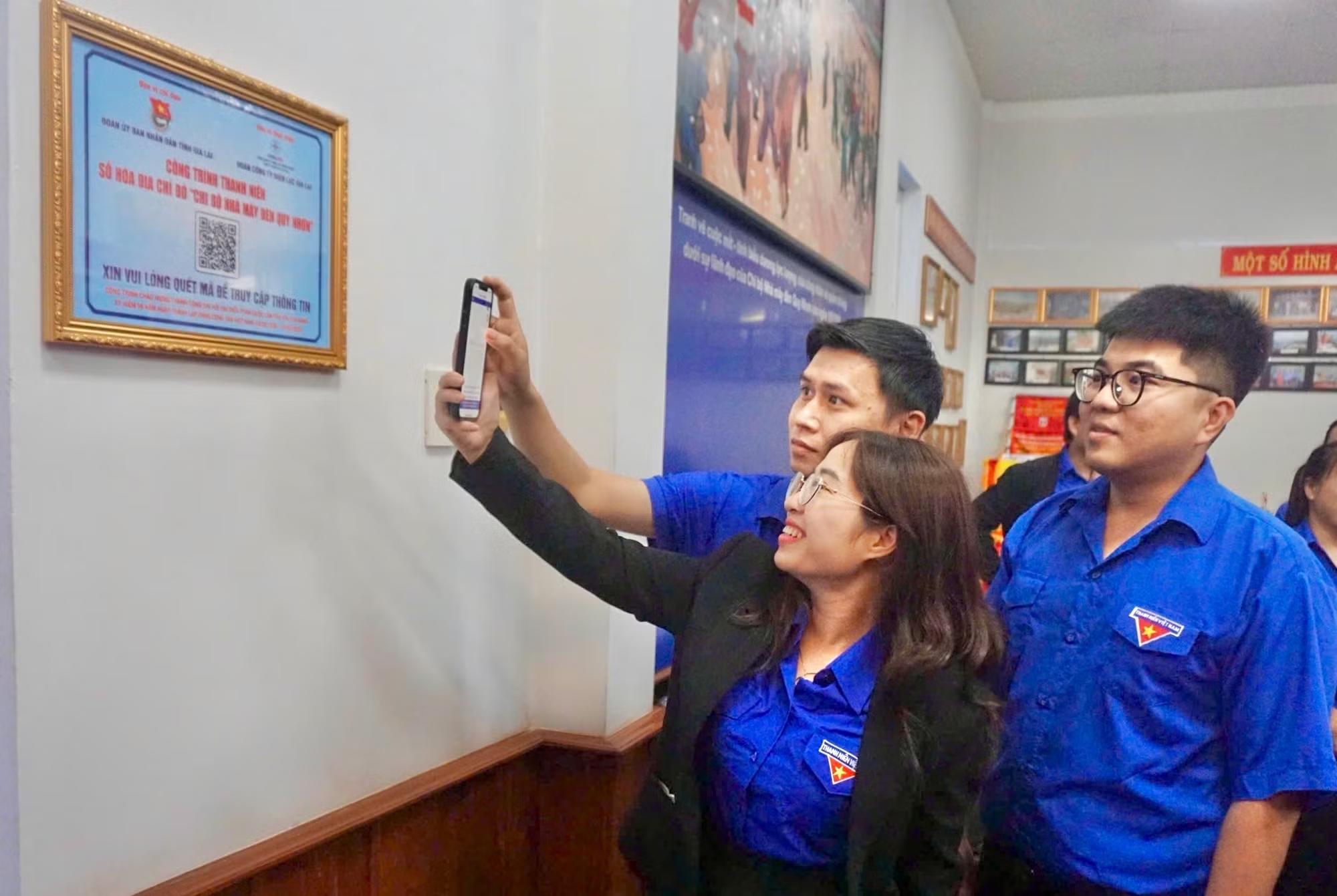
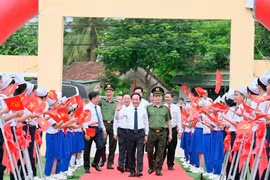
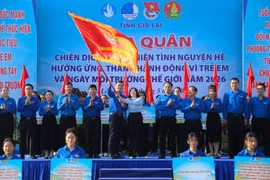
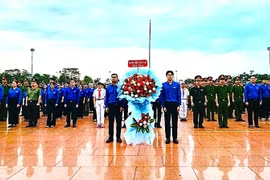
At the same time, “red addresses” are increasingly used as venues for political, cultural, and educational activities. Provincial-level programs such as the launch of Youth Month and the tree-planting festival “Forever grateful to Uncle Ho” have been held at key historical sites, alongside “youth in action day” events.
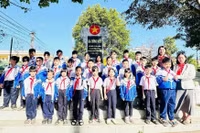
During Youth Month 2026, many organizations arranged “return to the roots” journeys. Activities included visits and commemorations at historical battle sites, memorials, and prisons, offering participants direct engagement with the country’s past.
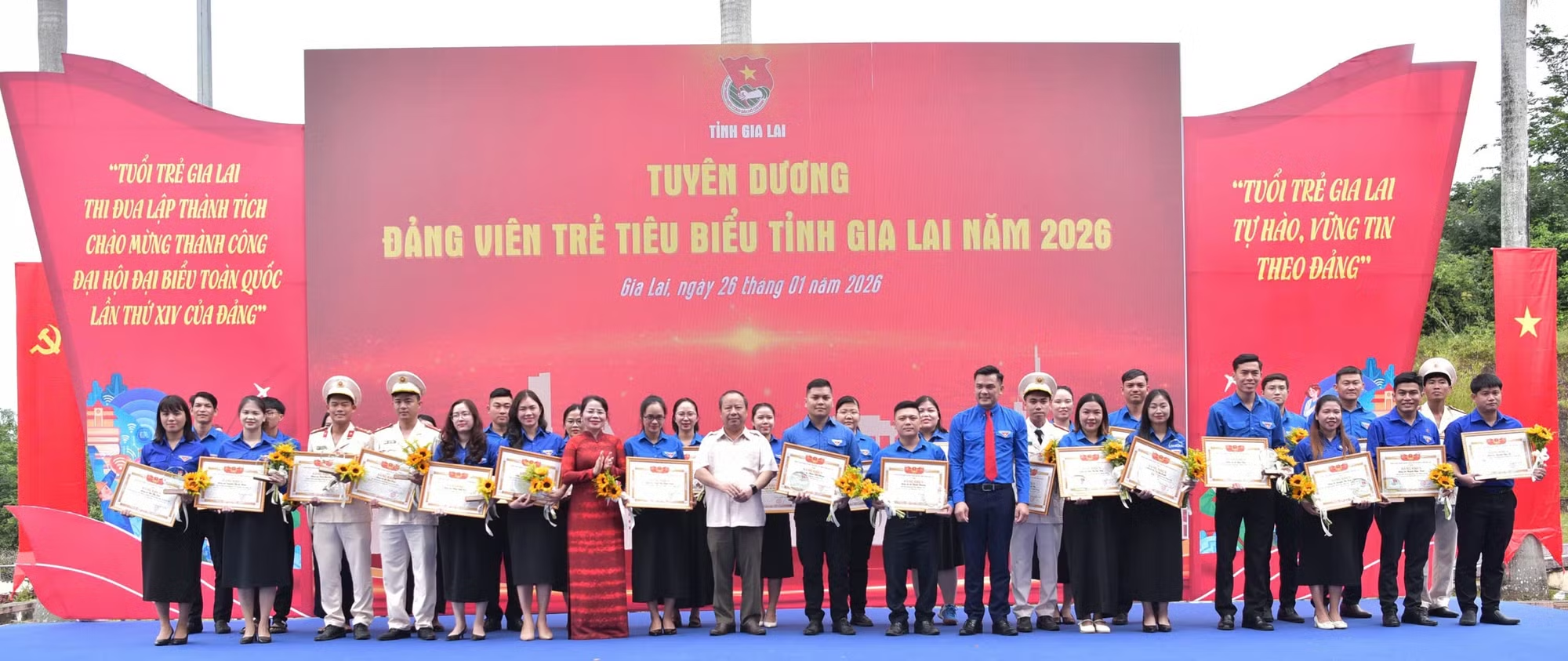
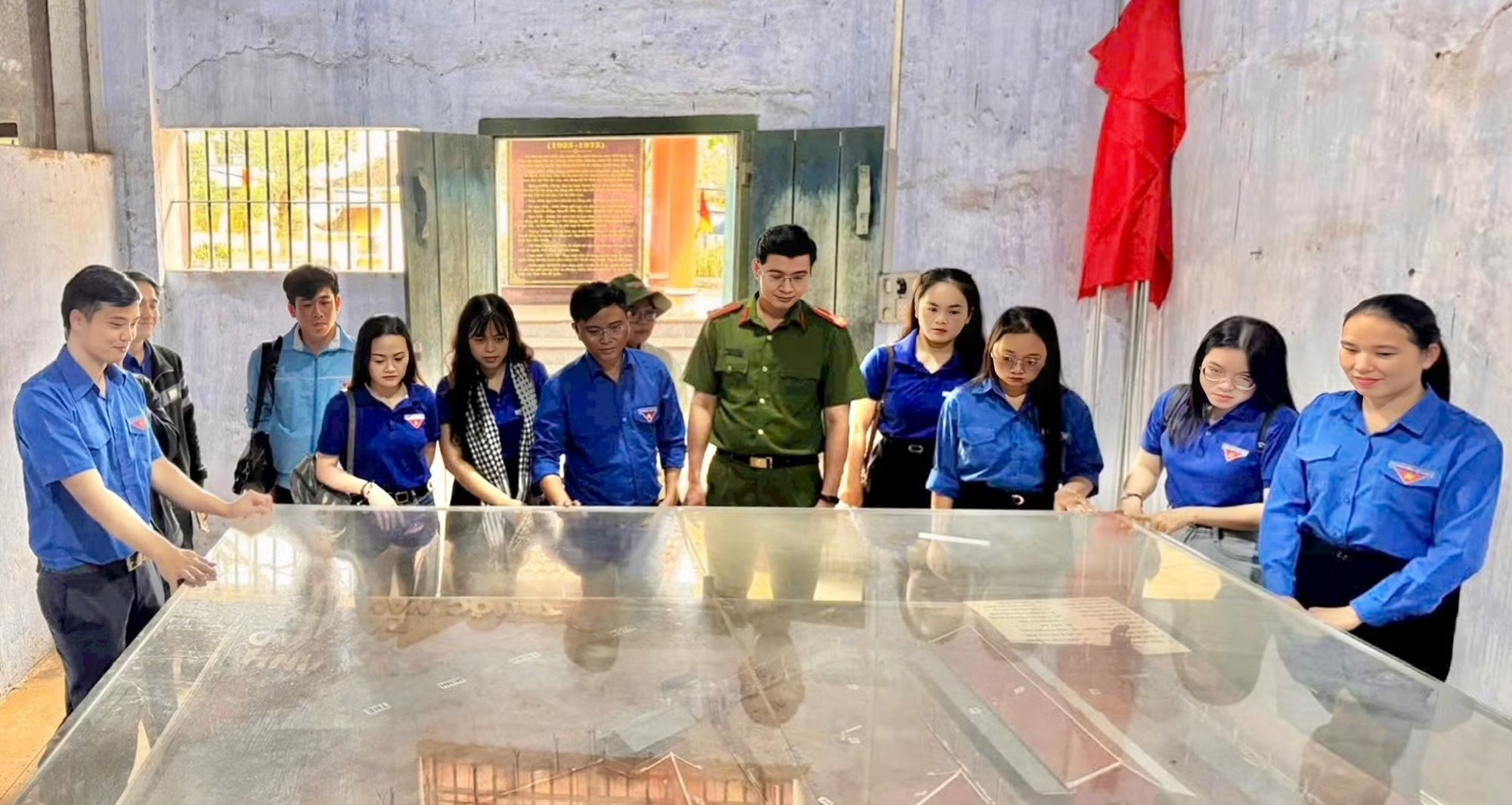
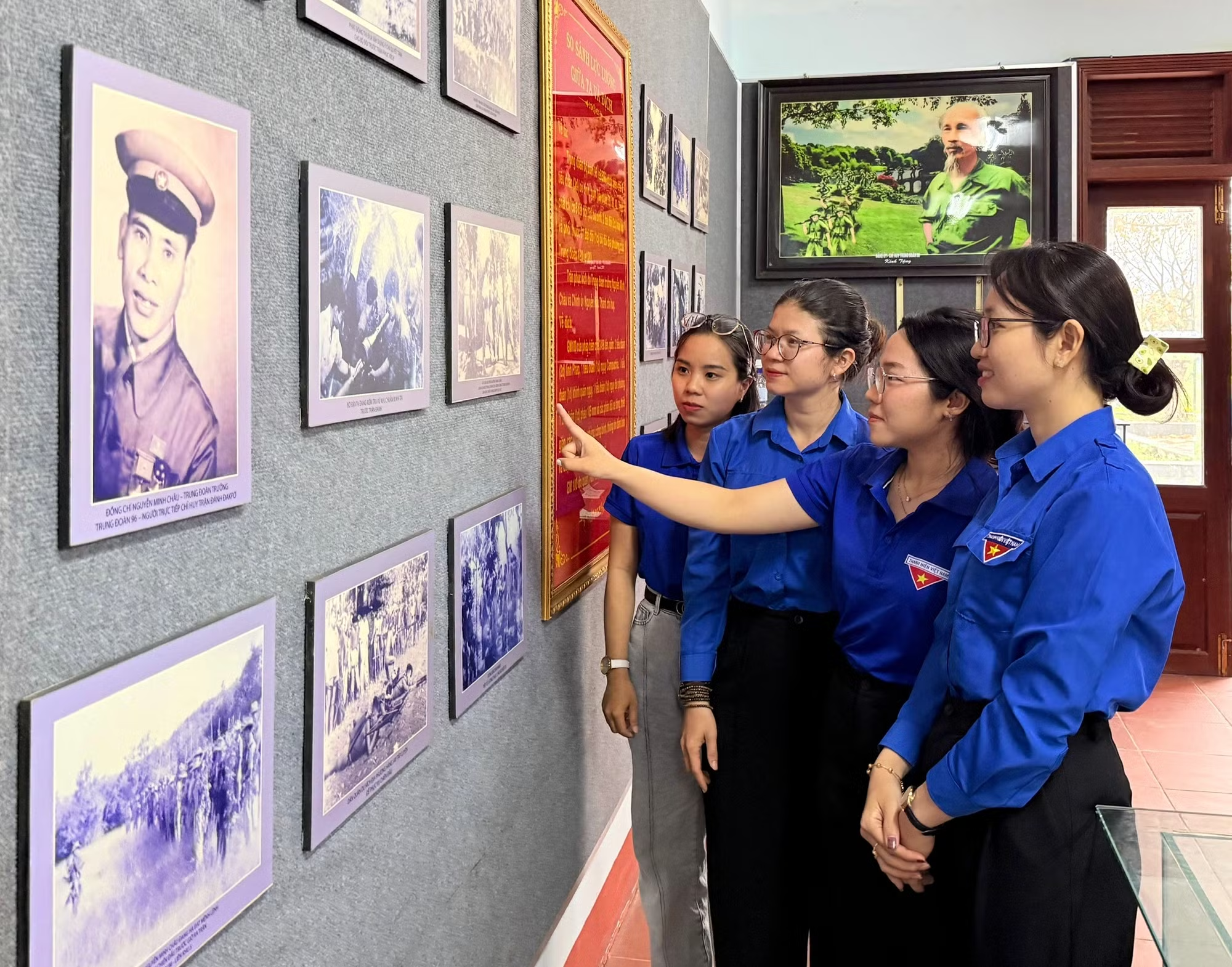
Participants say these visits deepen their understanding of history and strengthen their sense of responsibility. For many, firsthand exposure to historical narratives reinforces appreciation for past sacrifices and motivates continued contributions to society.
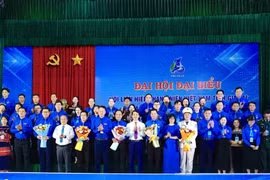
Such activities also mark important milestones for Youth Union organizations. On March 22, a newly established youth branch held its first event at a historical site linked to troop movements during 1954-1955, combining commemoration with organizational development.
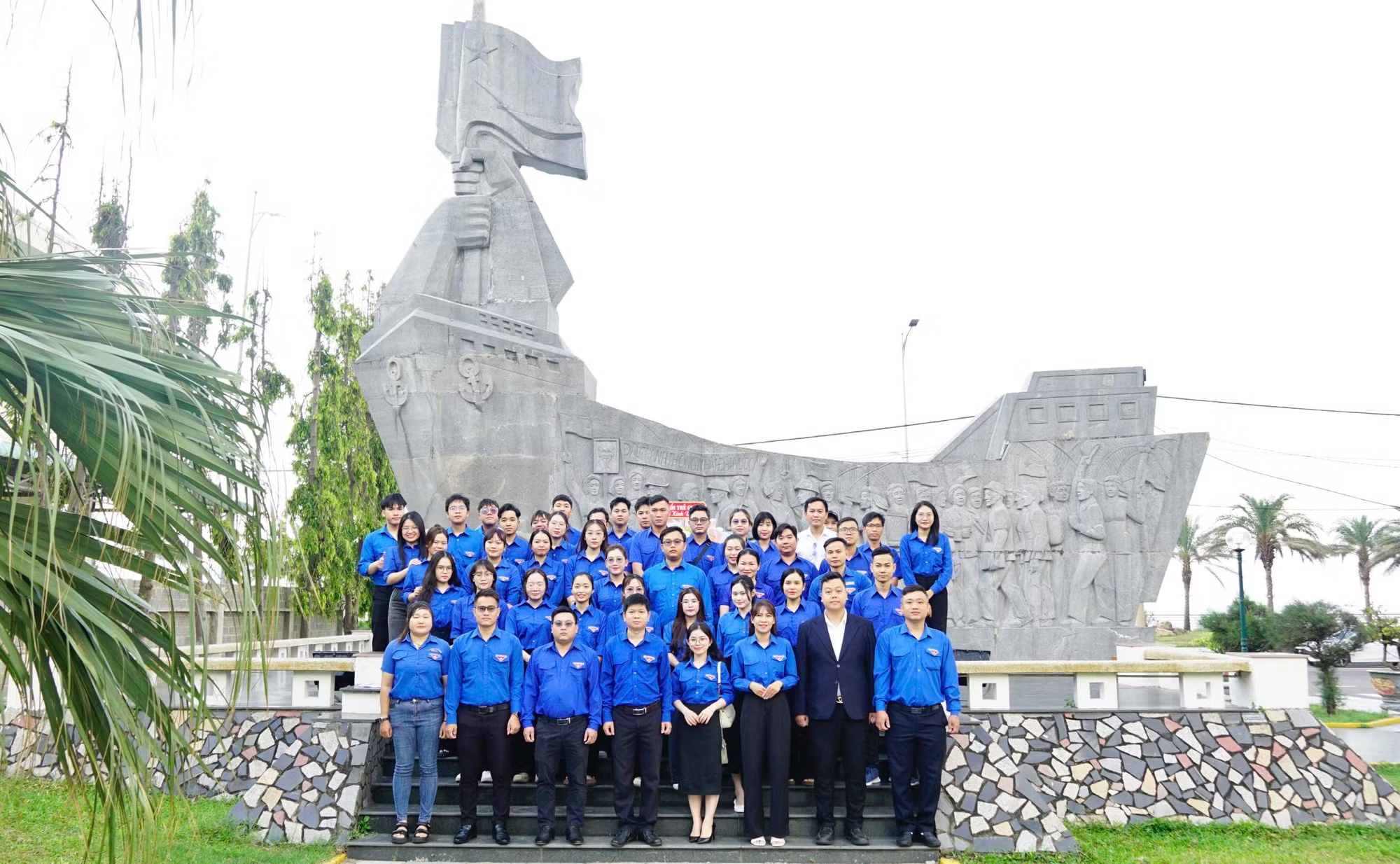
Through restoration, digital innovation, and educational programming, Vietnam’s youth are reshaping how revolutionary heritage is preserved and experienced, ensuring its relevance for future generations.