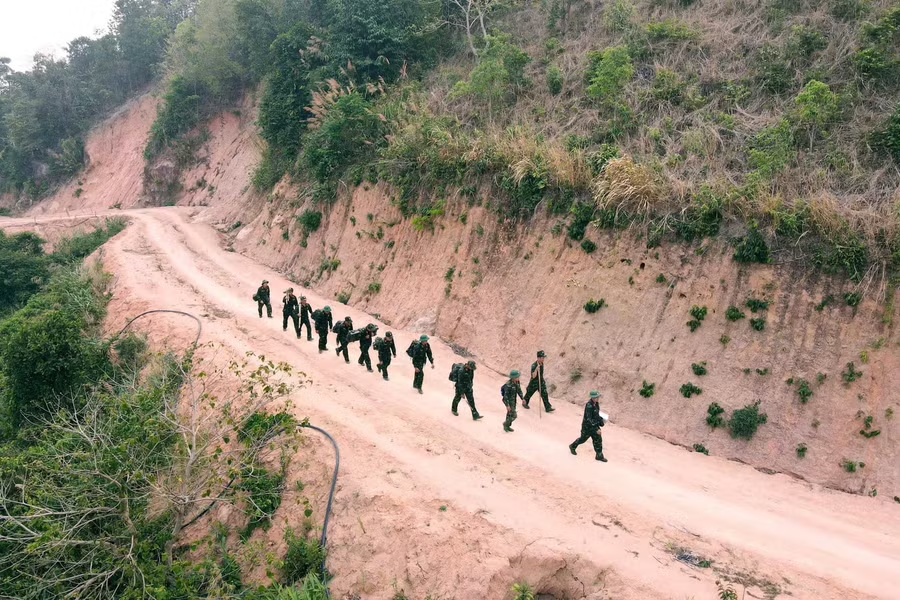
The caves, located near Doch 1 village in Ia Ly commune, Gia Lai province, once served as shelters and a field hospital for wounded soldiers between 1968 and 1973. Recent operations have uncovered not only human remains but also wartime artifacts, offering new leads in the decades-long search for missing martyrs.
Rising more than 1,485 meters above sea level, the Chư Pa - Ia Kreng mountain range features a cave network stretching roughly 1,000 meters, with some chambers exceeding 20 meters in width. During the war, the site held strategic importance, overlooking large areas of Gia Lai, former Kon Tum, and border regions with Laos and Cambodia.
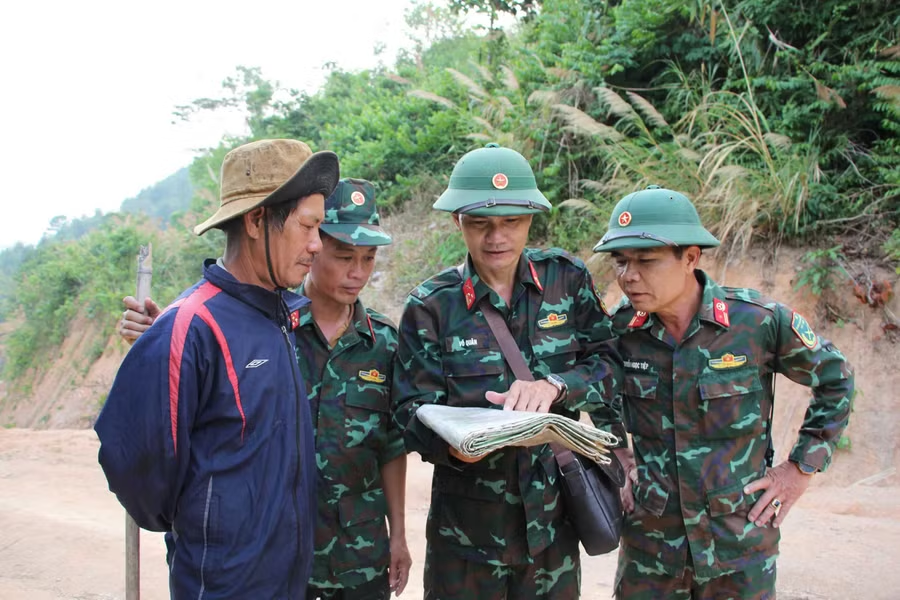
According to Lieutenant Colonel Võ Quân, Deputy Leader of the Martyrs' Remains Recovery Team under Corps 34, historical records show the area once hosted multiple units of the Tây Nguyên Front, including the 24th, 66th, 609th, and 320th Regiments, along with logistics and advisory forces. However, identifying burial sites has proven increasingly difficult as terrain and memory have changed over time.
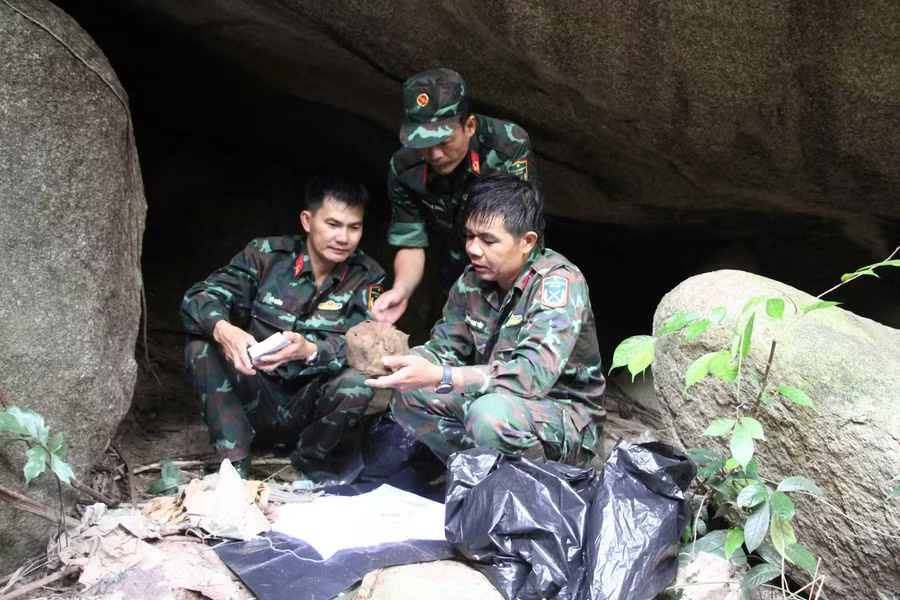
Since 2020, the recovery team has conducted repeated missions in the area, navigating steep slopes and exploring deep cave systems under hazardous conditions. Inside the caves, teams often encounter narrow passages, low oxygen levels, unstable rocks, and wildlife, complicating the search.
In April 2026, further surveys led to the discovery of additional relics, including ponchos, hammocks, ammunition belts, insignia, metal bowls, communication wires, and medicine bottles. These items are considered critical evidence in locating burial sites.
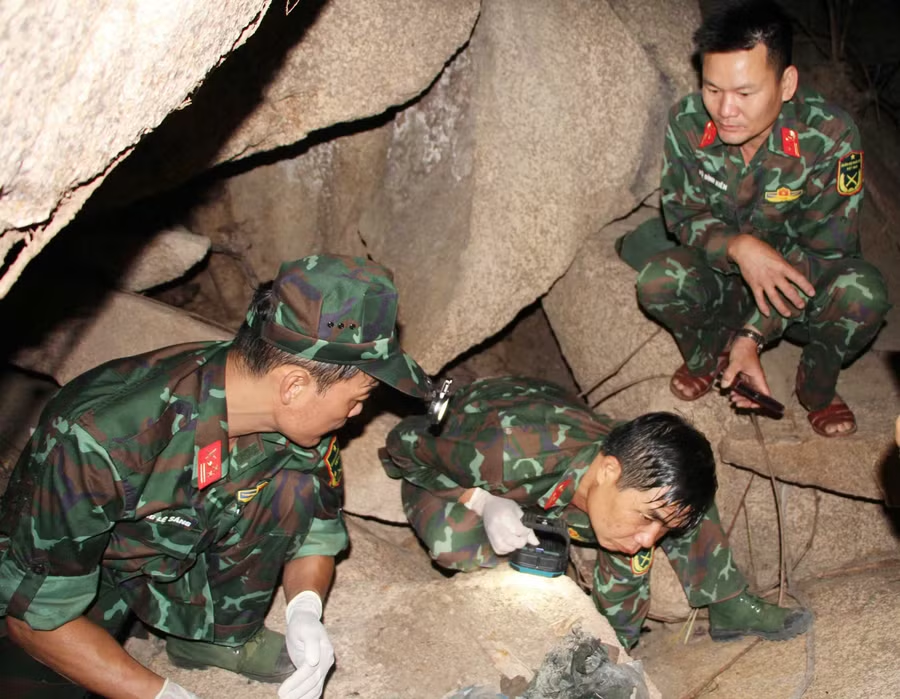
Lieutenant Colonel Giang Lê Sáng, Political Commissar of the unit, emphasized strict safety protocols during operations, noting that even the smallest trace could lead to significant findings. Despite these efforts, shifting terrain, buried cave entrances, and fading witness accounts continue to hinder progress.
Local residents have played a crucial role in providing information. In 2019, a villager identified as A Hải reported discovering wartime objects and bone fragments while exploring a cave. His report led to the recovery of 24 martyrs’ remains. Similarly, another resident, A Rét, later guided authorities to a separate cave where five additional remains were found.
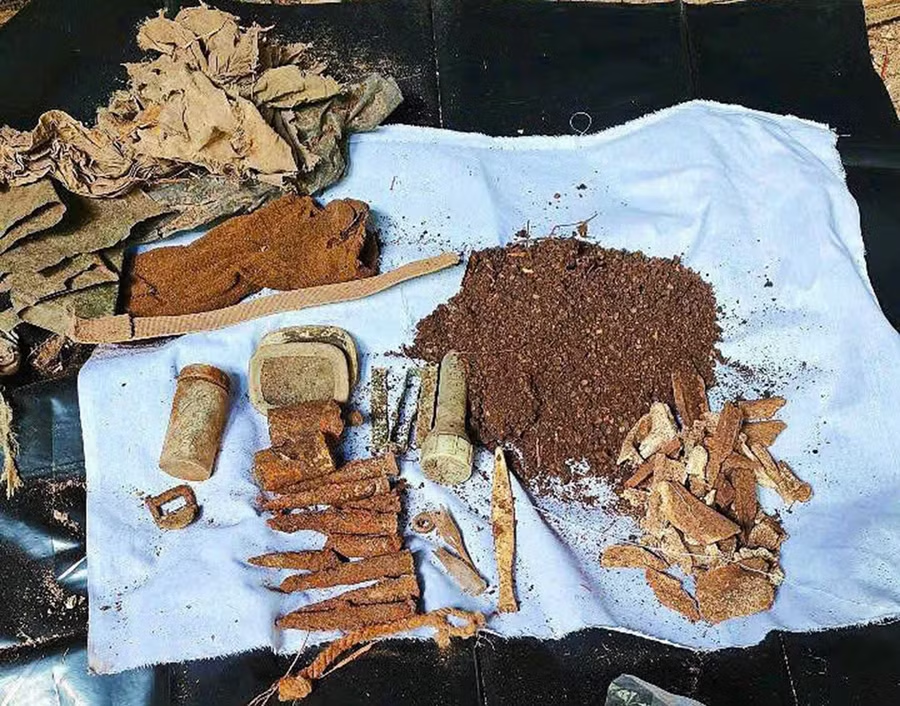
Among the most significant discoveries was a hidden metal ammunition box containing certificates, commendations, and personal belongings linked to a soldier identified as Nguyễn Viết Tuất. Authorities were able to verify the information and return the items to his family after more than 50 years.
Despite mounting challenges, search teams continue to rely on fragmented records, physical evidence, and community support to locate and repatriate the remains of those who died in the conflict, aiming to bring closure to families and preserve historical memory.