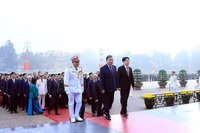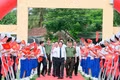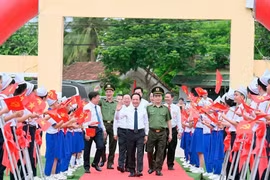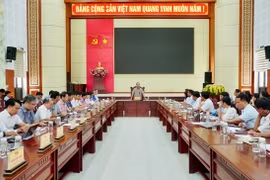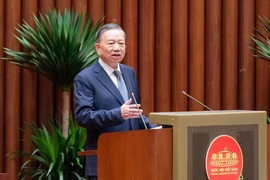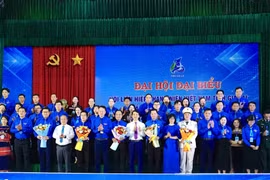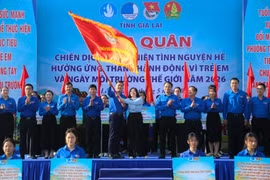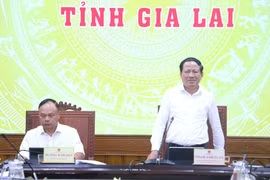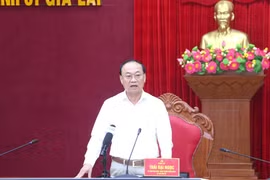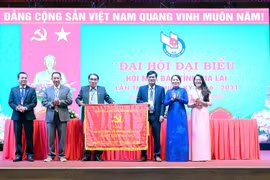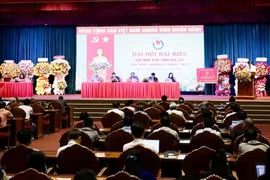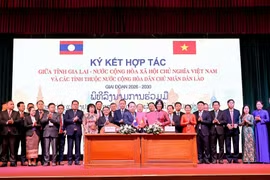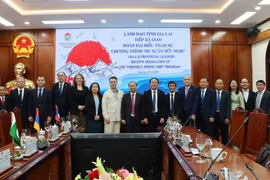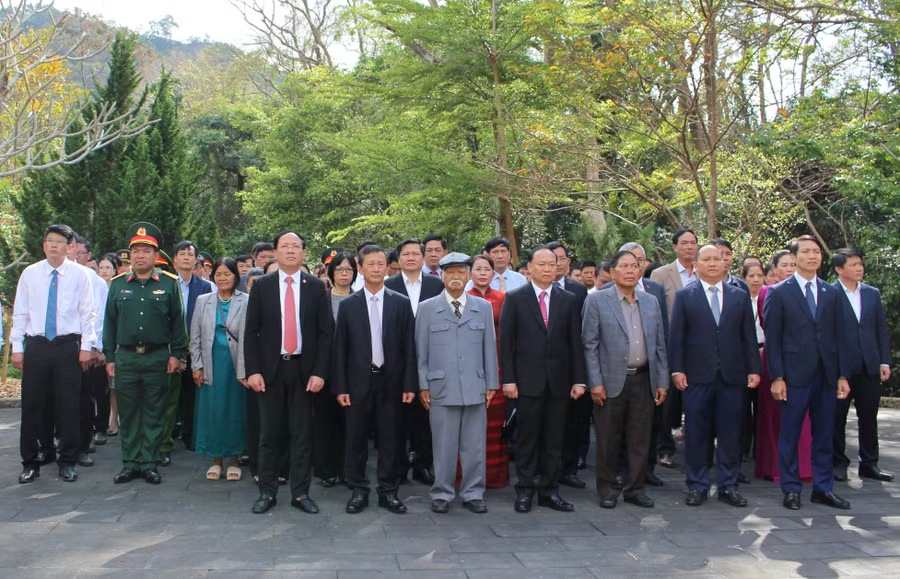
Senior officials, including Party Central Committee member and Provincial Party Secretary Thái Đại Ngọc and Provincial People’s Committee Chairman Phạm Anh Tuấn, attended the ceremony alongside current and former provincial leaders, National Assembly representatives, and heads of departments and mass organizations.
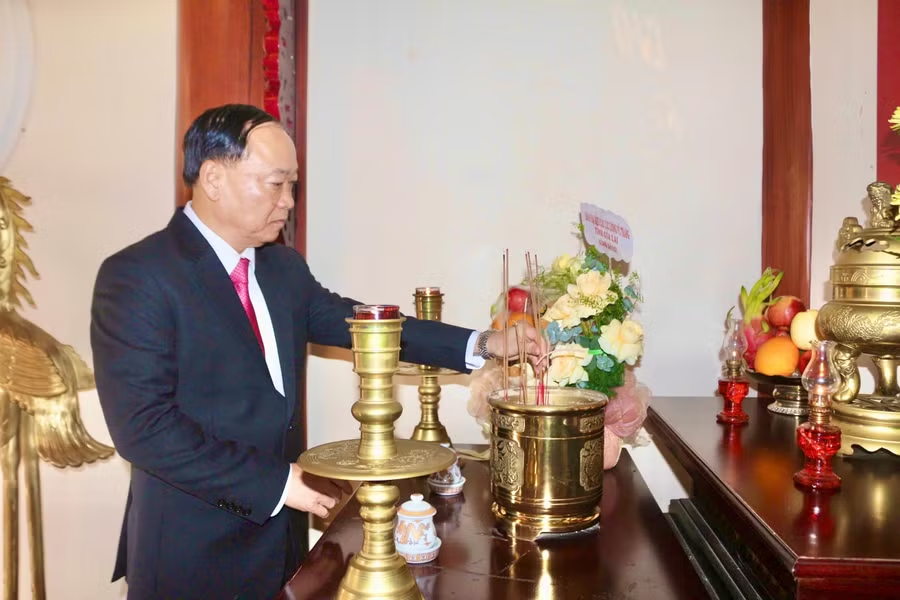
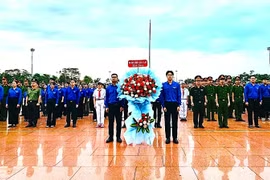
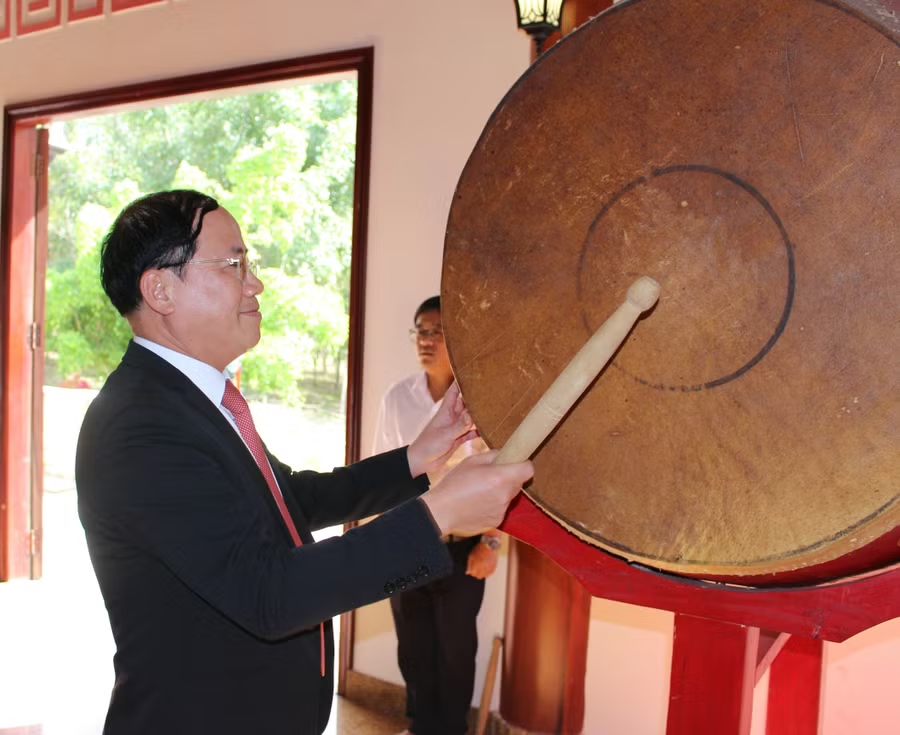
In a solemn tribute, leaders rang ceremonial bells and drums before offering incense in memory of President Hồ Chí Minh and those who died in the struggle for national independence, including soldiers, officials and civilians from Gia Lai.
Located in Krong commune, the Zone 10 site served as a key revolutionary base during the resistance wars, hosting the Provincial Party Committee and other leadership bodies. Shielded by dense forests and supported by local ethnic communities, the area became a strategic command centre shaping major decisions for the Central Highlands.
Known at the time as the “democratic town,” the base also functioned as a critical link between resistance corridors. The wider Kbang region is associated with Hero Đinh Núp, a symbol of resilience among ethnic minority communities.
The revolutionary movement that spread from Stơr Village contributed to the success of the 1975 Spring general offensive and uprising, culminating in the liberation of Gia Lai on March 17, 1975, a milestone that paved the way for the province’s subsequent development.
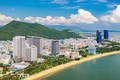
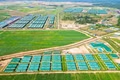
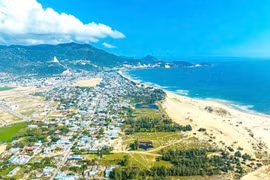
Over the past 51 years, Gia Lai has recorded steady socio-economic progress, with improved living standards and ongoing efforts to preserve and promote the cultural identity of its ethnic groups.
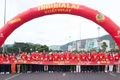
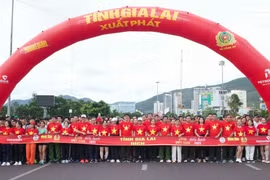
The province is set to host the National Tourism Year in 2026, an event officials say will highlight its historical legacy, cultural richness and development potential.
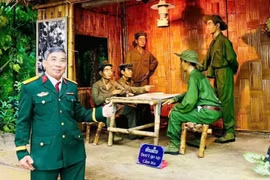
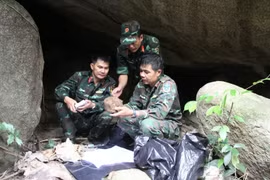
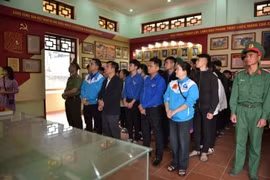
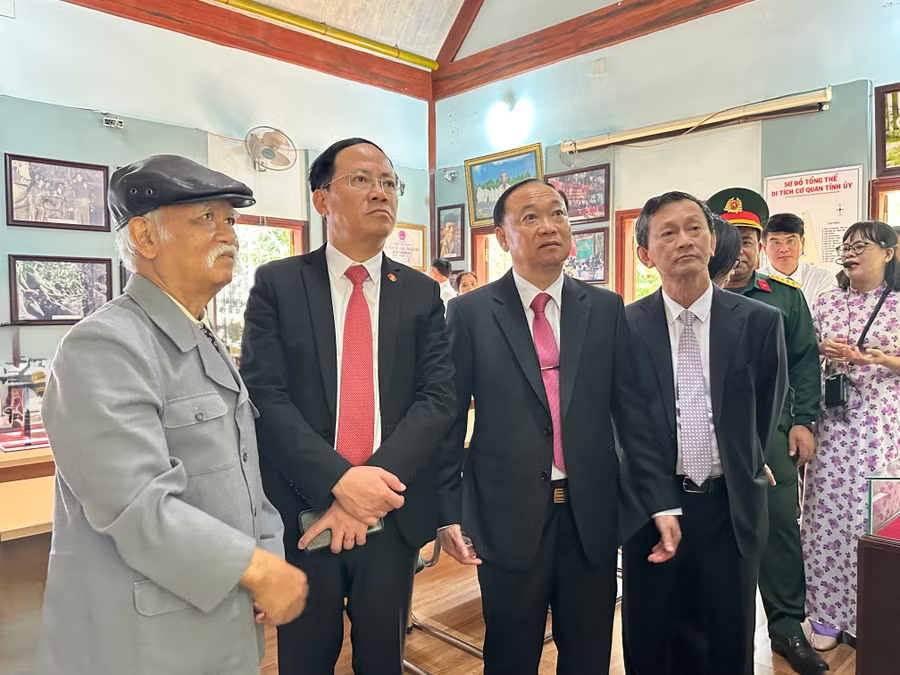
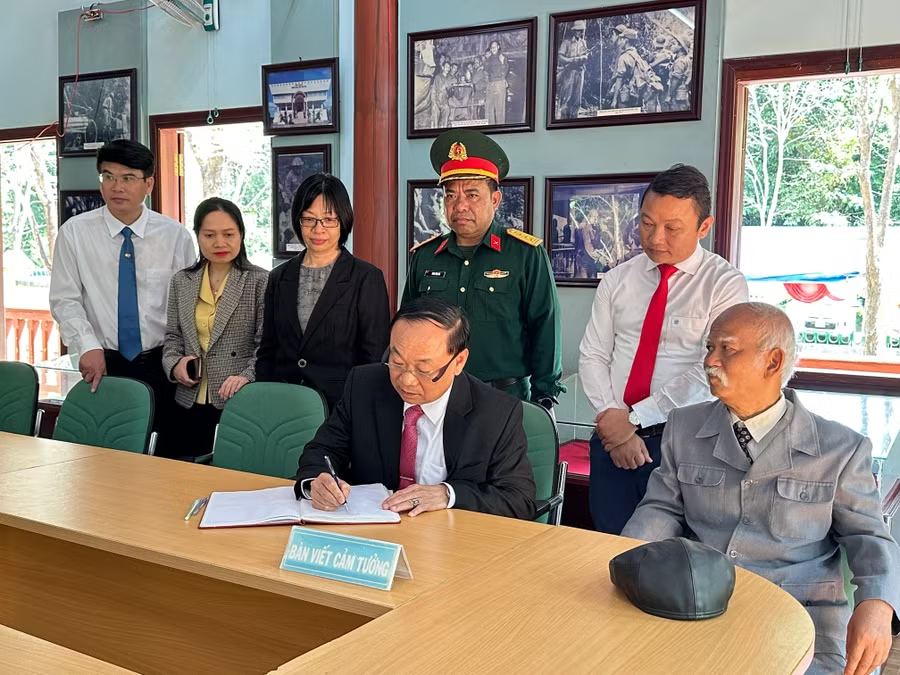
Following the ceremony, delegates toured the site, including preserved wartime working huts, and viewed historical documents and artifacts aimed at educating younger generations about the province’s revolutionary heritage.