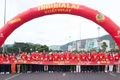
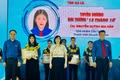
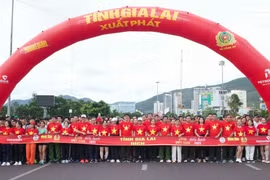
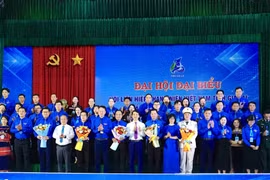
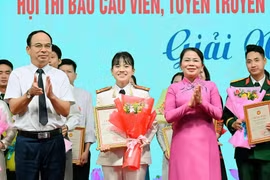
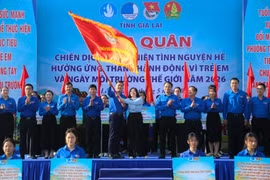
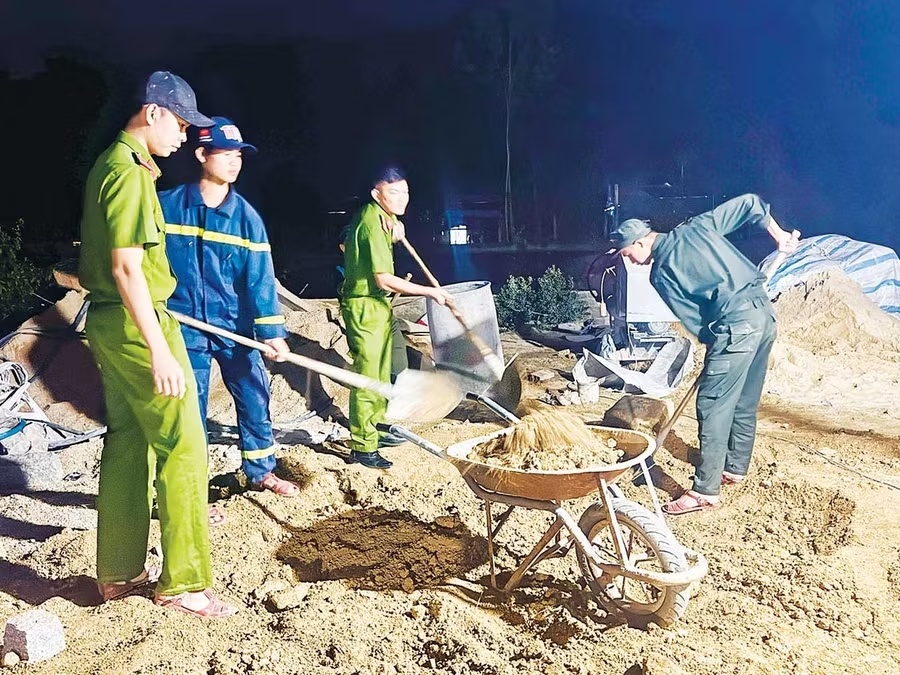
The initiative, dubbed the “Quang Trung Campaign”, was launched after severe storms and floods caused heavy destruction across the Central Highlands province.
Authorities said restoring housing and stabilizing livelihoods were the top priorities once the waters receded. The campaign concluded on 15 January 2026, meeting its full target.
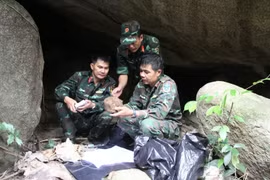
Provincial leaders focused first on essential needs, including ensuring no households lacked food, clothing or temporary shelter, and enabling students to return to school quickly. Soldiers and police were deployed to clear debris from classrooms and distribute textbooks and school supplies in affected areas.
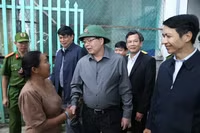
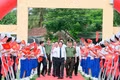
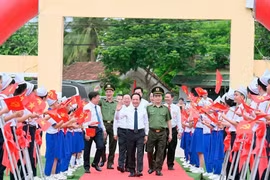
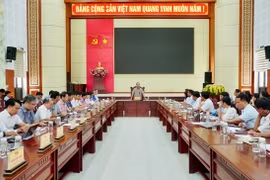
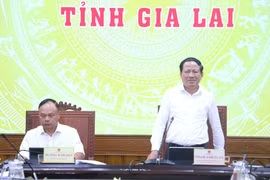
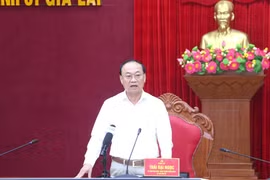
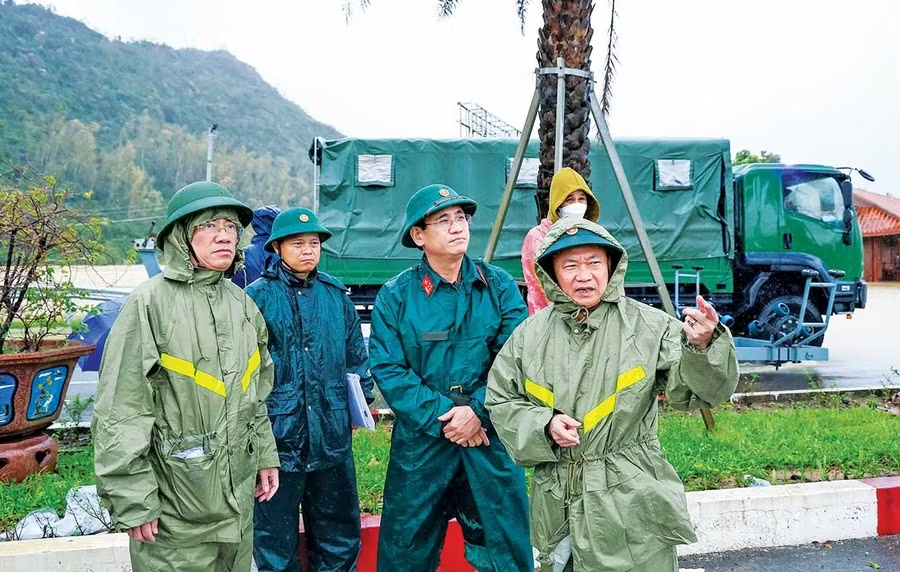
According to officials, the response was driven by visible, hands-on leadership. Thái Đại Ngọc, the Provincial Party Secretary, was repeatedly present at rescue sites during peak flooding, while Phạm Anh Tuấn, Chairman of the Provincial People’s Committee, joined frontline teams directing evacuation and relief operations. Local media reported that all provincial party members were dispatched to affected communities to support residents.
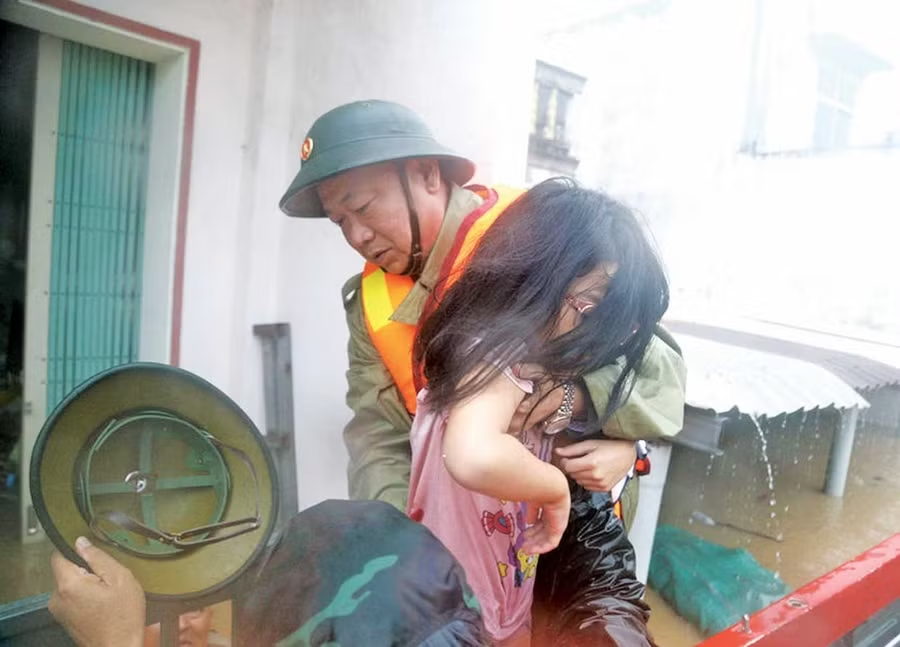
The province recorded relatively few casualties despite being among the hardest-hit localities nationwide last year. Officials and residents attributed the outcome to coordinated rescue operations and strong community mobilization.
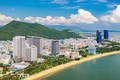
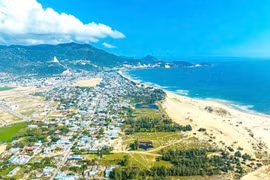
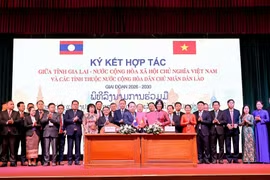
Gia Lai’s leadership has framed the recovery effort as part of a broader push to unify and develop the province following an administrative merger that created both opportunities and new challenges. Strategic infrastructure—including the planned expressway linking Pleiku and Quy Nhơn—is viewed as crucial for long-term economic growth.
Residents and observers have expressed optimism that the reconstruction success will strengthen public trust and accelerate provincial development in 2026. The Government has publicly praised Gia Lai’s cohesion and resilience.
Local communities are preparing for the annual Tây Sơn festival, where residents from both highland and coastal regions traditionally gather. Many anticipate a particularly vibrant celebration this year, symbolizing renewed solidarity after months of hardship.
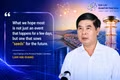
Gia Lai officials say the rebuilt homes and restored villages reflect not only disaster recovery but also the province’s commitment to “serving the people”, a phrase widely echoed during the reconstruction campaign.