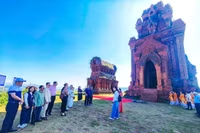
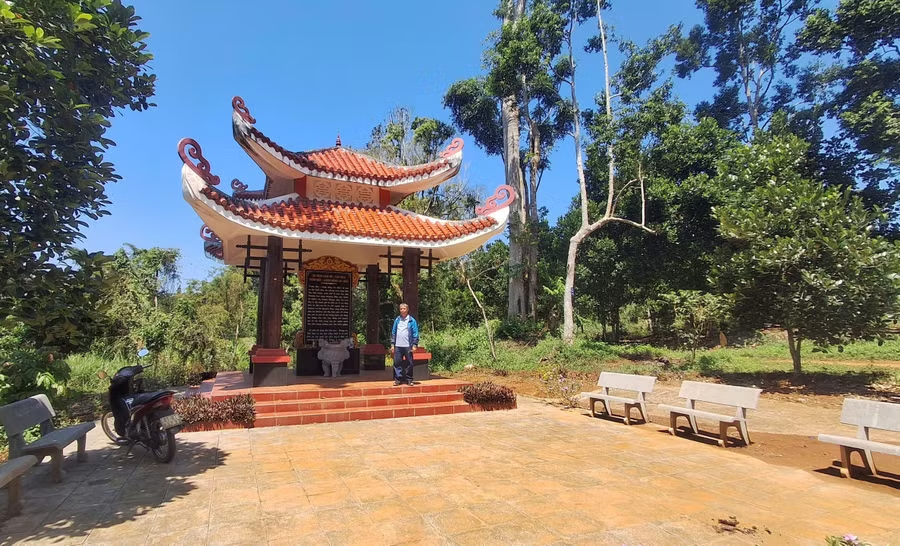
The Vườn Mít - Cánh đồng Cô Hầu relic, part of the Tây Sơn Thượng đạo Special National Relic Complex, spans more than 20 hectares and carries deep historical and cultural significance.
Recognised as a national relic in 1991 and elevated to special national status in 2022, the site reflects the enduring legacy of the Tây Sơn movement and the contributions of the Bahnar people who supported it.
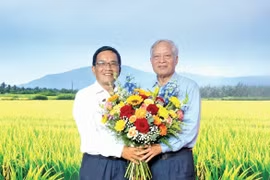
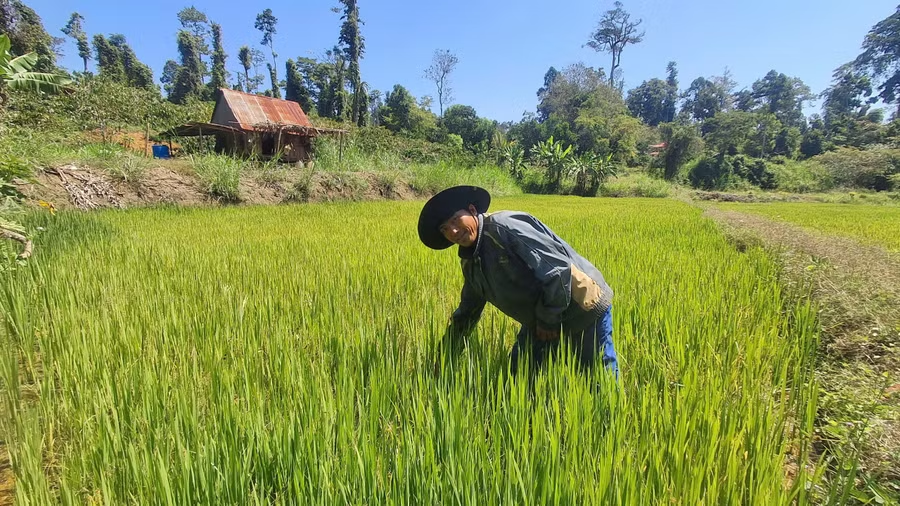
Today, the area presents a contrasting image of fertile rice paddies, coffee plantations and fruit orchards. Improved infrastructure and land management have transformed what was once flood-prone terrain into productive farmland.
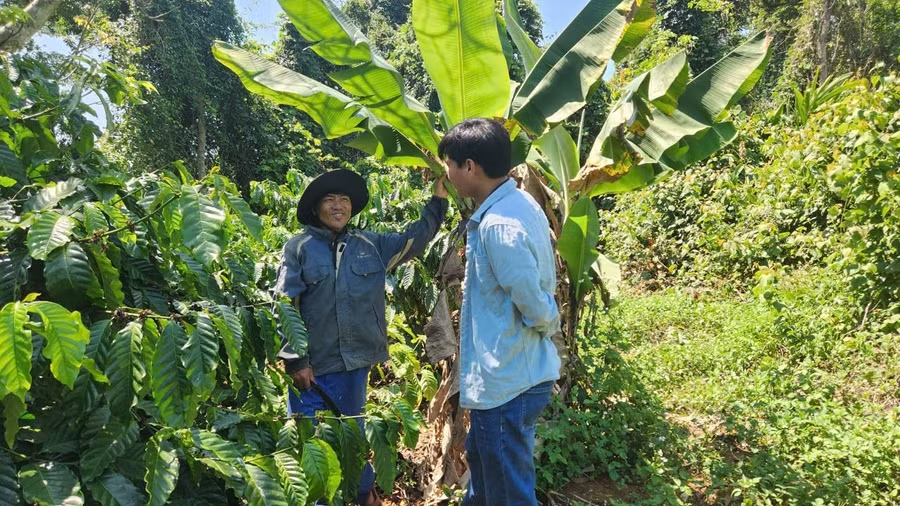
According to local resident Đinh Văn Hmun, coffee cultivation alone generates about 150 million VND (approximately $6,000) annually for his household, while other families earn up to 300-400 million VND ($12,000-$16,000) from diversified crops.
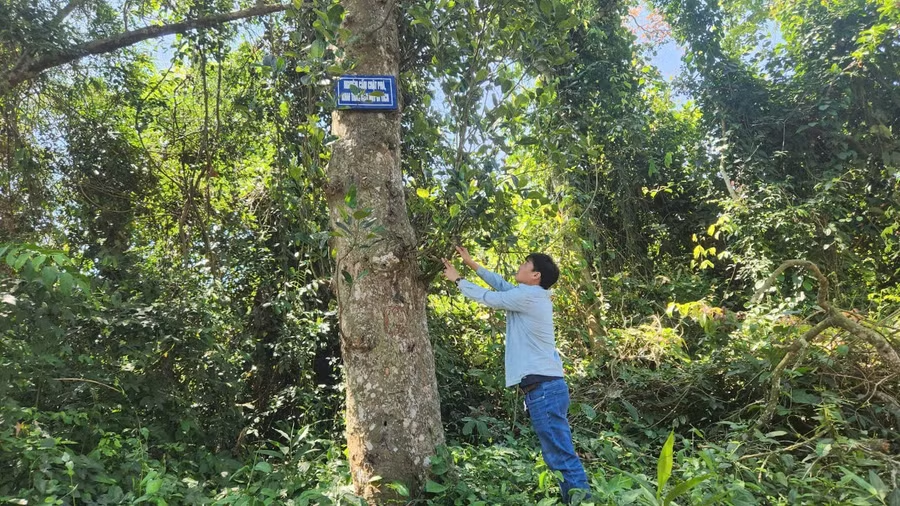
Despite this progress, preservation efforts remain complex. Only nine ancient jackfruit trees, key historical markers, remain, with some damaged by storms in 2025.
The site’s overlap with agricultural land has also led to management issues, including unauthorised construction and shifting boundaries.
Authorities have invested more than 7.4 billion VND (about $296,000) in infrastructure upgrades, but officials acknowledge that additional long-term resources are required to match the site’s national importance.
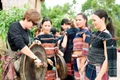
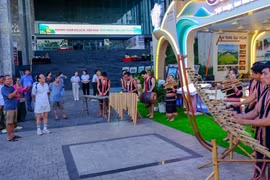
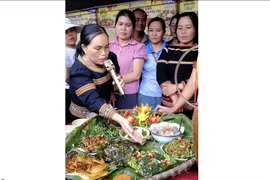
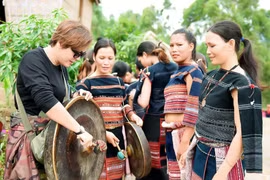
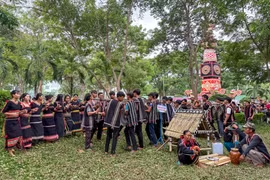
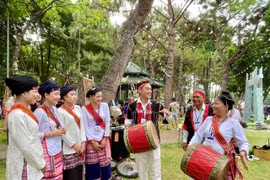
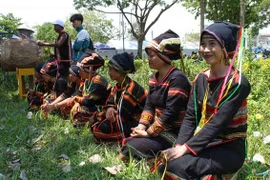
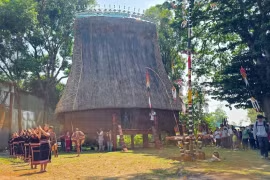
Local authorities are now pursuing conservation strategies alongside community-based tourism. Plans include preserving ancient trees, enhancing visitor facilities and developing experiential tourism linked to Bahnar culture, such as gong performances and traditional farming activities.
The site is also part of a broader heritage route connecting key Tây Sơn landmarks, aiming to create a cohesive historical experience for visitors.
Amid these efforts, the landscape continues to bridge past and present - serving as both a living memory of the Tây Sơn era and a vital source of livelihood for today’s residents.