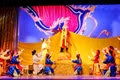
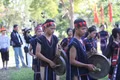
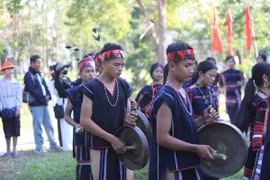
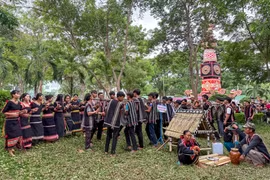
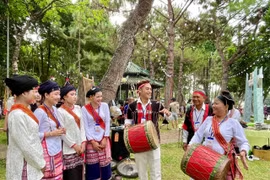
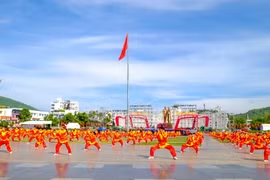
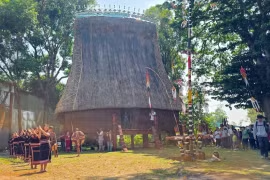
Organized by the temple’s ritual board, the ceremony took place in a solemn atmosphere, accompanied by gongs and drums during the peak of the spring season. The annual event is dedicated to honoring ancestors and those who contributed to establishing and developing the local community.
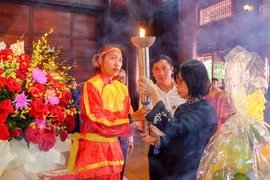
The central ritual unfolded at the Tiền Nhơn House, where incense offerings, lamp lighting, and ceremonial presentations of tea, flowers and offerings were conducted, alongside the reading of traditional texts.
The procession of the royal decree, historically granted by the king to the communal house, formed the focal point of the event.
A ceremonial guard bearing five-colored flags, ritual objects, and musical instruments led the procession, followed by a palanquin carrying the decree. The chief officiant, ritual committee members and a large number of residents joined the procession.
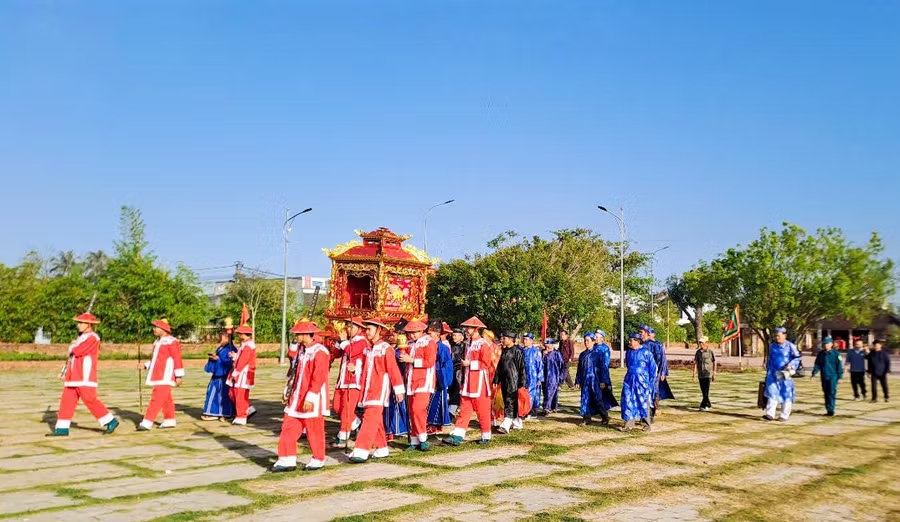
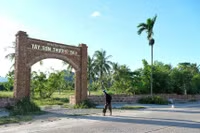
The parade took place between An Khê Trường, where the decree is kept, and the communal house, both part of the Tây Sơn Thượng Đạo special national relic complex.
According to tradition, a preliminary ritual is held on the ninth day of the second lunar month to seek permission from deities to transfer the decree. After the main ceremony on the following day, the decree is returned to its storage place in a lacquered wooden box wrapped in red cloth.
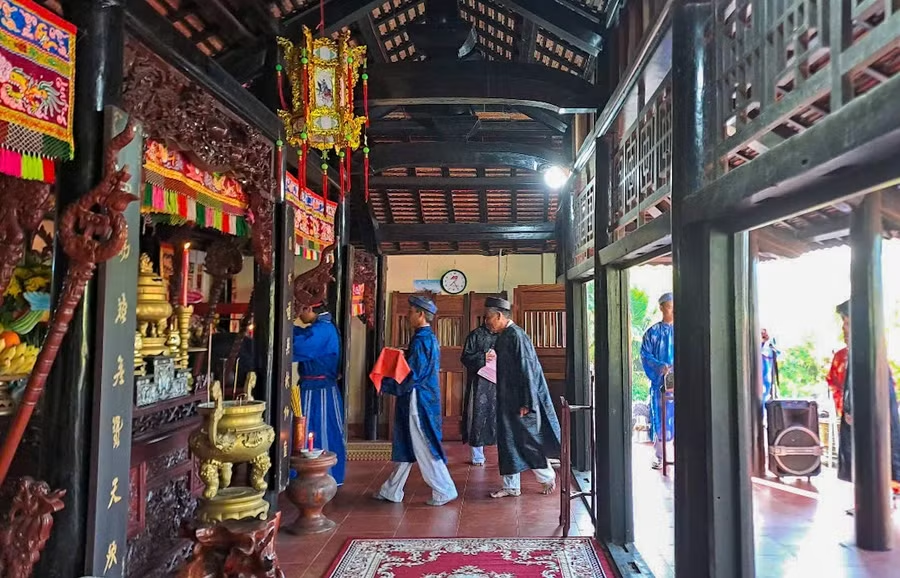
The event drew strong community participation, with residents preparing offerings and ceremonial trays, reinforcing local cultural identity.
Similar Quý Xuân ceremonies were also held the same day at communal houses in Tân Lai, Tân An and An Mỹ wards.
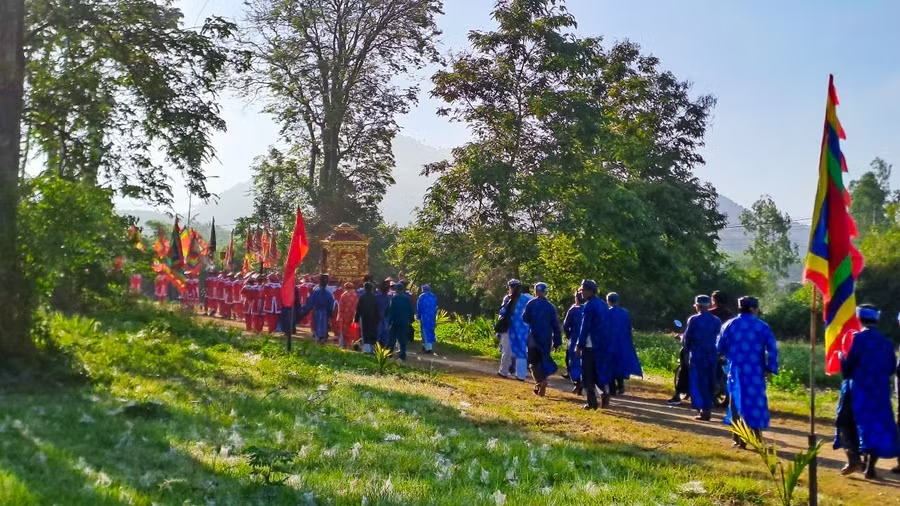
According to Dr. Lưu Hồng Sơn of the Pleiku Museum, the Quý Xuân Offering Ceremony across western Gia Lai typically runs from the ninth day to beyond the 20th day of the second lunar month.
However, the royal decree procession is now preserved only at An Khê and Tân Lai communal houses, reflecting a rare continuity of early Vietnamese cultural traditions in the region.