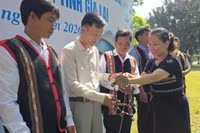
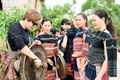
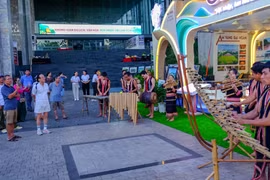
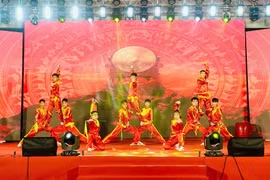
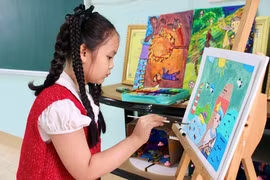
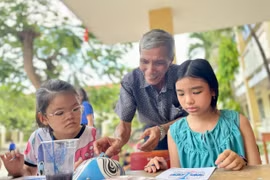
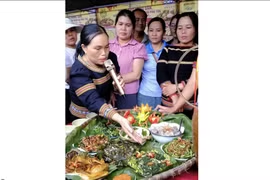
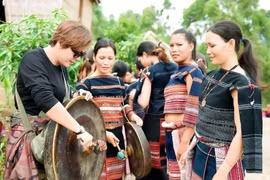
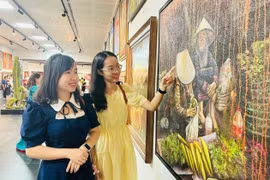
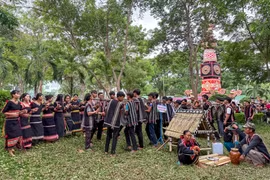
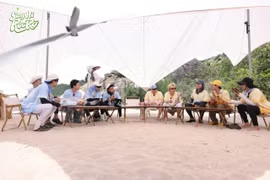
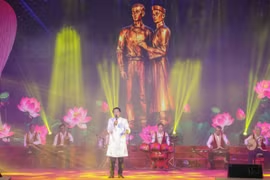
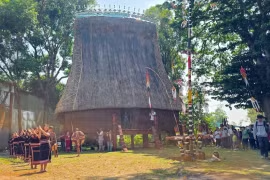
Students from Nguyen Du Secondary School and Pham Hong Thai Secondary School recently joined an experiential programme themed “Experiencing local traditional crafts” in Kep 1 and Kep 2 villages in Ia Ly Commune. The initiative forms part of the Local Education curriculum, which encourages schools to integrate real-world learning into teaching.
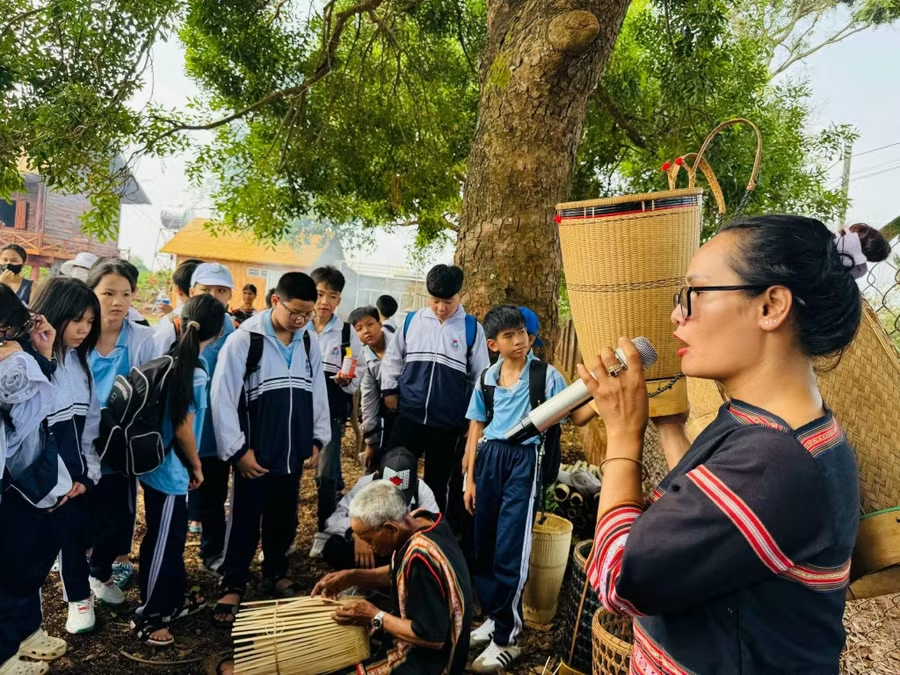
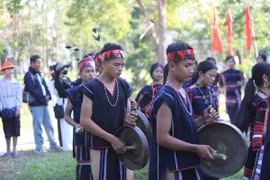
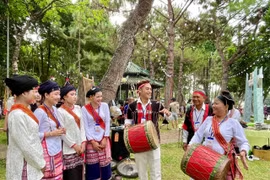
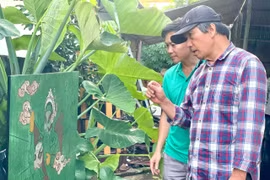
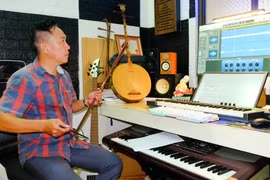
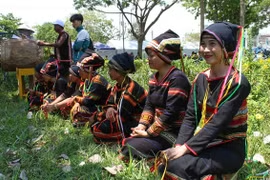
During the visit, students observed and practised traditional crafts under the guidance of local artisans, including brocade weaving, basket weaving and the making of traditional musical instruments. They also participated in activities such as rice pounding, gaining direct insight into the daily lives of ethnic minority communities.
Teachers said the programme aims to make lessons more engaging and meaningful. “Through real-life experiences, students better understand traditional crafts and cultural life, and learn to appreciate local values,” said Ha Thi Le Hien, a teacher at Nguyen Du Secondary School.
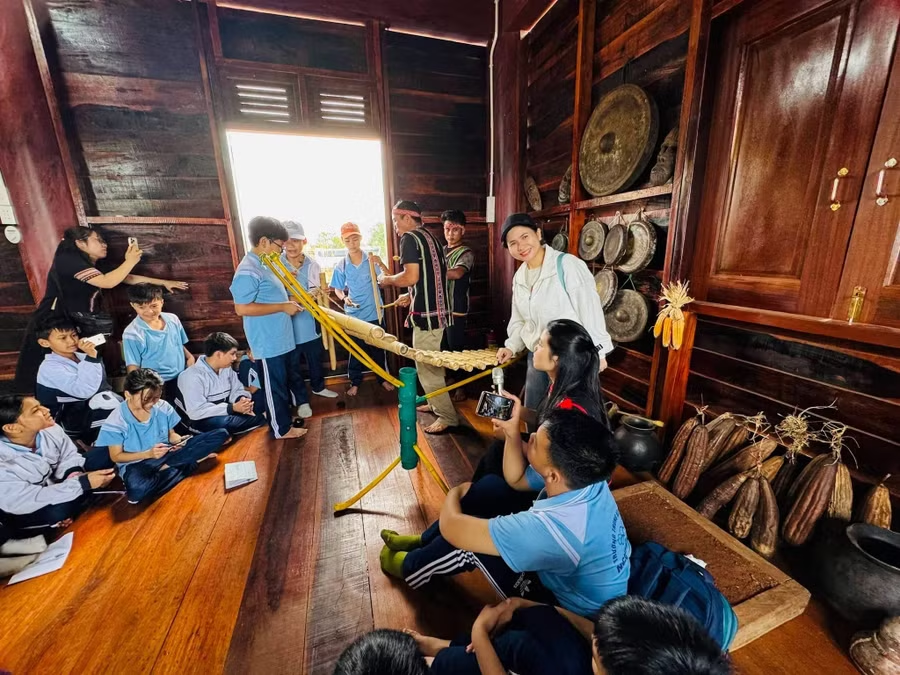
Students described the experience as memorable, with many highlighting hands-on activities as a key attraction. One student said brocade weaving stood out for its intricate patterns and vibrant colours, adding that she hoped to join similar programmes in the future.
School administrators view experiential learning as a practical way to enhance education outcomes. Hoang Huu Huong, principal of Pham Hong Thai Secondary School, said such activities help students develop skills, deepen knowledge and reduce academic pressure.
The approach is gaining traction across the province, aligning with a broader shift toward applied learning methods. Educators say it not only improves knowledge retention but also fosters a sense of cultural identity and connection to local heritage.
Local authorities also report growing interest in educational visits. Since early 2026, Ia Ly Commune has hosted more than 1,000 students from five schools, according to the local community tourism management board. The visits provide additional income for residents while offering students deeper exposure to traditional customs and crafts.
Officials said they plan to expand and diversify experiential programmes to meet rising demand from schools and students.
Educators say such initiatives demonstrate how learning outside the classroom can play a key role in preserving cultural heritage and instilling pride in younger generations.