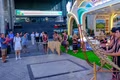
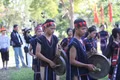
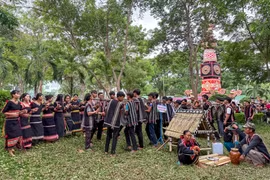
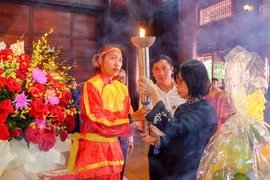
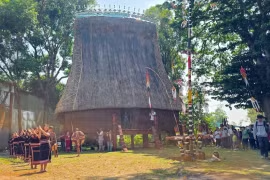
The ceremony took place in Kép 1 village, Ia Ly commune, Gia Lai province, with the attendance of provincial officials, including Vice Chairman of the Gia Lai People’s Committee Nguyễn Hữu Quế, alongside local residents.
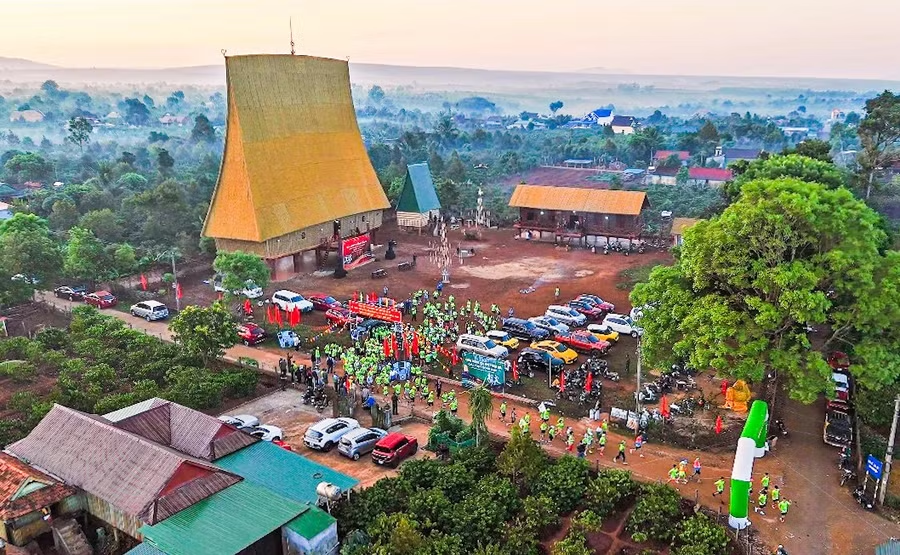
The communal house forms part of a community tourism infrastructure project funded by a loan from the Asian Development Bank (ADB), with a total investment exceeding VND 12 billion (about $490,000).
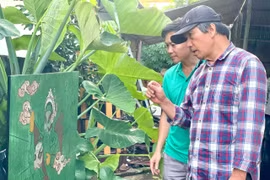
Key components of the project include the Rông (communal) house, stilt houses, sanitation facilities, a tomb statue garden and a water jar area, costing more than VND 5.79 billion (about $236,000).
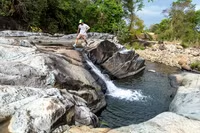
A 3.43-km rural road linking Kép 1 village to A Mơng village and the Công Chúa (princess) Waterfall was also constructed at a cost of over VND 6.6 billion (about $269,000).
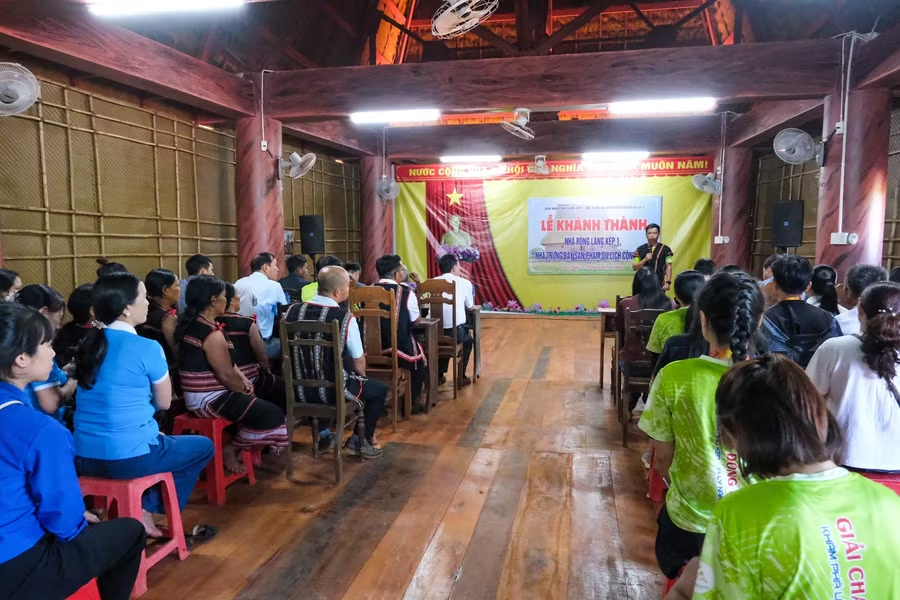
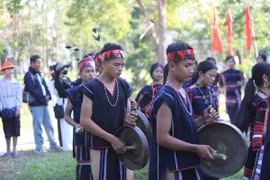
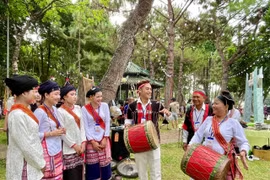
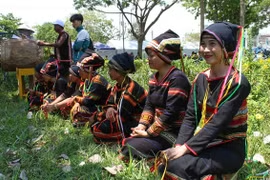
The inauguration ceremony followed traditional Jrai customs, notably a buffalo sacrifice ritual featuring symbolic acts such as throwing rice at the animal and touching its tail for good luck.
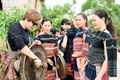
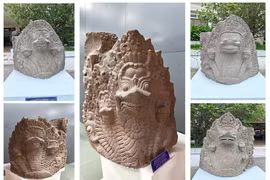
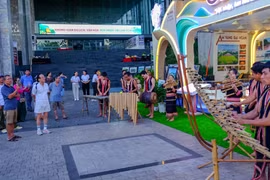
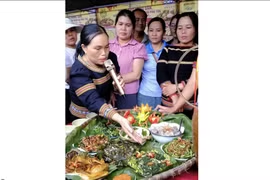
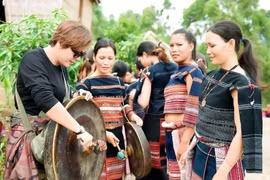
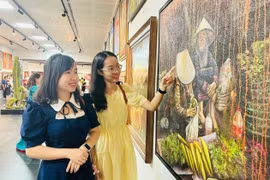
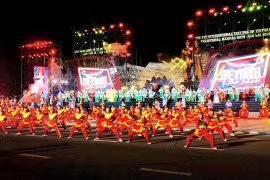
Visitors and residents also took part in cultural activities, including exhibitions of historical artifacts, demonstrations of cotton planting, spinning, dyeing and weaving, and the sharing of traditional cuisine.
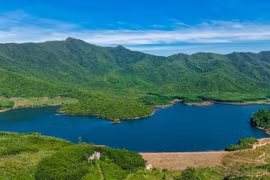
As part of the event, the Ia Ly Commune People’s Committee organised a “Discover Kép Village” run, attracting more than 300 participants competing over 8 km and 21 km distances. The route passed local landmarks including Ia Mmông Lake, Công Chúa Waterfall, the Kép 2 village tomb house area and the Ia Mơ Nông community tourism village.
Speaking at the ceremony, Nguyễn Hữu Quế said the project would help promote community tourism while preserving traditional cultural identity, in line with national cultural development policies.
He expressed hope that the communal house would become a cultural focal point for the village and urged residents to preserve and promote its value as a shared community asset.
Local authorities and the village’s tourism management board are expected to continue working with relevant agencies to strengthen promotion of Jrai culture and support tourism development as a key economic sector tied to cultural preservation.