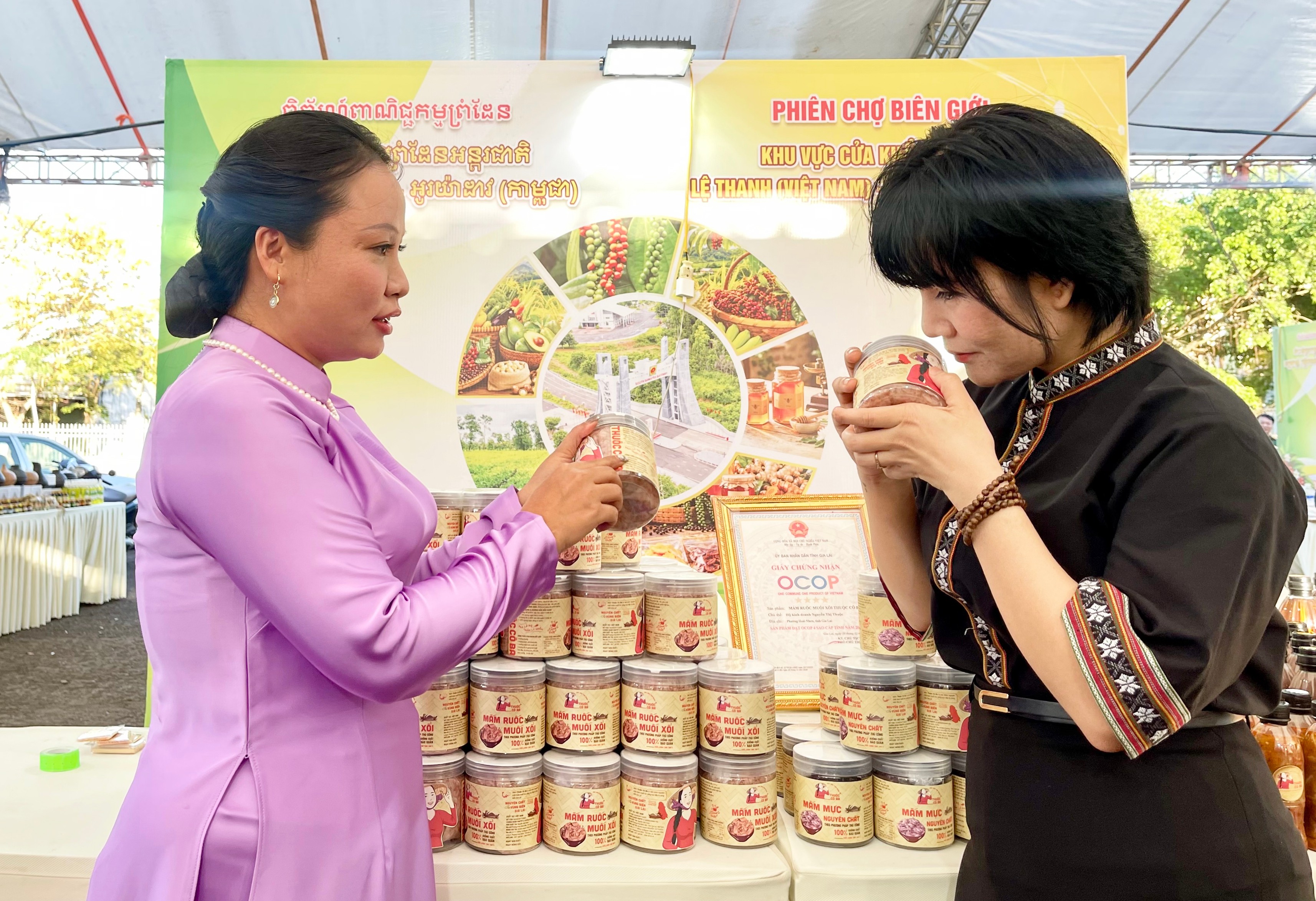
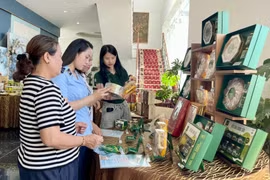
Nguyễn Thị Thuộc, a producer in Hoài Nhơn Ward, spent five years developing products based on the method her grandparents used to salt krill.
She said the local preparation keeps the tiny crustaceans whole, giving the paste a distinctive texture and appearance among fermented seafood products.
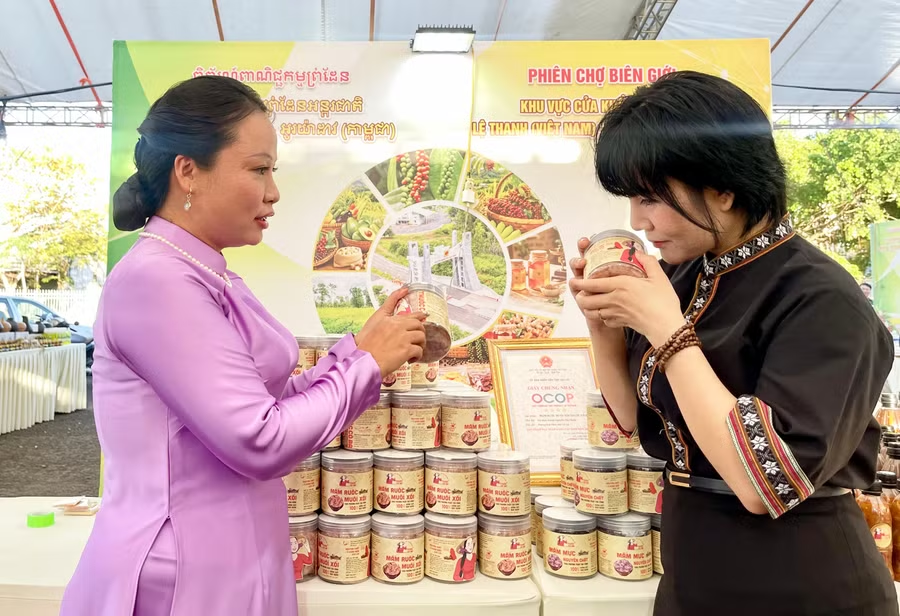
The paste has earned a four-star rating under the One Commune One Product (OCOP) programme. Hoài Nhơn has about three peak krill seasons a year, and catches vary with the weather. Thuộc selects plump, firm krill to keep the quality consistent.
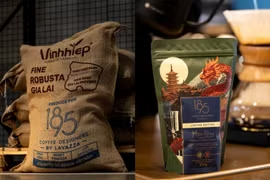
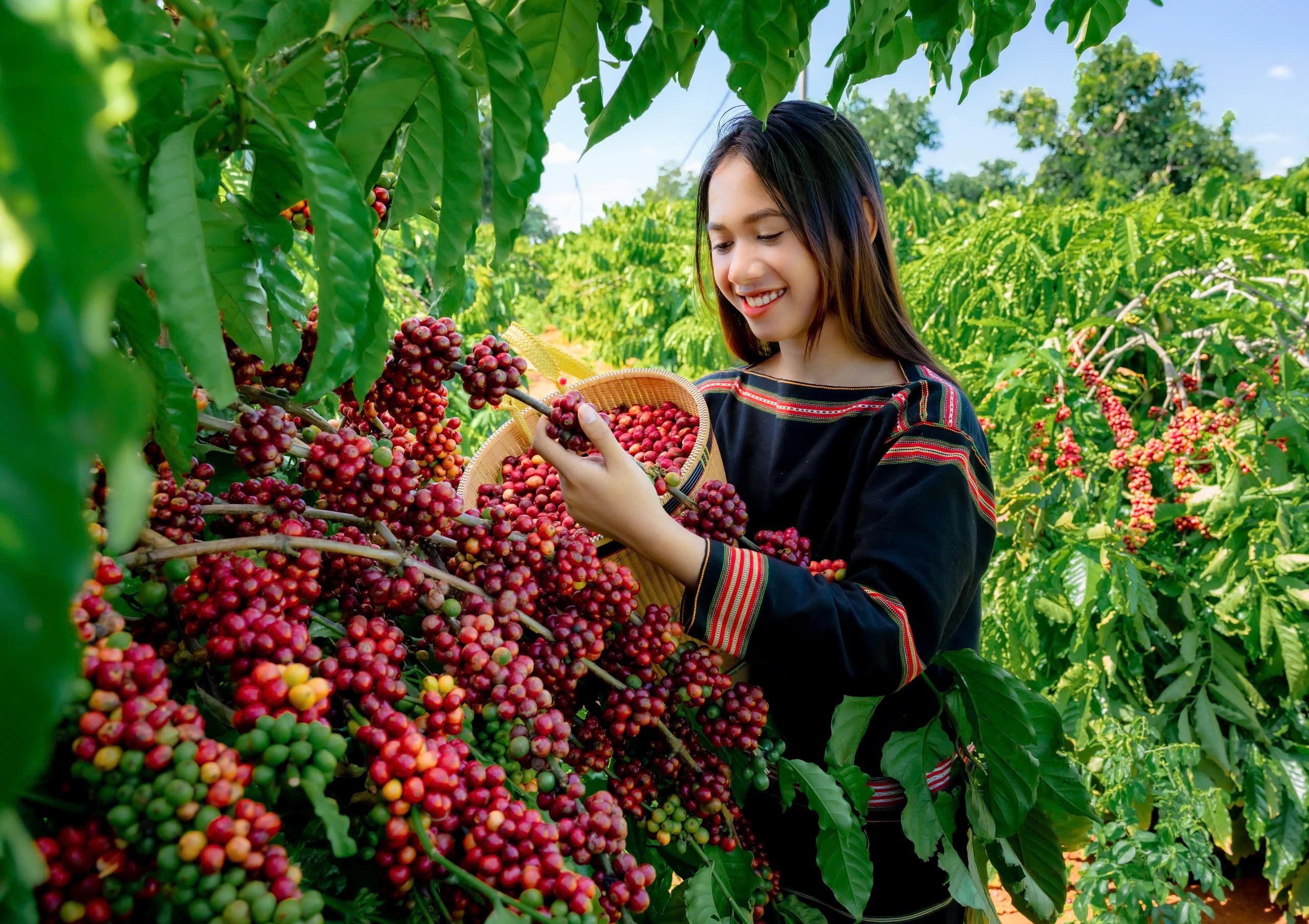
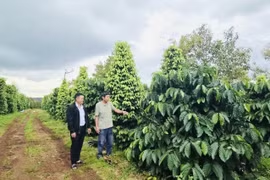
In Mrông Yố Village, Ia Phí Commune, Jrai Ia Ly Agricultural Processing Co., Ltd. takes its coffee brand name from a local legend.
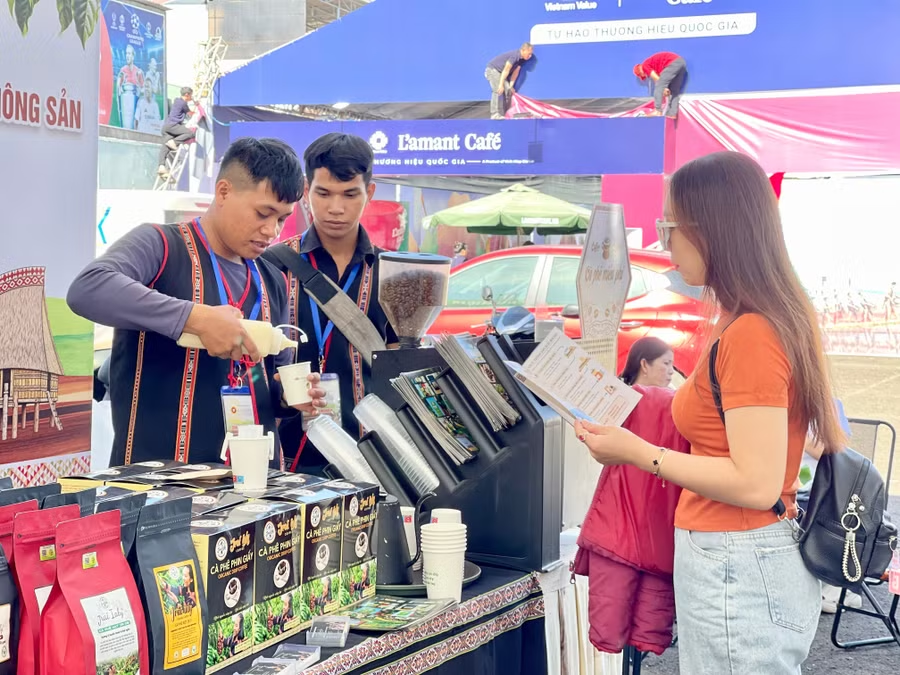
Company director Rơ Châm Awưnh said ia means water in the Jrai language and Ly is the name of a girl in the story of the Ia Ly waterfall. The waterfall is now the site of one of Vietnam’s major hydropower projects.
Awưnh said he wants visitors to learn how the coffee is grown and processed while discovering Jrai customs and the role rivers and streams play in village life.
The company reports annual revenue of about VND 100 billion (approximately US$3.8 million) and exports to several countries in Europe and Asia.
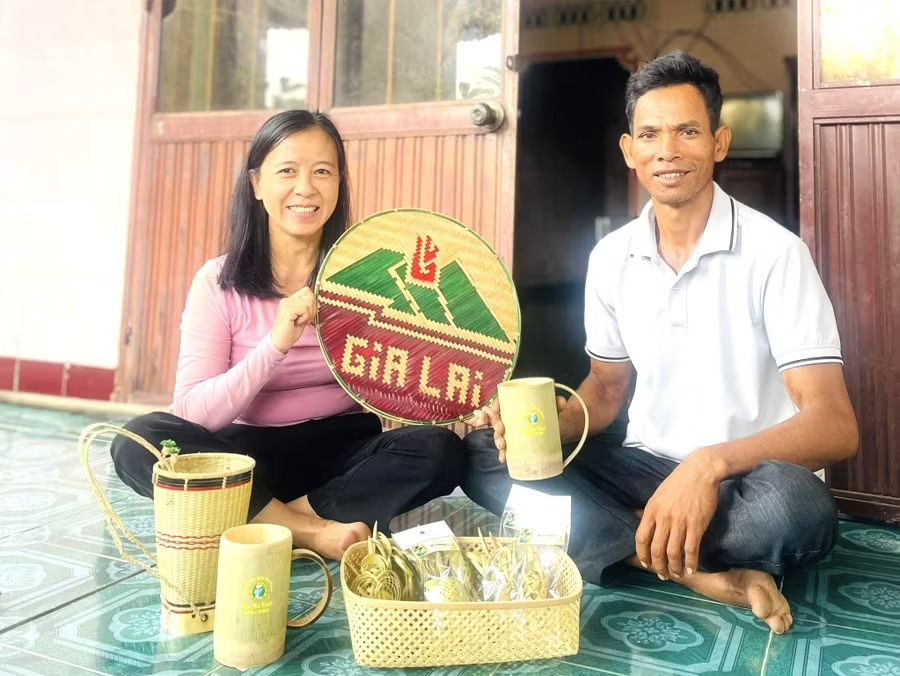
In Đê Kjiêng Village, Ayun Commune, Bahnar craftspeople use bamboo and rattan to make suitcases, handbags, tea tables and signs incorporating traditional patterns.
Si, a local artisan, said demand for such products could give young people a way to earn a living or start a business while keeping weaving skills in use.
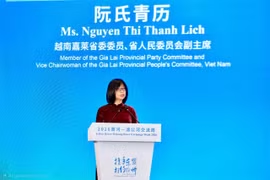
Vũ Thị Nữ, a lecturer at Quy Nhơn University, said producers need to develop goods around what customers want and build the capacity to fill larger orders.
Identity Does Not Mean Commercializing Culture
“It is important to avoid commercializing culture by chasing fleeting trends or distorting traditional values. Identity only truly becomes an advantage when it is leveraged on the foundation of respect for the community, cultural subjects, and original values.”
Dr. Vũ Thị Nữ – Lecturer, Faculty of Finance - Banking and Business Administration, Quy Nhơn University
Seasonal ingredients and labour-intensive methods can limit output, she said.
Forming cooperatives, working with businesses and standardising production could help producers reach more customers while preserving the qualities that distinguish their products.
Nguyễn Thị Bích Thu, director of the Center for Industrial Promotion and Trade Promotion under the Department of Industry and Trade, said a product’s story should reflect its origins, materials and how it is made.
For food producers, she highlighted safety, packaging, labelling and traceability. For craftspeople, she pointed to design, durability and ease of use.
Packaging, videos, in-person demonstrations and online shops, she said, can help buyers see who makes the products and how local traditions shape them.