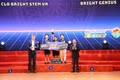
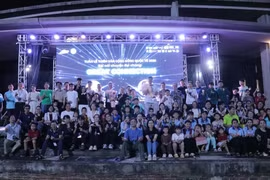
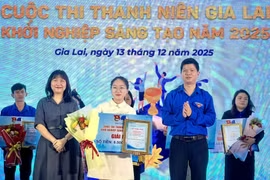
The event awarded 70 projects, including six first prizes that will advance to the national-level competition.
Deputy Director of DOET Nguyễn Văn Long said the 2025–2026 academic year marked broad and comprehensive participation, with entries spanning social and behavioral sciences, biochemistry, environmental engineering, biomedical sciences, physical energy, materials science, mechanical engineering, robotics, computational biology, bioinformatics, and embedded systems. A total of 120 teachers supervised the projects.
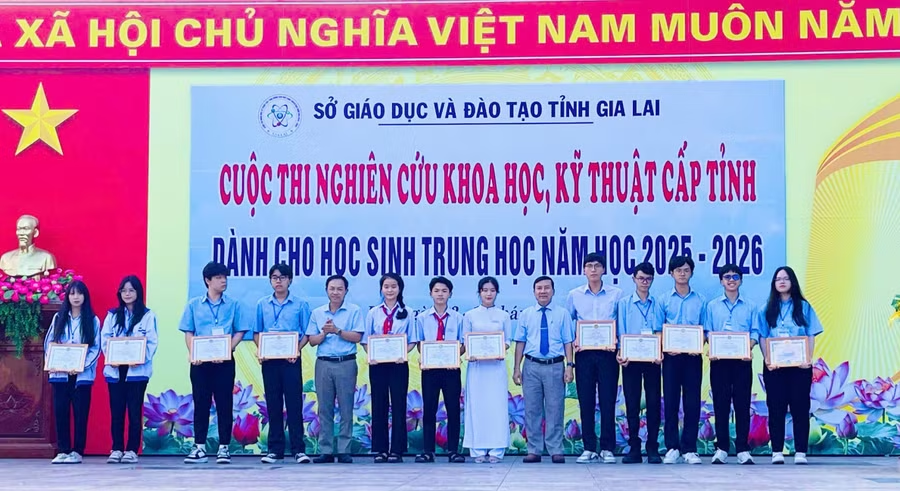
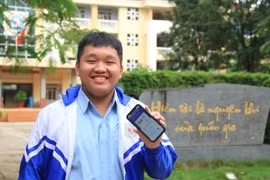
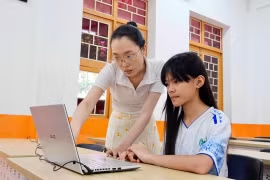
Lê Quý Đôn High School for the Gifted presented five projects, including “LexiAI - An application supporting English learning,” developed by Grade 12 students Tô Vũ Trà My and Trần Ngọc Tân. The AI-based learning tool earned first prize and a place at the national competition. “Winning has further fueled our passion for scientific research,” Trà My said.
Another notable entry was the third-prize project “Research and Propose Solutions to Prevent Online Abduction of High School Students in Phú Thiện Commune, Gia Lai Province,” by students Đỗ Quỳnh Giao and Nguyễn Hoàng Anh Thư from Trần Quốc Tuấn High School. They examined online scams targeting adolescents and proposed prevention measures. “We analyzed both victim and perpetrator psychology to develop practical solutions,” Giao said.
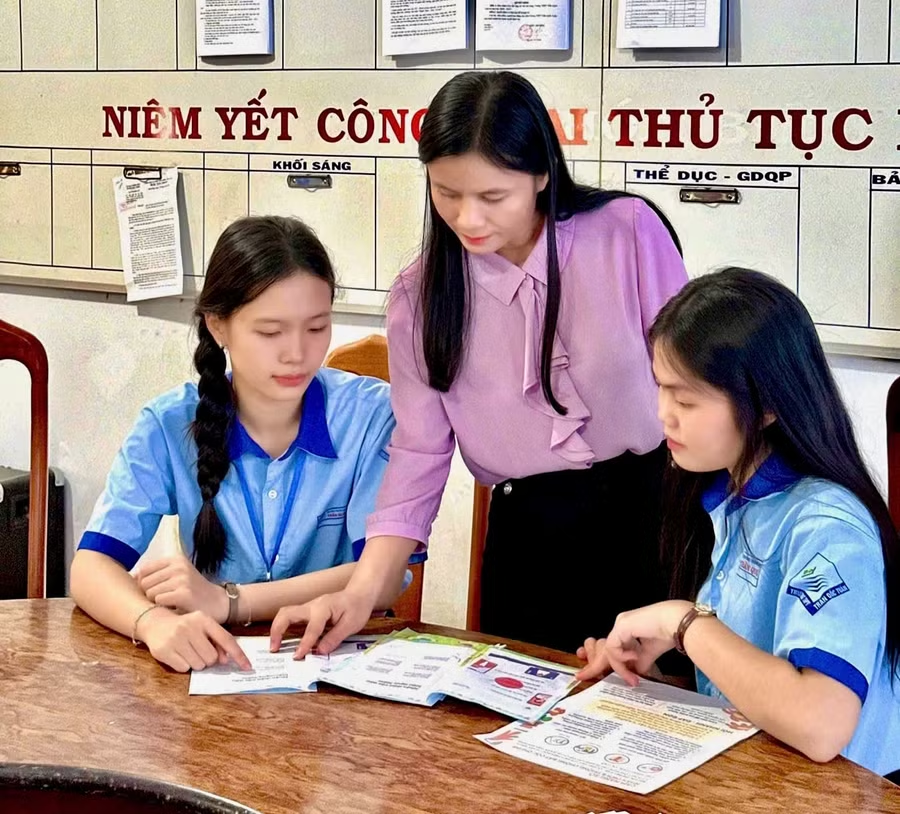
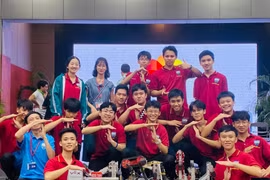
Hùng Vương High School for the Gifted won prizes for all five of its projects, with three advancing to the national round. Principal Lê Thị Thu said the results highlight students’ ability to apply classroom knowledge to real-world problems and demonstrate strong research aspirations.
The competition used an online evaluation system assessing scientific ideas, methodology, novelty, creativity, and practical impact. Prizes included six first prizes, 14 second prizes, 20 third prizes, and 30 fourth prizes.
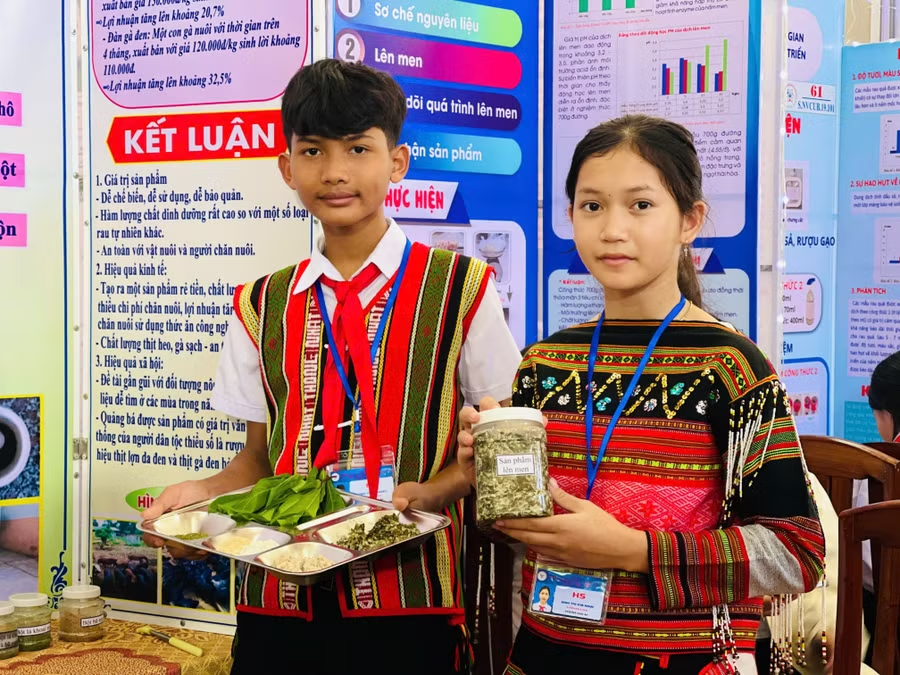
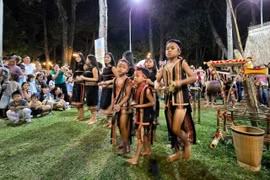
Deputy Director Long emphasized that many projects reflected students’ commitment to preserving ethnic cultural identity, with entries focused on Jrai jar-wine culture, Bahnar gong-tuning techniques, and 3D reconstructions of Tam Quan historical sites. Other projects aligned with STEM education, digital transformation, humanitarian objectives, and sustainable development.
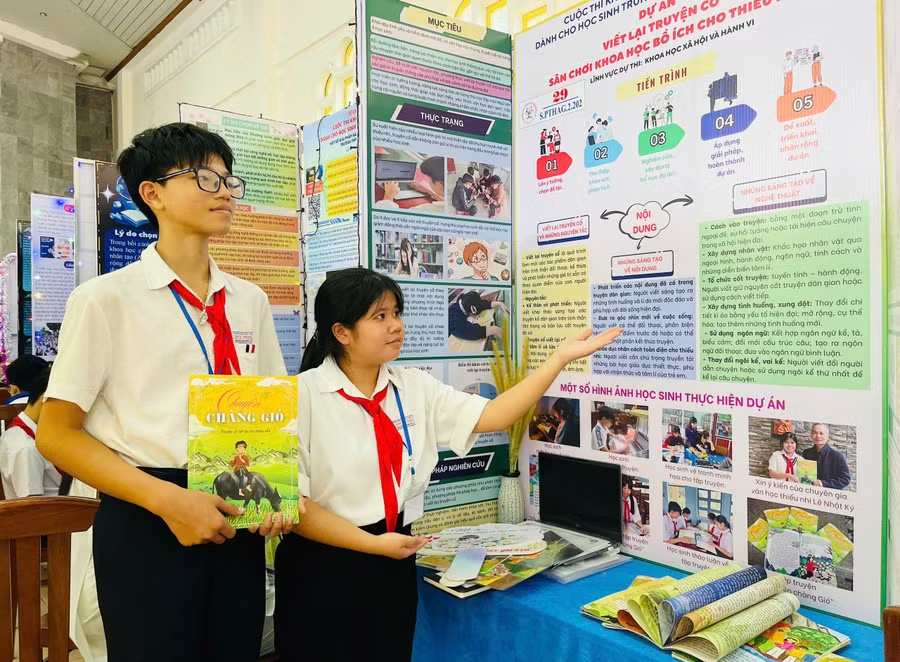
“It is clear that students’ research enthusiasm is advancing in step with modern technology,” Long said. “They are identifying real issues, digitizing traditional values, and proposing innovative solutions that contribute to quality of life and sustainable development.”