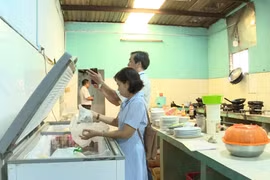
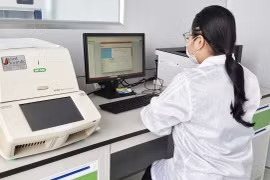
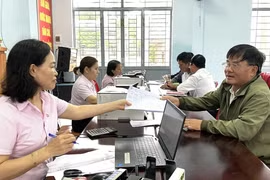
The programme focuses on strengthened health communication, nutrition monitoring and expanded care for mothers, children and older people, contributing to falling malnutrition rates and improved health outcomes in remote and mountainous communities.
In Ia Púch commune, a highland border area where ethnic minorities account for more than 70% of the population, difficult socio-economic conditions have left child malnutrition a persistent challenge. Local authorities say Project 7 and related public health programmes have begun to deliver tangible improvements in child nutrition and primary healthcare.
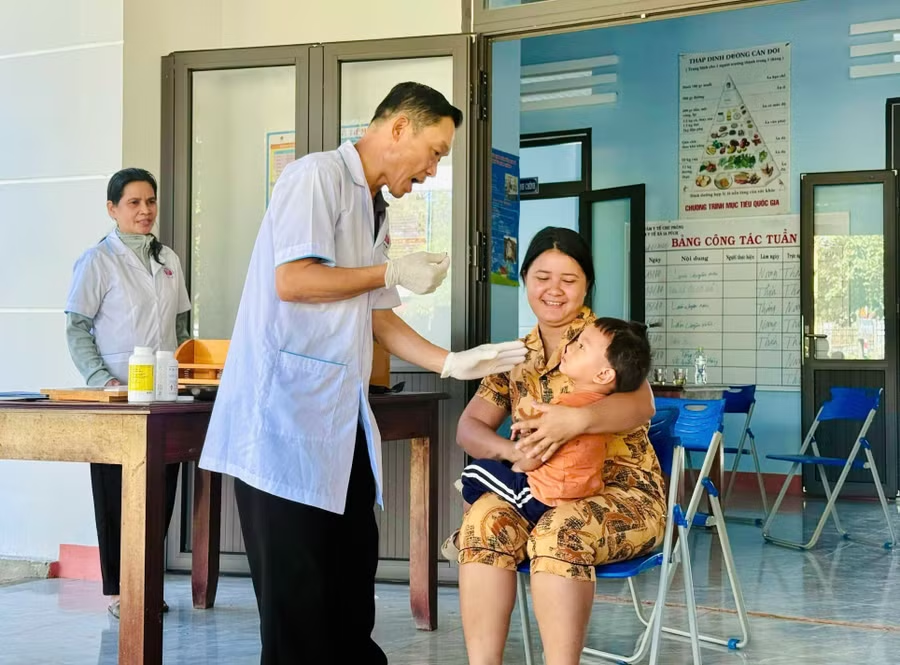
Dr. Dương Văn Trực, deputy head of the Ia Púch Commune Health Station, said resources from multiple programmes have enabled regular growth monitoring, nutritional counselling, behaviour change communication and improved facilities and equipment. These measures have raised the quality of primary healthcare and helped address child malnutrition, particularly among ethnic minority households.
Similar results have been recorded elsewhere. In Chư Prông commune, the stunting rate among children has fallen to 11.4%, with 98% of children receiving vitamin A supplements and 99% of primary school students dewormed. A total of 1,554 elderly residents have received at least one annual health check-up.
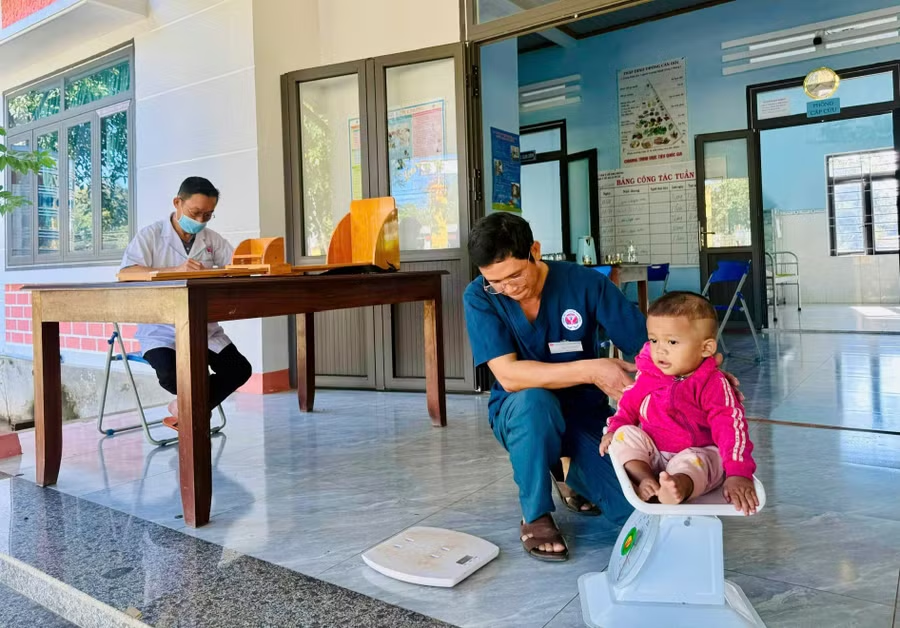
According to Dr. Huỳnh Thị Kim Trang, deputy director of the Chư Prông District Health Center, Project 7 is being implemented alongside targeted efforts to prevent child malnutrition in ethnic minority areas. Key priorities include nutritional counselling during the first 1,000 days of life, promotion of breastfeeding, appropriate complementary feeding, and communication on reproductive health and the prevention of early marriage.
A distinctive feature of Project 7 is its integration into annual socio-economic development plans at the local level. In Vĩnh Thịnh commune, healthcare programmes are treated as a core responsibility of local authorities. The rate of underweight children under five has dropped to 7.52%, while stunting stands at 8.63%, meeting or exceeding official targets.
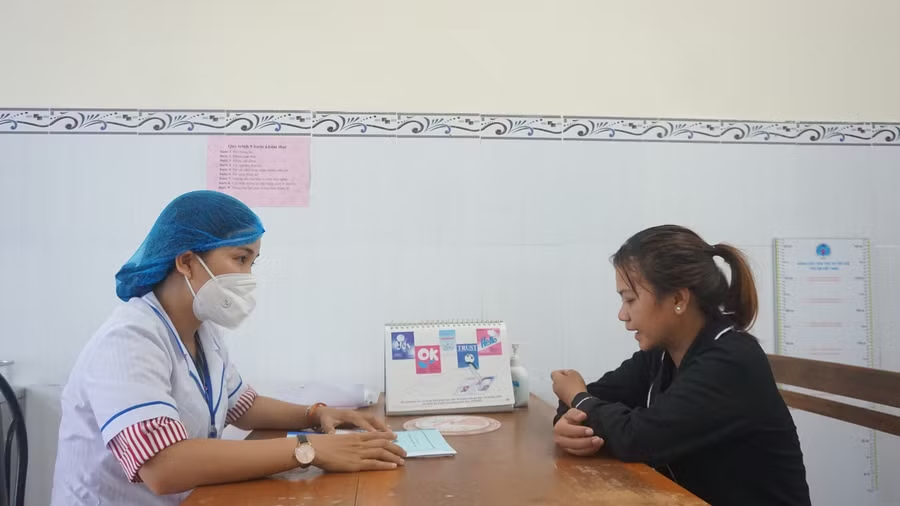
Dr. Nguyễn Ngọc Hải, head of the Vĩnh Thịnh Commune Health Station, said proactive planning has strengthened immunisation coverage, disease prevention and the role of village health workers in monitoring community health.
In hamlet M2 of Vĩnh Thịnh commune, where ethnic minorities make up the majority, village health workers conduct door-to-door outreach to monitor the health of mothers, children and the elderly. “Thanks to close contact and regular outreach, people have become more trusting and proactive in working with health staff,” said health worker Hà Văn Hoài.
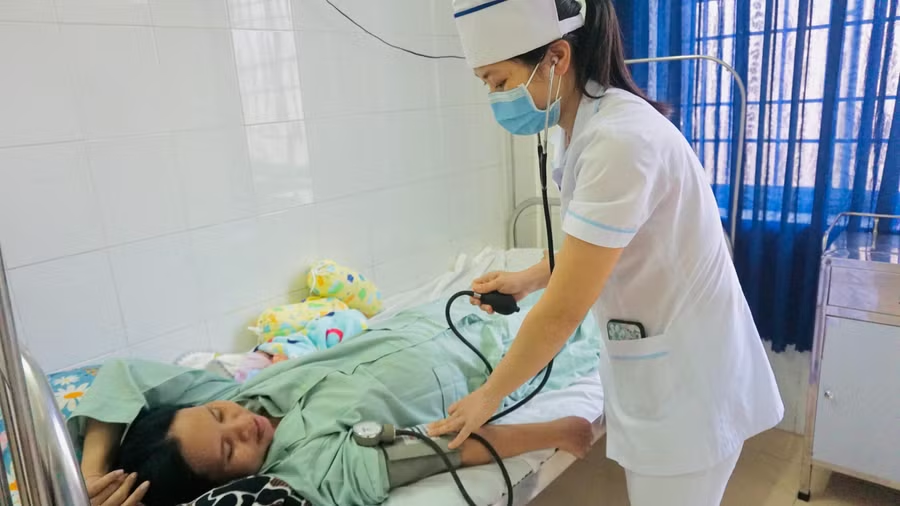
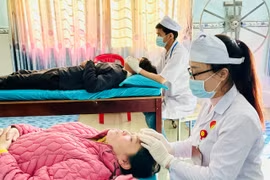
At the Vĩnh Thạnh District Health Center, which serves the former Vĩnh Thạnh district area, prenatal and neonatal screening has been maintained since 2019. Nearly 350 cases have been screened since then, with participation rising during the implementation of Project 7 due to intensified communication and outreach.
Nguyễn Thị Thúy Hằng, head of the Population Department at the center, said funding from Project 7 and other programmes has helped support screening participants and raise awareness in ethnic minority communities. She said the efforts have contributed to reducing congenital defects and improving population quality in the area.