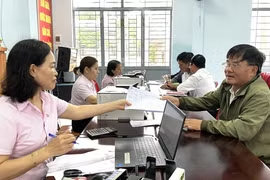
According to the provincial Center for Disease Control, home births have nearly disappeared in the eastern part of the province but remain common in remote western areas, particularly in ethnic minority communities.
Officials note that the practice is driven by economic hardship, misconceptions, and limited access to healthcare. However, it carries serious risks, including obstetric complications that can lead to maternal or neonatal death due to delayed emergency intervention.
Despite the risks, many women continue to give birth at home due to trust in traditional birth attendants or reluctance to visit medical facilities. Costs related to travel, living expenses, and healthcare services remain barriers for many families.
In response, the health sector has strengthened communication efforts to provide ethnic minority women with basic knowledge on pregnancy, safe motherhood, and maternal nutrition.
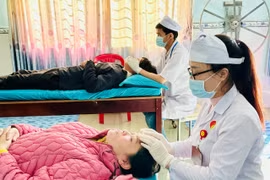
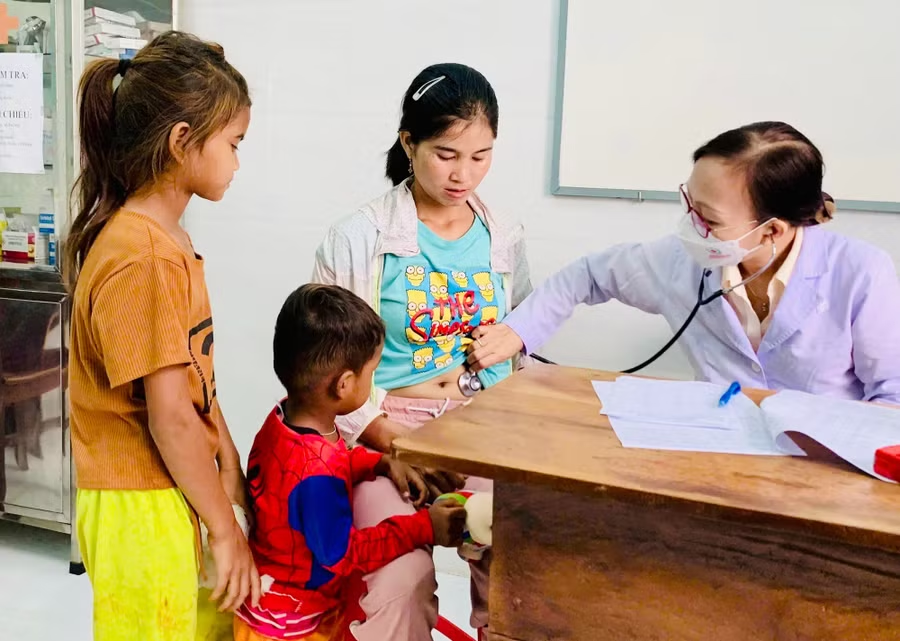
Healthcare providers have also worked to expand prenatal, perinatal, and postnatal services in remote areas, improving access for women in need.
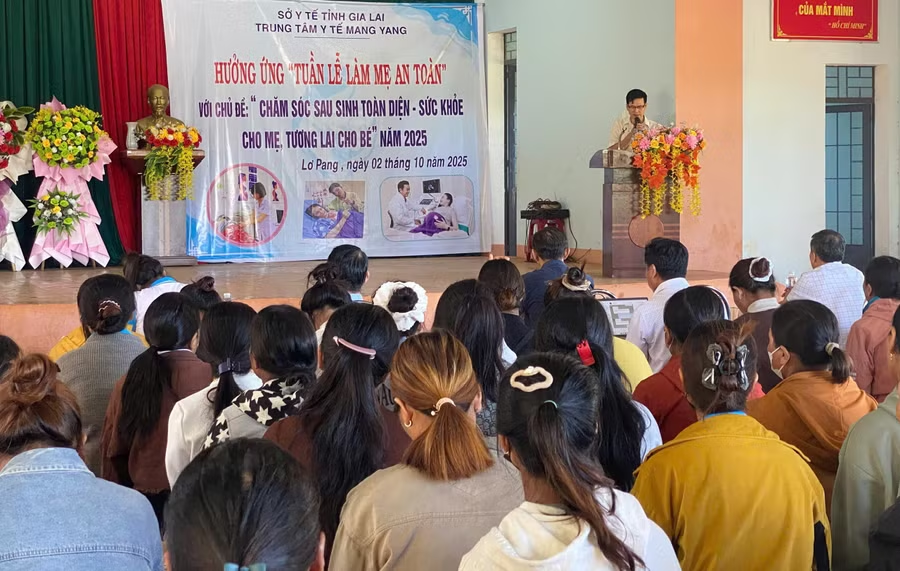
In October 2025, the Đak Pơ District Health Center and the Ya Hội Commune People’s Committee held activities in support of Safe Motherhood Week 2025 to promote behavioral change in maternal and child healthcare.
Acting District Health Center Director Trương Thị Anh Hòa said that guiding and promoting safe motherhood is a core priority to protect mothers and newborns, reduce complications, and support healthier future generations.
Local initiatives have already resulted in changes. A resident of Hlim village said she abandoned plans for a home birth after receiving advice from healthcare workers, opting instead for delivery at a medical facility and regular prenatal check-ups.
However, economic challenges continue to limit women’s access to postnatal care. Ya Hội Commune Vice Chairman Lê Văn Châu said that many residents are farmers who lack resources and knowledge about newborn and maternal care.
Local authorities have instructed the Commune Health Station and social organizations to boost household-level outreach, counseling, and support for women after childbirth.
Officials are also enhancing the roles of village midwives and community health workers, who serve as crucial links between the healthcare system and rural families.
These combined efforts have contributed to improved maternal and newborn healthcare quality, reduced complications, and falling mortality rates, while residents are increasingly attentive to nutrition and postnatal care.