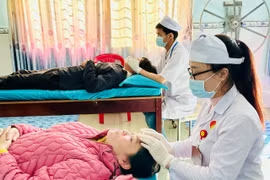
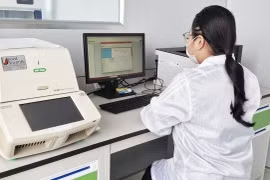
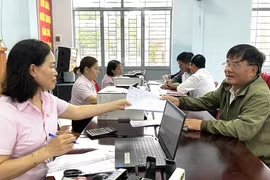
According to official statistics, Gia Lai has over 451,000 elderly residents, accounting for 13.89% of its population. More than 222,000 seniors, or 49.21%, have received regular health check-ups through local healthcare networks.
“The aging population is increasing rapidly nationwide, and Gia Lai is no exception,” said Trần Thị Lệ Kiều, Director of the Provincial Population Department. “This poses major challenges for the healthcare system, especially at the grassroots level”.
Long-term healthcare targets
Under the strategy’s 2025–2030 phase, the province aims for 100% of elderly residents to hold health insurance cards and 90% to receive periodic health check-ups with personal health records established.
By 2035, all communes and wards are expected to maintain dedicated elderly care funds, and all provincial hospitals will have geriatric departments. The 2045 goal envisions a modern, synchronized, and sustainable elderly care system, ensuring social security amid population aging.
The plan also calls for private sector investment in nursing homes, rehabilitation facilities, and care centers to expand long-term care capacity.
Strengthening local healthcare
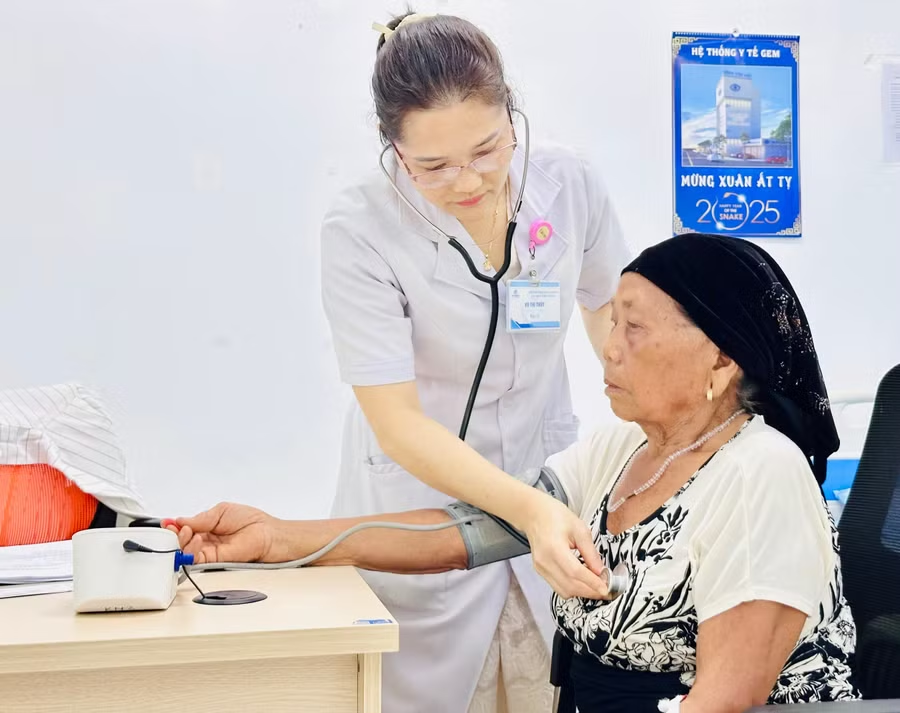
The Provincial Population Department has launched training programs to enhance the capacity of healthcare and population officers as part of Project 7 of the National Target Program for Socio-Economic Development in Ethnic Minority and Mountainous Regions. These initiatives focus on disease screening, health counseling, and management of non-communicable diseases such as hypertension and diabetes.
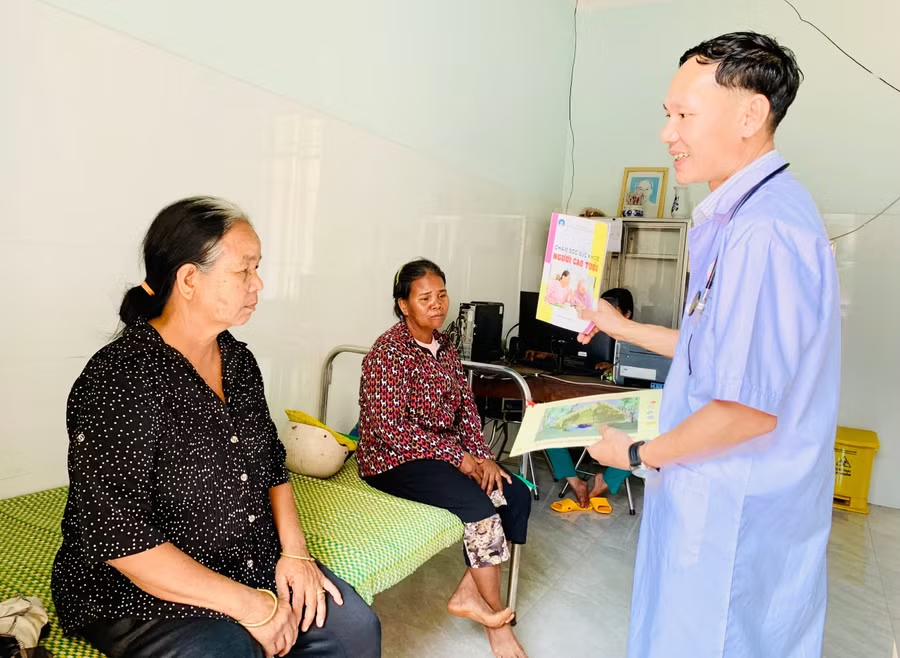
Commune-level population officers have played a key role in disseminating health information, while local Elderly Associations organize regular community clubs that include health education sessions. Families and communities are increasingly prioritizing senior care, contributing to improved living standards and wellbeing among the elderly.
Community voices
“I am 77 years old and a war veteran. Over the years, local authorities have provided great care and support for the elderly, especially in health services,” said Rmah Thanh from Gào Commune. “These efforts help us live happier and healthier lives.”
At the Bàu Cạn Commune Health Station, Deputy Head Mai Hồng Thái said 40% of residents are ethnic minorities. The station conducts biannual check-ups and village visits for elderly patients, ensuring full access to healthcare.
“All residents aged 75 and above now have health insurance cards,” Thái said. “The elderly are very conscious of their health and visit the station whenever needed.”
Gia Lai’s strengthened grassroots healthcare network, with well-equipped commune health stations and trained medical staff, continues to improve both accessibility and quality of care for the province’s aging population.