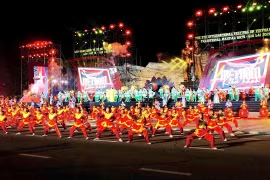
(GLO) – The sounds of gongs and the Xoang dance filled the coastal city of Quy Nhon Ward from August 29 to September 1 as the Pleiku Roh gong ensemble performed at the 2025 festival “Essence of the great Highlands - Convergence of the blue sea.”
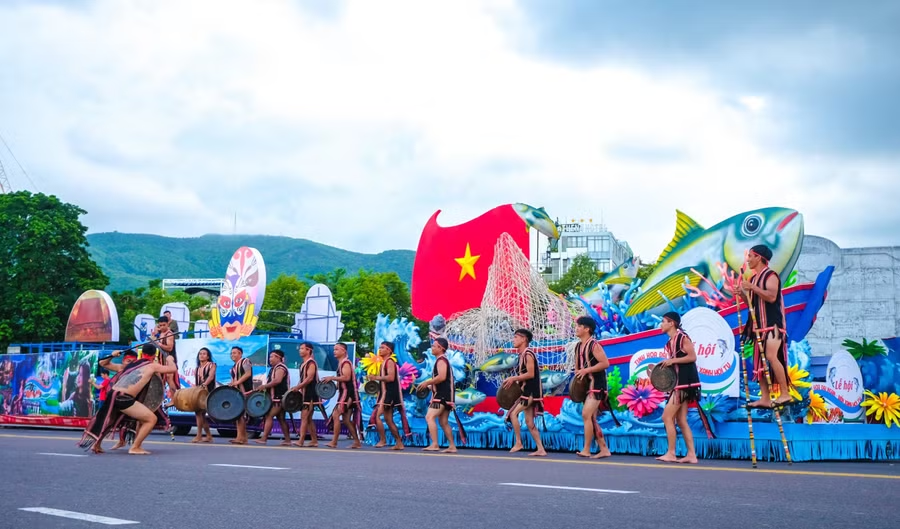
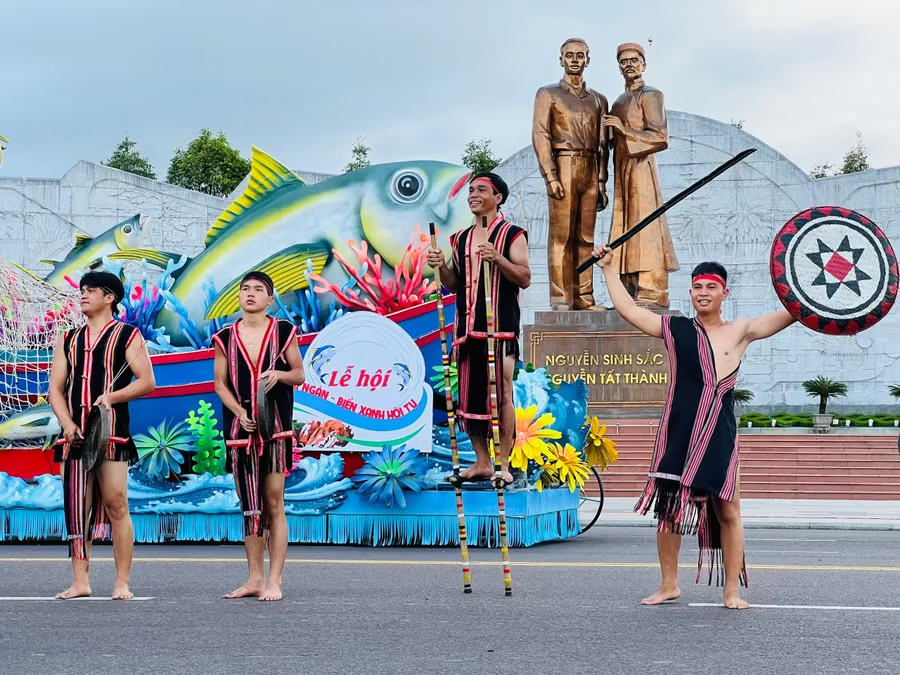
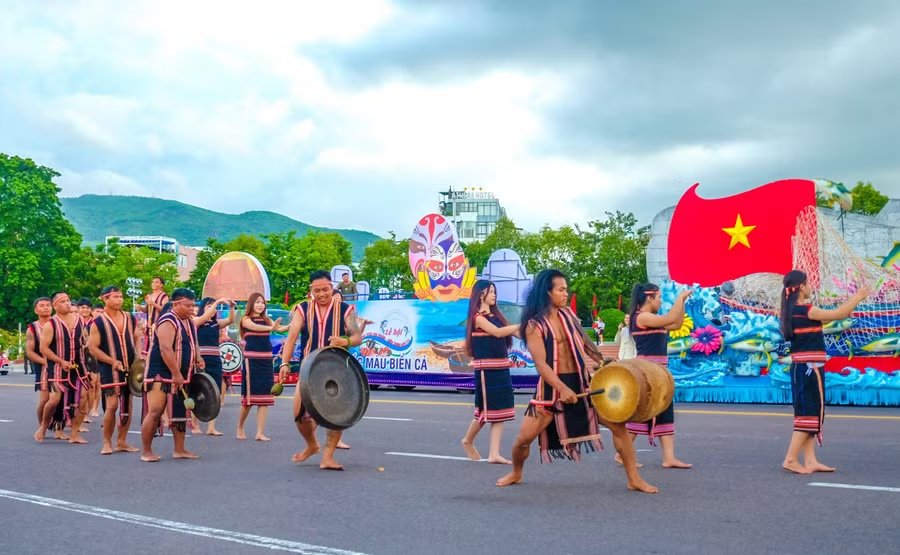
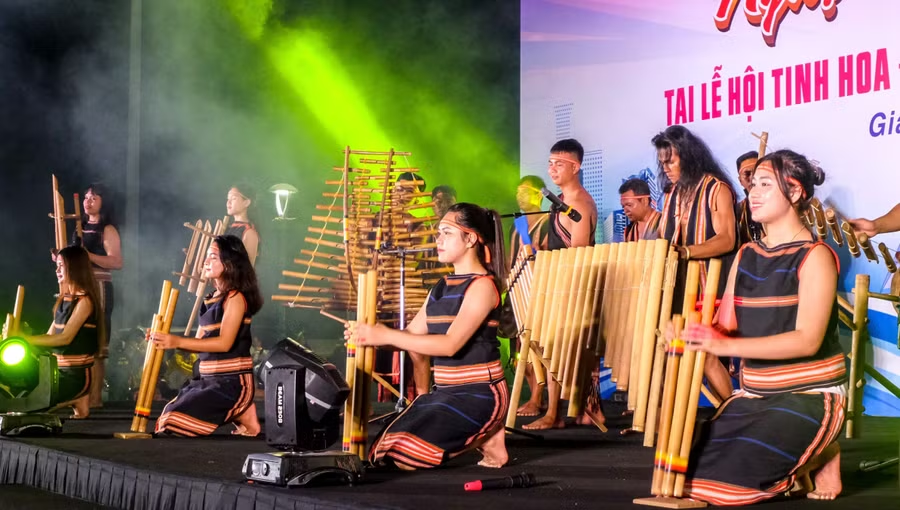
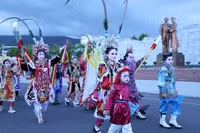
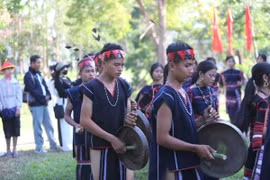
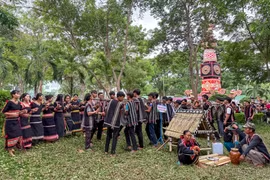
The gong ensemble from Pleiku Roh village (Dien Hong Ward) performs at the “Colors of the Sea” street festival.
The 30-member group, representing Dien Hong Ward in Gia Lai Province, prepared meticulously for the event. Instruments including drums, gongs, t’rung, klong put and goong, along with traditional costumes and masks, were readied for stage appearances.
The ensemble rehearsed classic repertoires such as: Celebrating victory and joy of the grand festival to ensure a strong impression on audiences.
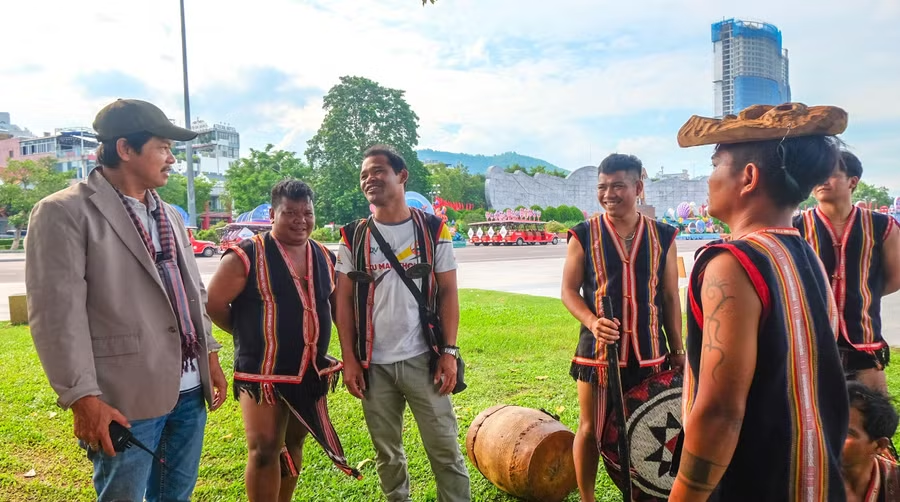
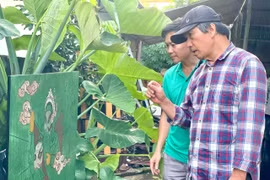
Meritorious Artist and Dr. Hoàng Duẩn (far left, Deputy Head of the Faculty of Cultural and Artistic Management, Ho Chi Minh City University of Culture), General Director of the “Essence of the Great Forests – Blue Seas Converge” festival, discusses performance details with members of the gong ensemble.
During the four-day festival, gong performances combined with the energetic Xoang dance captivated crowds at key events including the Coffee and Gong cultural festival, the “Colors of the sea” street parade and traditional art evenings.
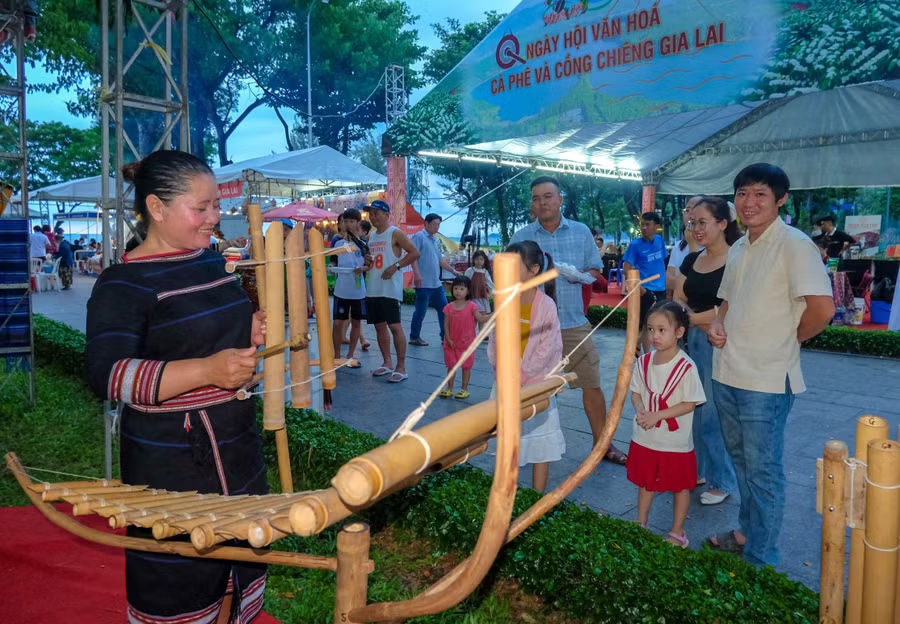
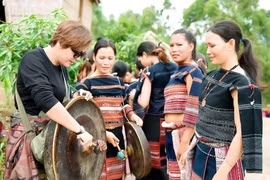
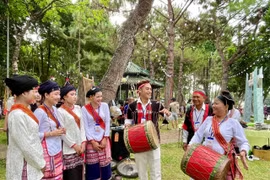
Beyond stage performances, locals and tourists joined the ensemble in trying out gongs and other traditional instruments, guided by artisans. The interactive sessions added to the appeal of the performances and highlighted the cultural heritage of the Jrai ethnic community in the western part of the province.
The ensemble’s enthusiasm created lasting memories for audiences, strengthening the festival’s success and promoting the cultural identity of the Central Highlands.
Below are several images of the gong ensemble during the festival:
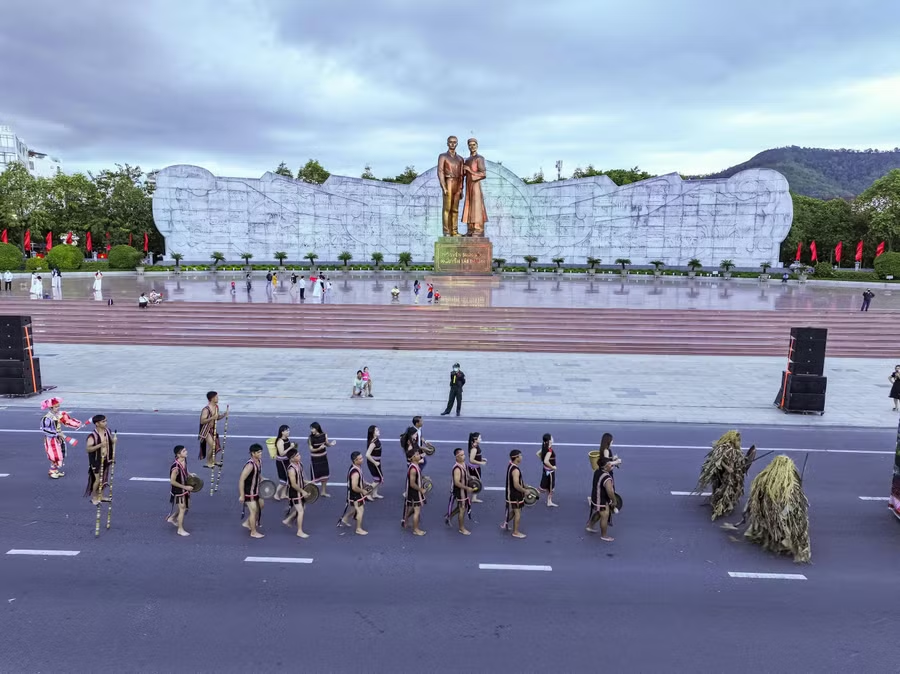
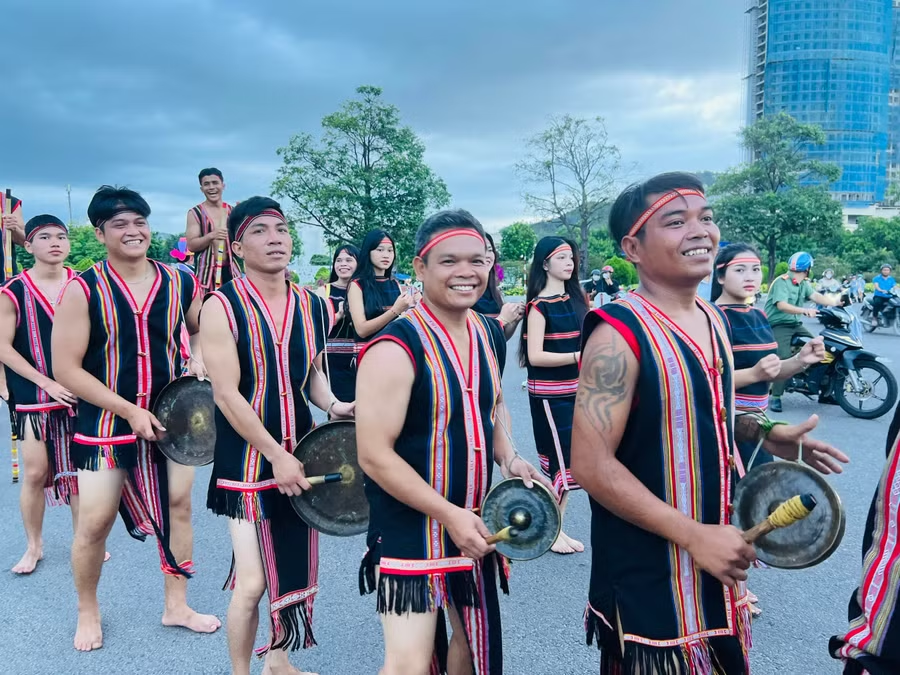
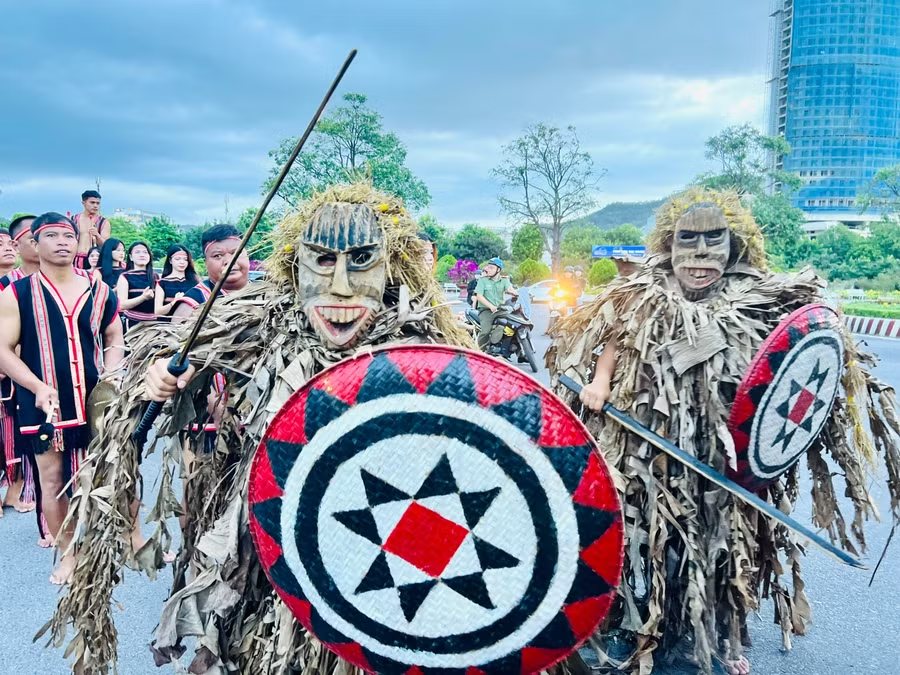
The Pleiku Roh village gong ensemble performing at the “Colors of the sea” street festival. Photo: Dũng NhânMembers of the Pleiku Roh gong ensemble join the parade, performing for festival-goers.The joy of Jrai young men as they perform at the “Colors of the sea” street festival.A striking performance by the Pleiku Roh gong ensemble at Nguyen Tat Thanh Square (Quy Nhon Ward).Jrai young men from Pleiku Roh village enthusiastically perform gong music for the public.
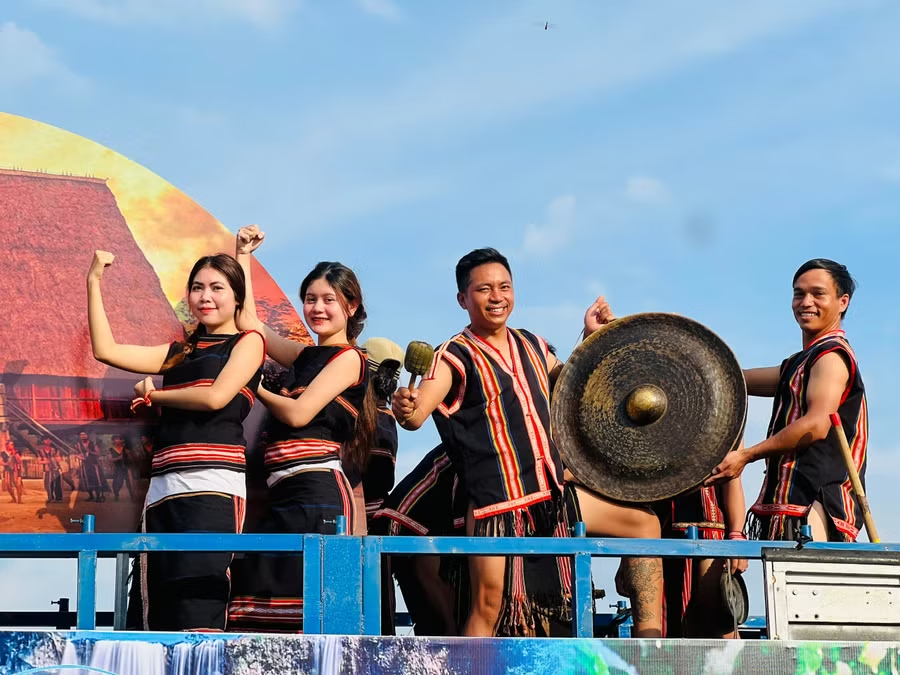
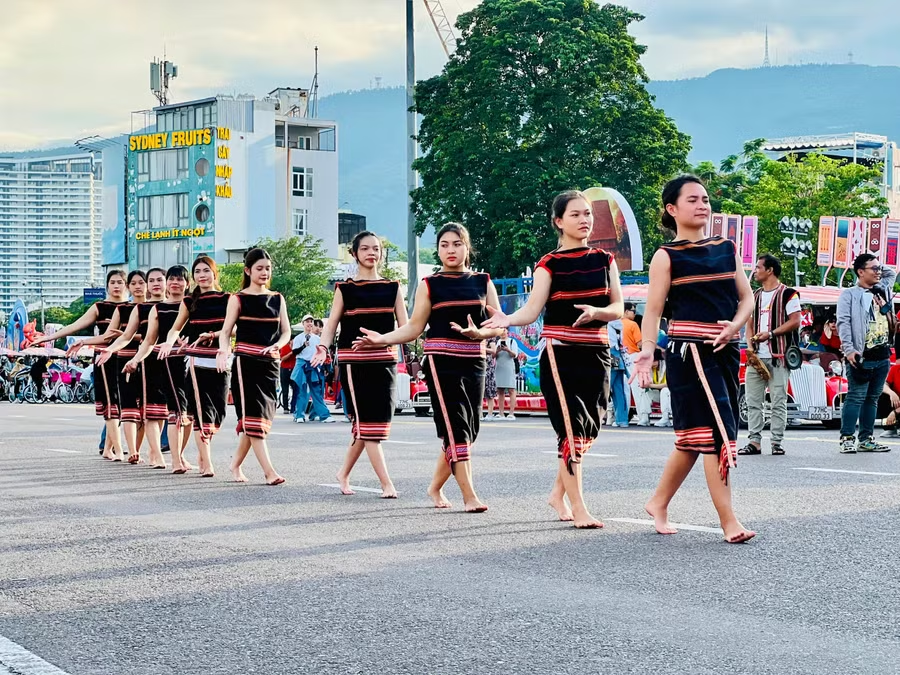
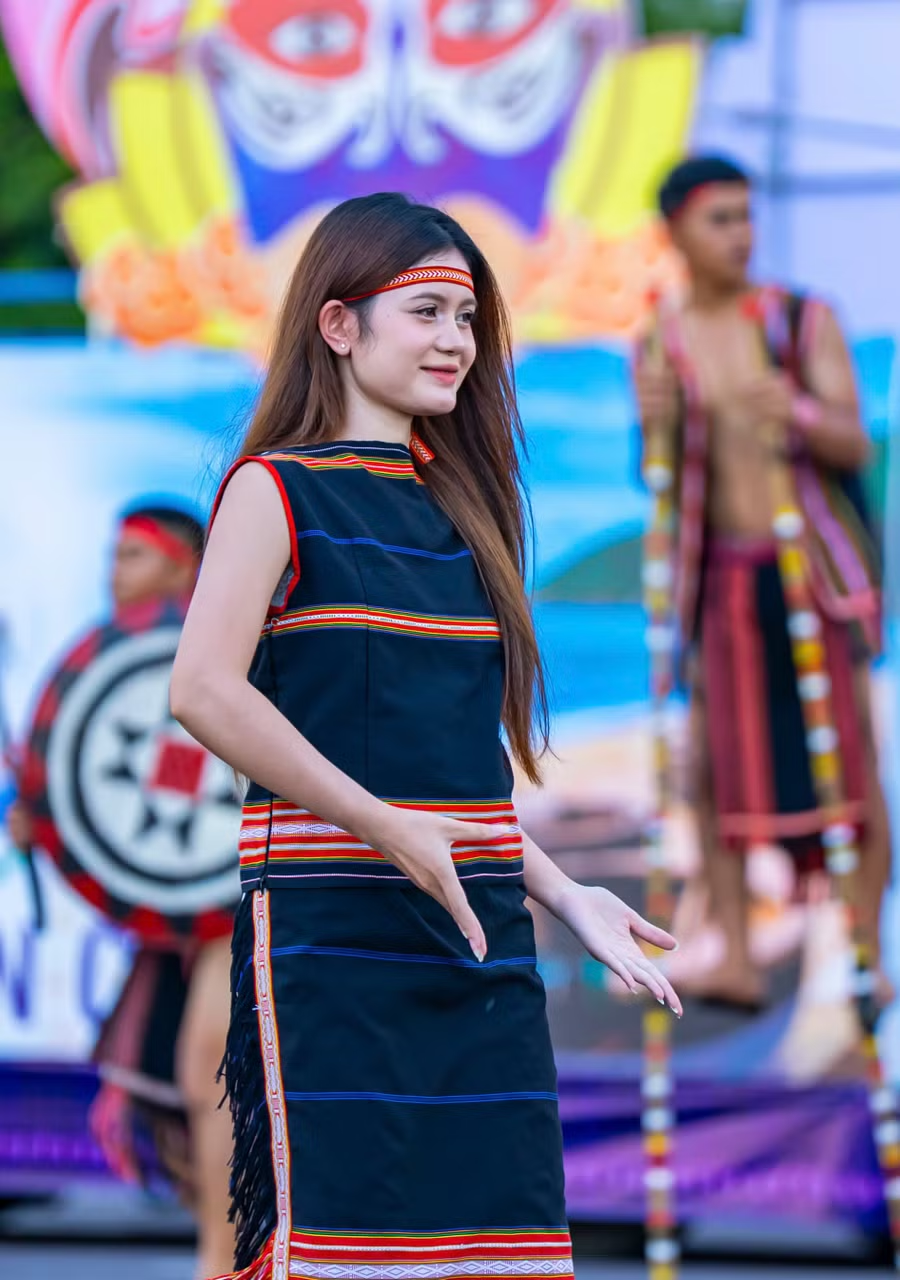
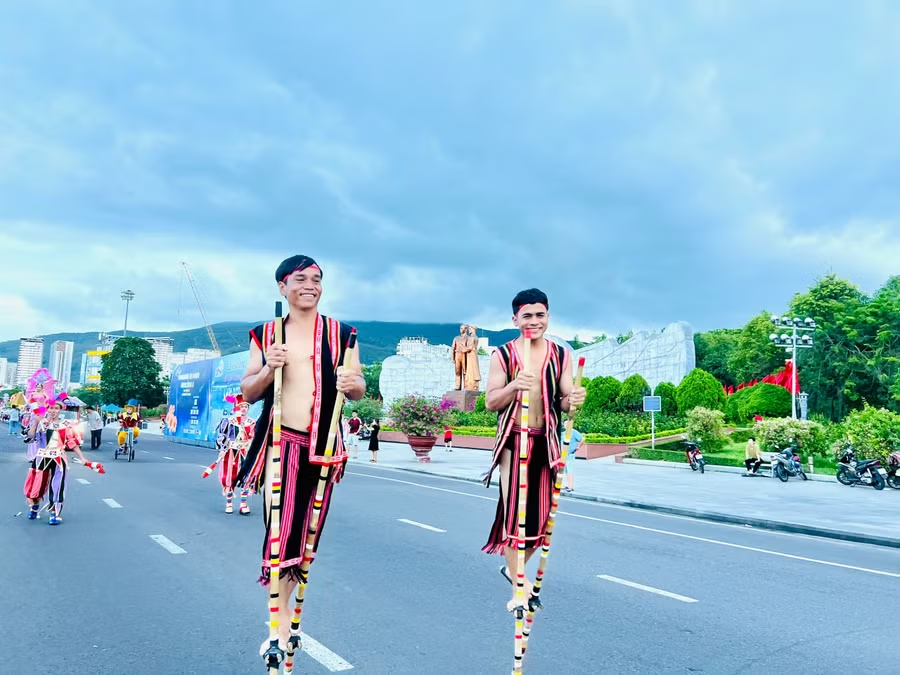
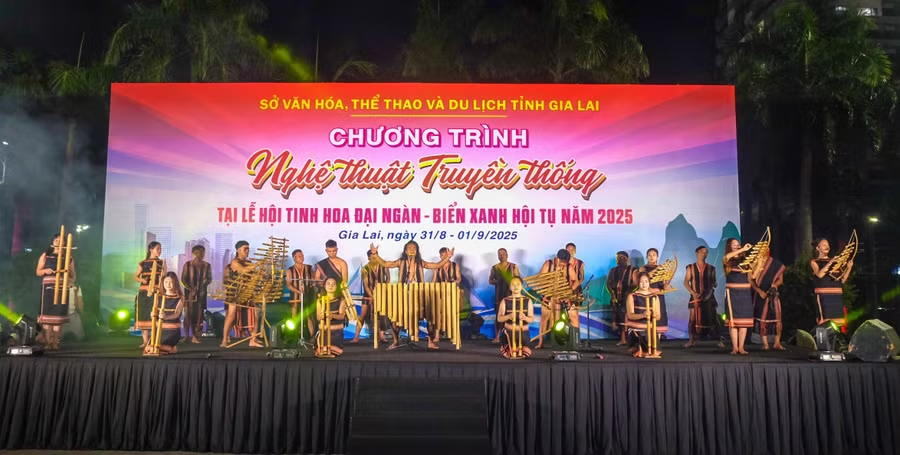
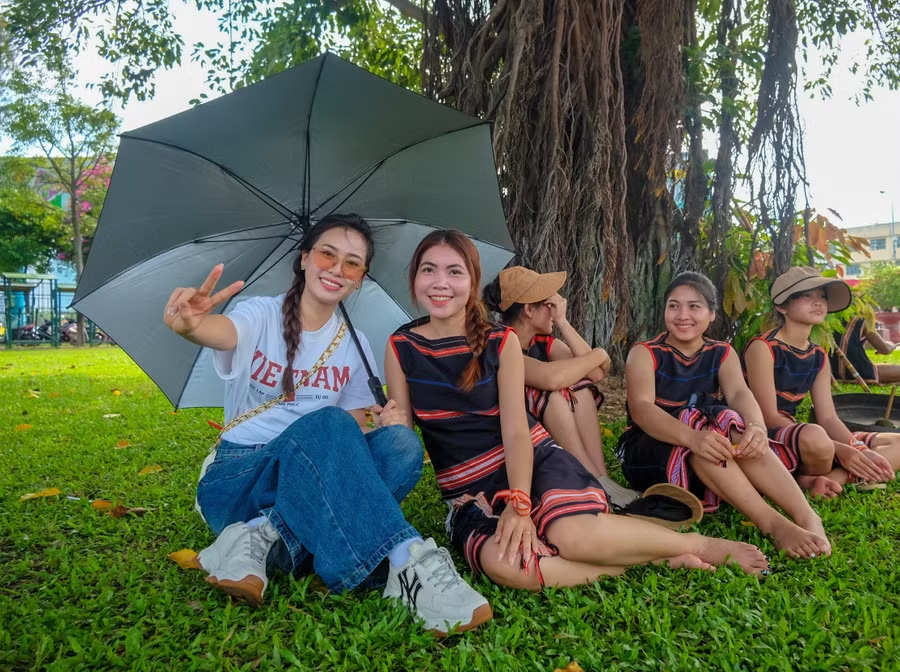
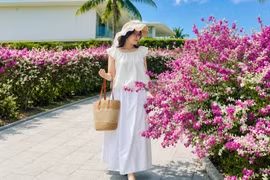
Dressed in traditional attire, Jrai women perform the graceful xoang dance. The beauty of a young Jrai woman, a member of the Pleiku Roh gong ensemble. Photo: Dũng NhânBram dancers add a highlight to the Pleiku Roh gong ensemble’s performance.Jrai young men showcase their stilt-walking skills.The Pleiku Roh gong ensemble performs at a traditional art program organized by the Gia Lai Department of Culture, Sports and Tourism.The ensemble’s traditional instrumental performance at the cultural arts program.Miss Tourism Ambassador Vietnam 2024 and festival media ambassador Đinh Thị Hoa (left) chats with members of the gong ensemble.
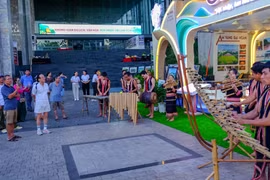
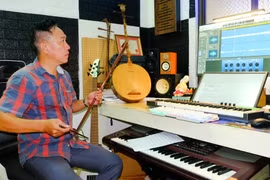
Traditional musical instruments of the Jrai people attract visitors.
Traditional theater in Gia Lai is turning to history not simply to recount heroic figures and events, but to connect a younger generation with the past through the distinctive language of hát bội and bài chòi opera.
Lê Kiều Oanh was crowned Miss Vietnam Entrepreneur Talent and Beauty 2026 on September 10, as the seventh edition of the pageant concluded at the Gia Lai Provincial Convention Center.
Vinh An Village in Bình Phú Commune, Gia Lai Province, will host the “Weekend Gong Night - Enjoy and experience” program on September 11, offering locals and visitors an opportunity to experience the cultural heritage of the Bahnar people.
An exhibition in Quy Nhon has brought together cultural traditions, heritage and tourism products from 16 provinces and cities, offering visitors a glimpse into Vietnam’s diverse cultural identity.
An art program in Gia Lai on September 7 brought together traditional performances representing different regions of Vietnam, highlighting the country’s cultural diversity and promoting the image of its people and tourism.
Three Bryde’s whales spotted hunting off Vũng Bồi in Gia Lai have highlighted the ecological richness of the Đề Gi estuary while underscoring the fishing communities’ longstanding culture of respecting and protecting the sea.
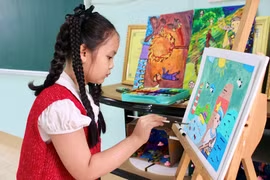
Dương Kim Thiên An, a second-grade student at Nguyen Van Troi Primary School in Gia Lai Province, has won four national art awards in 2026, marking a promising start to her journey in painting.
Traditional culture is being brought closer to children in Gia Lai through hands-on activities that allow them to experience gong music, xoang dances and hát bội art rather than simply learn about them through lessons.
Bitterness is the defining taste of traditional Jrai cuisine in Phu Tuc, where forest leaves, bitter vegetables and distinctive cooking methods have shaped dishes closely tied to the community’s way of life.
Two young pianists from Gia Lai won gold medals at the finals of the 2026 National Piano Festival, held in Buon Ma Thuot Ward, Dak Lak Province, from August 4 to 9.
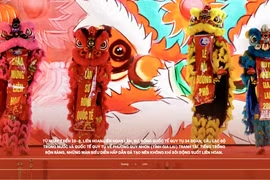
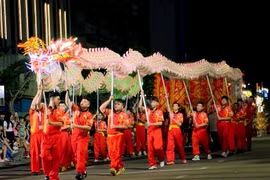
Thirty-four troupes and clubs from Vietnam and abroad gathered in Quy Nhon Ward, from August 7-10 for the International Lion, Unicorn and Dragon Dance Festival, delivering four days of energetic performances and closely contested events.
Gia Lai is moving to implement new policies that put ethnic minority communities and cultural bearers at the center of efforts to safeguard traditional heritage, with a stronger focus on passing cultural practices to younger generations.
Two contestants representing Gia Lai have secured places in the national semi-finals of the Miss Vietnam 2026 pageant, drawing attention not only for their appearance but also for their academic achievements, leadership experience and commitment to community engagement.
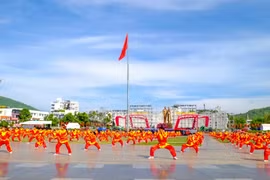
Hundreds of martial artists gathered at Nguyen Tat Thanh Square in Quy Nhon Ward on Sunday to perform synchronized demonstrations of Vietnamese traditional martial arts as part of the 9th International Vietnamese Traditional Martial Arts Festival - Gia Lai 2026.
(GLO) – Foreign Trade University beauty queen Le Phuong Nghi (an alumna of Hung Vuong High School for the Gifted, Gia Lai province) has officially advanced to the preliminary round of the Miss Vietnam 2026 pageant.
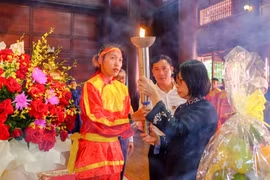
The 9th International Vietnamese Traditional Martial Arts Festival officially began on Sunday with an incense offering ceremony and a sacred flame procession, bringing together martial arts delegations from across the country and overseas for the opening of the 4-day cultural and sporting event.
The 9th International Vietnamese Traditional Martial Arts Festival officially opened on Sunday at Nguyen Tat Thanh Square in Quy Nhon Ward, bringing together martial arts masters, practitioners from Vietnam and abroad in a celebration of traditional martial arts and its international presence.
Musician Trần Kim Vân has been awarded a Certificate of Merit for his outstanding contributions at the 2026 National Three-Region Folk Singing and Instrumental Festival.
Phu Tuc Commune in Gia Lai Province will host its first Ethnic Minority Cultural and Sports Festival alongside an Agricultural Market introducing local OCOP products on August 8, marking the first anniversary of the commune's establishment.
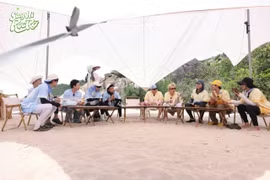
The seventh episode of Say Hi Rực Rỡ will see contestants compete in a series of team-based challenges that test strategy, coordination and endurance, while continuing to blend competition with light-hearted entertainment.
Large crowds of residents and tourists gathered in South Quy Nhon Ward, Gia Lai Province, on the evening of July 10 for the “South Quy Nhon - Call of the Sea” street carnival, a cultural and tourism event showcasing the coastal area’s traditions and ambitions for marine tourism development.
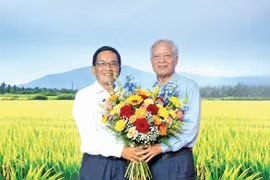
In early July 2026, the Vietnam Rice Industry Association (VIETRISA) presented awards in Ho Chi Minh City for the “Vietnamese rice - Origins and future” creative writing contest.
After a demanding first day of challenges on Cù Lao Xanh island, the artists of the reality show “Say Hi Rực Rỡ” turned their attention to preparing dinner, creating a mix of humorous moments and relaxing experiences against the island’s coastal backdrop.