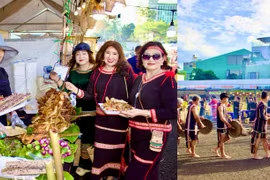
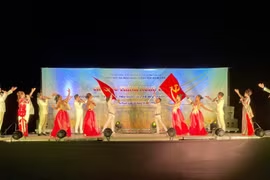
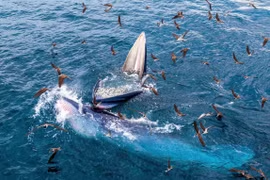
The event marks one of the region’s most distinctive coastal celebrations honoring Cá Ông, the Whale God, and expressing fishermen’s hopes for calm seas and abundant catches.
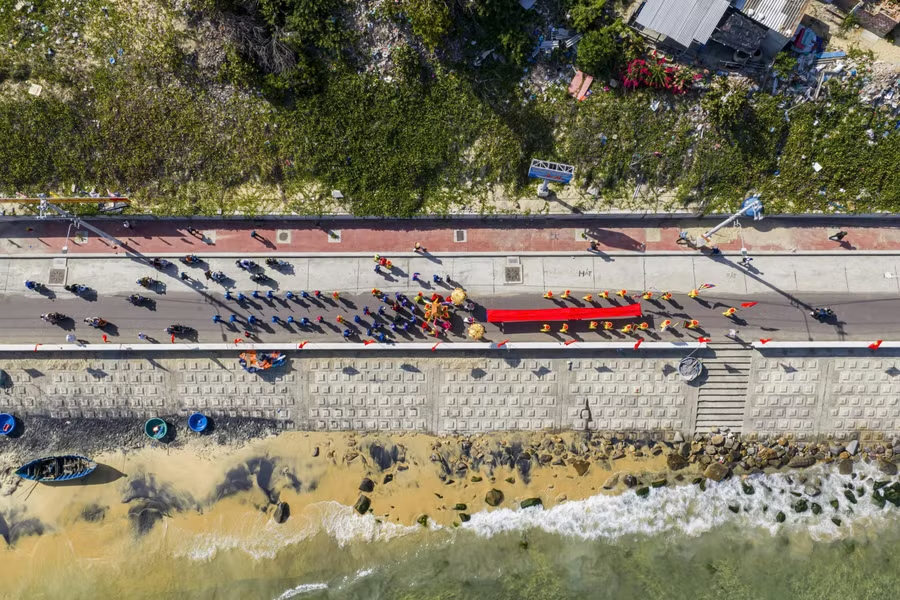
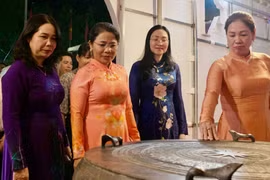
Vice Chairwoman of the Provincial People’s Committee Nguyễn Thị Thanh Lịch attended the ceremony, which featured a series of traditional rites reenacting centuries-old fishing customs and spiritual practices.
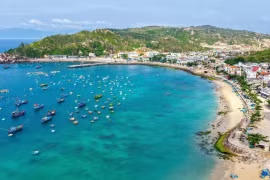
Running from February 18 to March 2 (the 2nd to 14th day of the lunar month), the festival spans 13 days across the Vạn Đầm Xương Lý area and surrounding community cultural spaces.
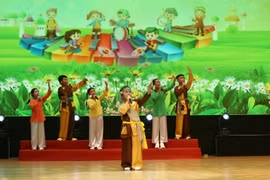
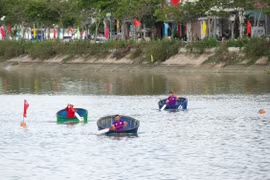
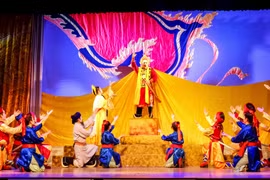
The main ceremonies on February 25-26 include the Water and Land Procession at Xương Lý beach, rituals at the Lăng Ông Nam Hải shrine, a deity worship ceremony, performances of the Hầu thần ritual by the Bả Trạo troupe, and the Khởi ca opening chant.
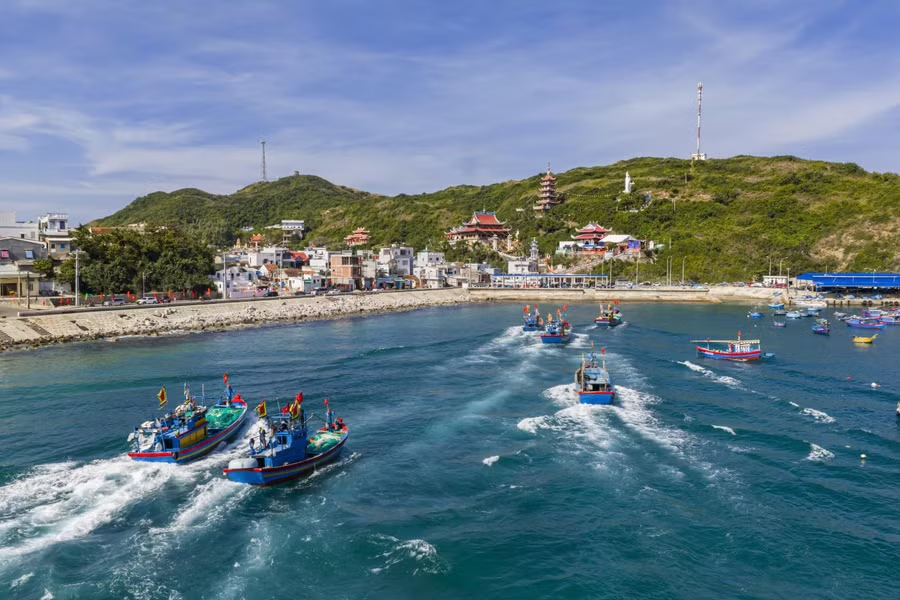
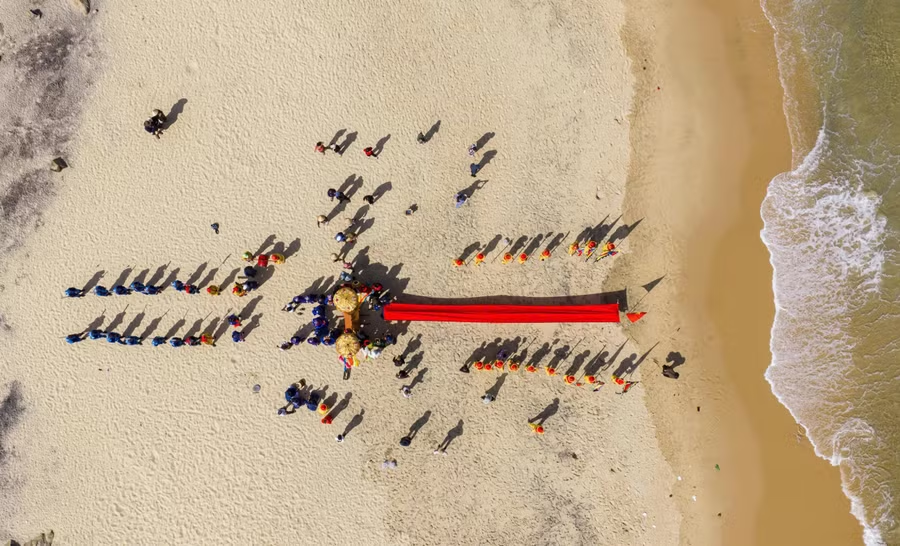
Local tradition traces the origins of the festival to 1815, when northern Vietnamese settlers founded Trường Lăng, the earliest Cá Ông mausoleum in the Quy Nhơn area, now located in Lý Chánh quarter.
In 1839, after Xương Lý village was established, residents rebuilt the Lăng Ông Nam Hải Xương Lý at a sacred site near the river mouth and mountain slope. Since then, the ritual of escorting the deity from Trường Lăng to the Xương Lý mausoleum has remained a central highlight.
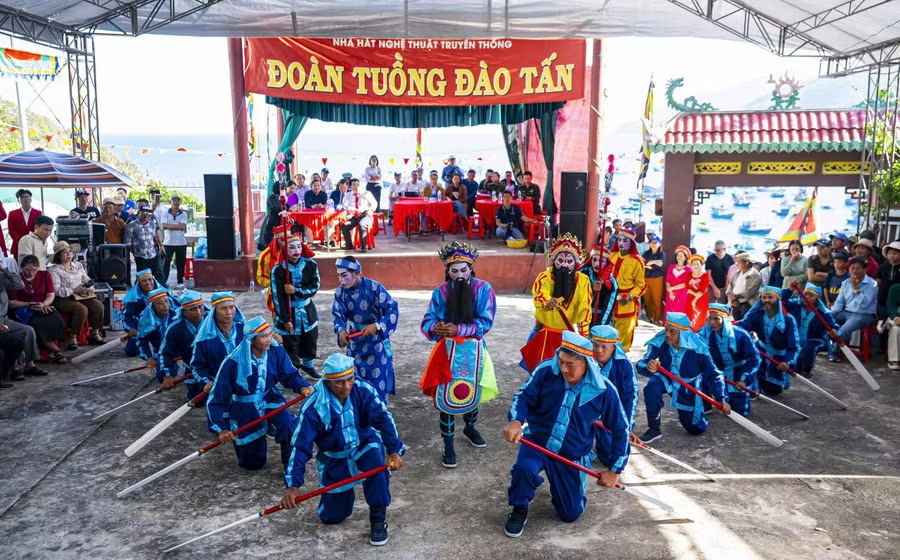
For nearly 200 years, the festival has functioned as a cultural anchor for Nhơn Lý’s fishing community, blending spiritual beliefs with depictions of traditional fishing life.
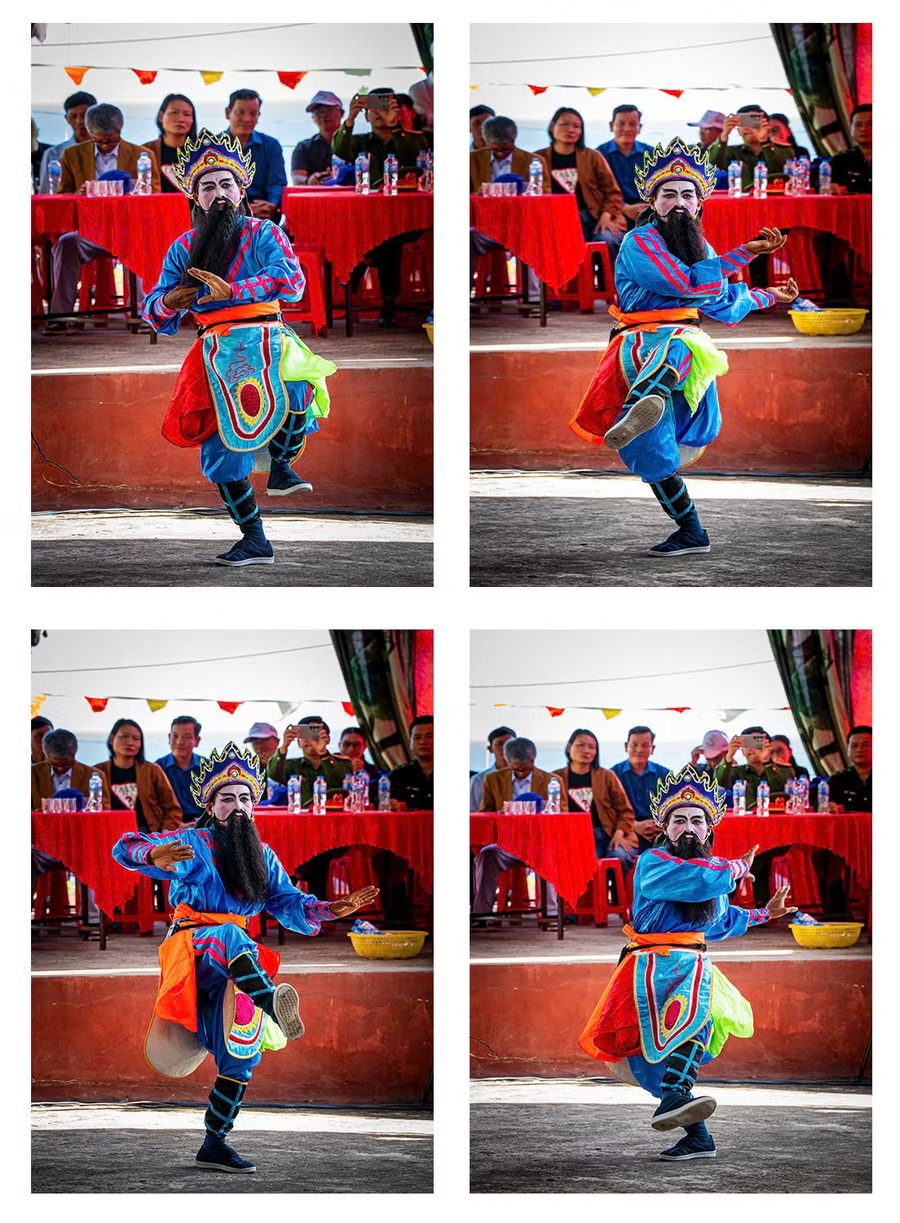
Its designation as a national intangible cultural heritage by the Ministry of Culture, Sports and Tourism in 2025 affirmed its cultural significance and enduring role in community identity.
Beyond its spiritual function, the festival offers a venue for fishermen to exchange experiences, strengthen ties with neighboring coastal communities, and momentarily set aside the hardships of sea life. The event also welcomes visitors, helping preserve traditional livelihoods while showcasing the cultural depth of Nhơn Lý’s maritime heritage.