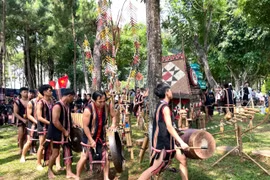
Under the plan released on February 24, the province will roll out programs ranging from research and training to festivals and exhibitions aimed at safeguarding traditional gong practices among ethnic communities.
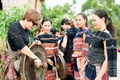
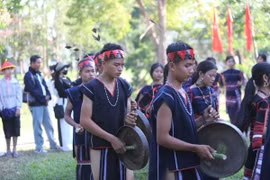
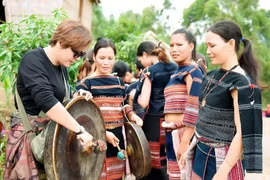
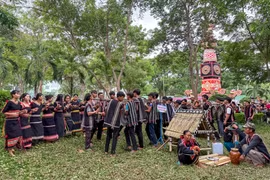
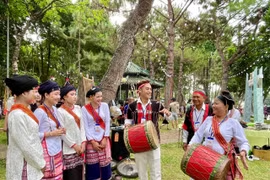
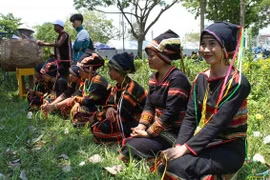
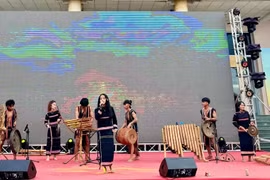
Authorities will conduct surveys and research on gongs and gong practitioners, restore rituals and festivals featuring gong performances of the Bahnar and H’rê groups, and organize classes to teach gong playing and tuning for Bahnar, Jrai, Chăm and H’rê communities.
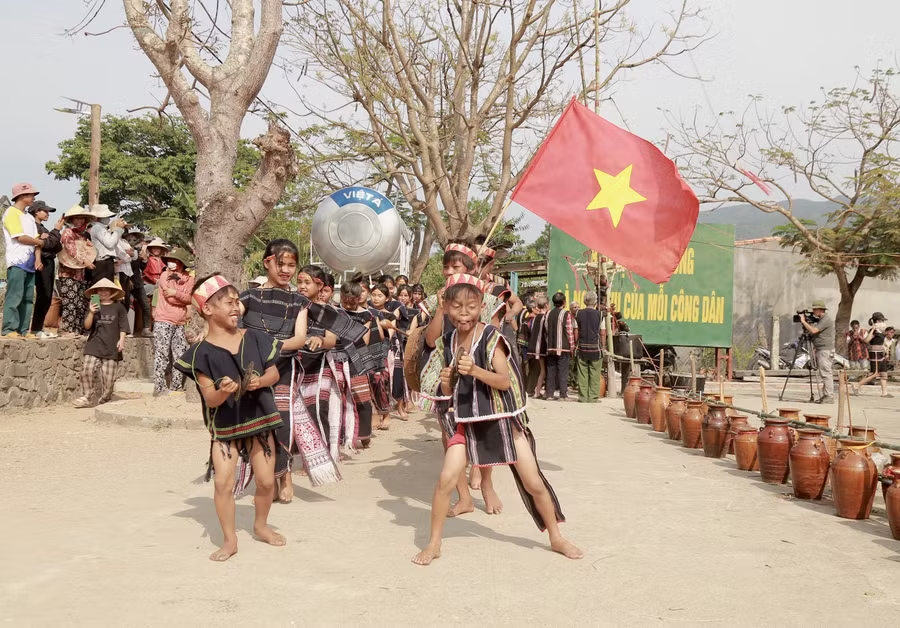
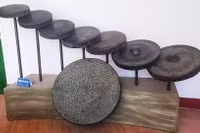
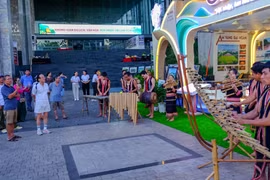
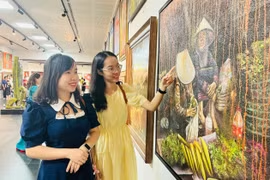
A new program titled “Weekend Gong Performances – Enjoy and Experience” will be launched on Saturday evenings. The province also plans to display the Gong Cultural Space at the provincial museum and host an exhibition dedicated to the heritage.
Major cultural events are scheduled throughout the year. The Gia Lai Provincial Ethnic Culture Festival is expected in April 2026, while an International Gong Festival is planned for the fourth quarter of the year.
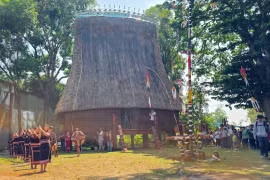
The plan also includes policy measures to help restore the Gong Cultural Space locally. Financial support will be provided to Bahnar, Jrai, Chăm and H’rê villages to build traditional communal houses (nhà rông), with priority given to community tourism sites. Funding will not exceed 1 billion VND (about USD 40,000) per project.
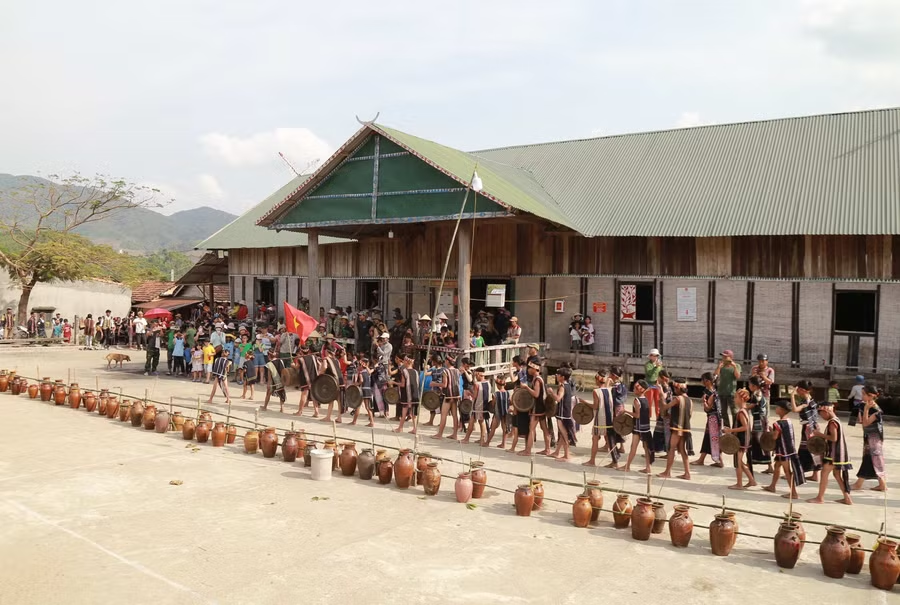
Based on surveys assessing the number of gongs and local demand for cultural items, the province will support the purchase of gongs, traditional costumes, jewelry, musical instruments and related equipment, prioritizing villages involved in community tourism. Authorities will also maintain gong exchanges and performances domestically and internationally and continue support policies for artisans in line with regulations.
To facilitate regular cultural activities, officials plan to survey, design and install a real-life performance stage in the province’s western region. The site will include a stage for gong performances along with models of communal and stilt houses, water wharves, ceremonial poles, fire pits and decorative scenes.